Schouest Blake, Grifoni Alba, Pham John, Mateus Jose, Sydney John, Brien James D, De Silva Aruna D, Balmaseda Angel, Harris Eva, Sette Alessandro, Weiskopf Daniela
Center for Infectious Disease and Vaccine Research, La Jolla Institute for Immunology, La Jolla, California, USA.
Saint Louis University, St. Louis, Missouri, USA.
J Virol. 2021 May 24;95(12). doi: 10.1128/JVI.00132-21.
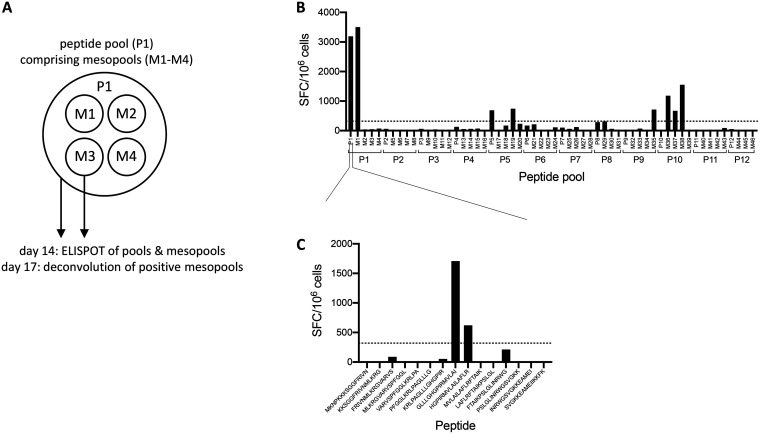
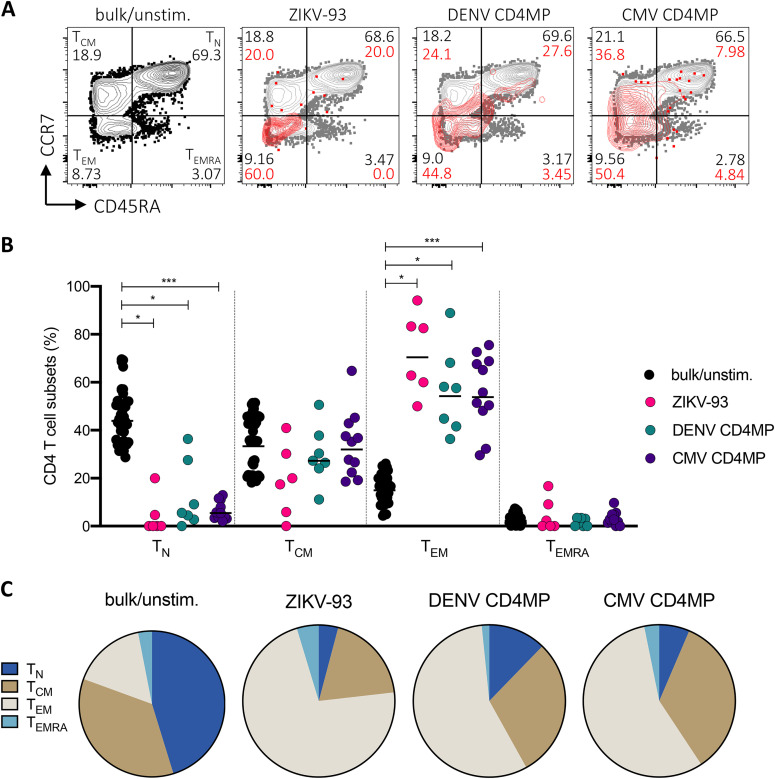
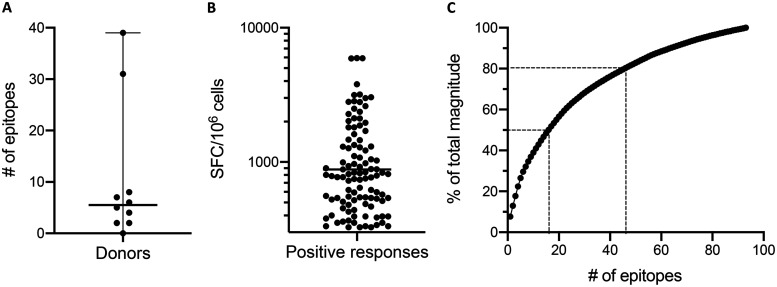
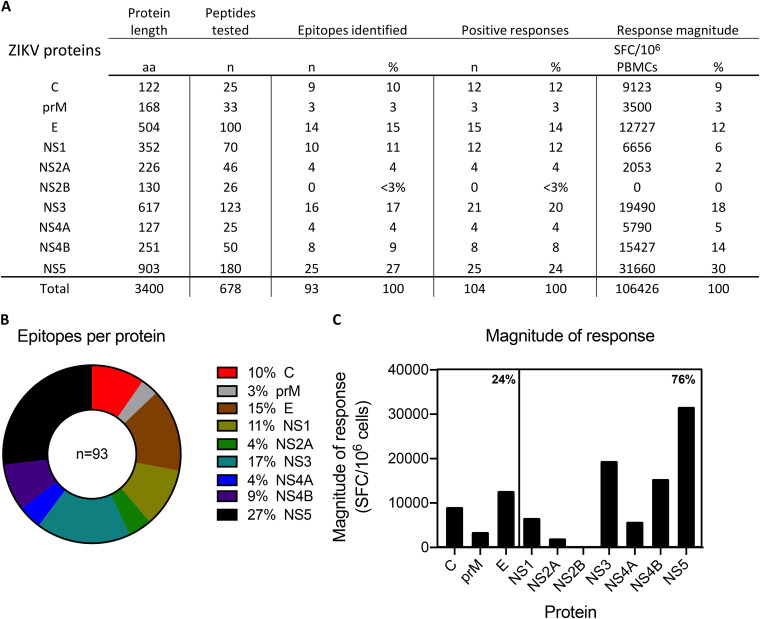
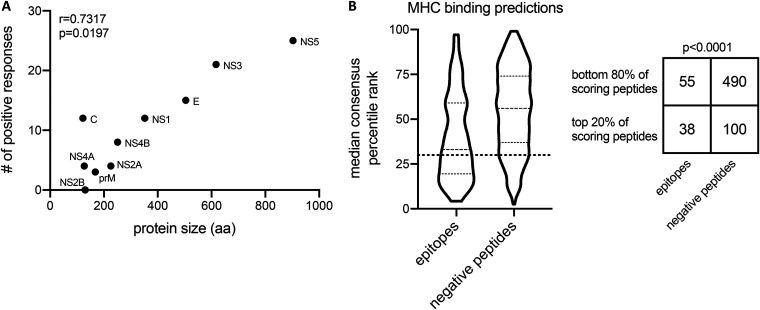
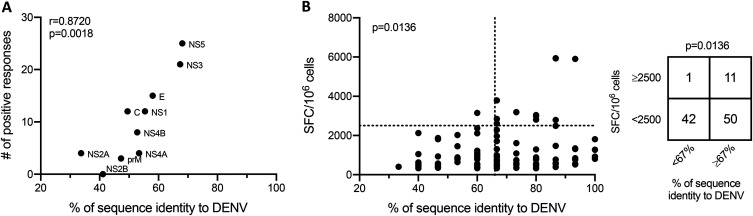
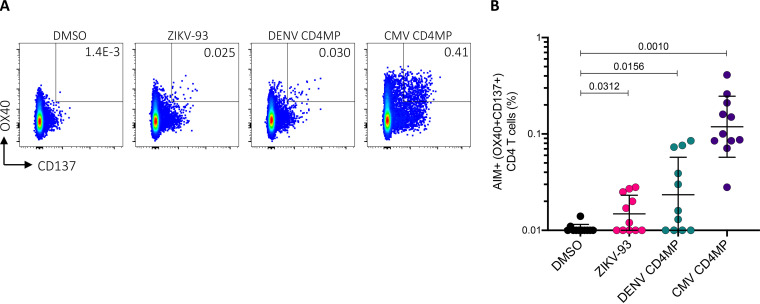
The mosquito-borne Zika virus (ZIKV) has spread rapidly into regions where dengue virus (DENV) is endemic, and flavivirus cross-reactive T cell responses have been observed repeatedly in animal models and in humans. Preexisting cellular immunity to DENV is thought to contribute to protection in subsequent ZIKV infection, but the epitope targets of cross-reactive T cell responses have not been comprehensively identified. Using human blood samples from the regions of Nicaragua and Sri Lanka where DENV is endemic that were collected before the global spread of ZIKV in 2016, we employed an expansion strategy to map ZIKV T cell epitopes in ZIKV-unexposed, DENV-seropositive donors. We identified 93 epitopes across the ZIKV proteome, and we observed patterns of immunodominance that were dependent on antigen size and sequence identity to DENV. We confirmed the immunogenicity of these epitopes through a computational HLA binding analysis, and we showed that cross-reactive T cells specifically recognize ZIKV peptides homologous to DENV sequences. We also found that these CD4 responses were derived from the memory T cell compartment. These data have implications for understanding the dynamics of flavivirus-specific T cell immunity in areas of endemicity. Multiple flaviviruses, including Zika virus (ZIKV) and the four serotypes of dengue virus (DENV), are prevalent in the same large tropical and equatorial areas, which are inhabited by hundreds of millions of people. The interplay of DENV and ZIKV infection is especially relevant, as these two viruses are endemic in largely overlapping regions, have significant sequence similarity, and share the same arthropod vector. Here, we define the targets of preexisting immunity to ZIKV in unexposed subjects in areas where dengue is endemic. We demonstrate that preexisting immunity to DENV could shape ZIKV-specific responses, and DENV-ZIKV cross-reactive T cell populations can be expanded by stimulation with ZIKV peptides. The issue of potential ZIKV and DENV cross-reactivity is of relevance for understanding patterns of natural immunity, as well as for the development of diagnostic tests and vaccines.
蚊媒传播的寨卡病毒(ZIKV)已迅速传播到登革病毒(DENV)流行的地区,并且在动物模型和人类中反复观察到黄病毒交叉反应性T细胞应答。先前存在的针对DENV的细胞免疫被认为有助于在随后的ZIKV感染中提供保护,但交叉反应性T细胞应答的表位靶点尚未得到全面鉴定。我们使用2016年寨卡病毒全球传播之前在尼加拉瓜和斯里兰卡等登革病毒流行地区采集的人类血液样本,采用一种扩增策略来绘制未接触过寨卡病毒、DENV血清学阳性供体中的寨卡病毒T细胞表位图谱。我们在寨卡病毒蛋白质组中鉴定出93个表位,并观察到免疫显性模式,其取决于抗原大小以及与DENV的序列同一性。我们通过计算性HLA结合分析证实了这些表位的免疫原性,并表明交叉反应性T细胞特异性识别与DENV序列同源的寨卡病毒肽段。我们还发现这些CD4应答源自记忆T细胞区室。这些数据对于理解流行地区黄病毒特异性T细胞免疫的动态变化具有重要意义。包括寨卡病毒(ZIKV)和四种血清型登革病毒(DENV)在内的多种黄病毒在同一个广阔的热带和赤道地区流行,这些地区居住着数亿人口。DENV和ZIKV感染之间的相互作用尤为重要,因为这两种病毒在很大程度上重叠的地区流行,具有显著的序列相似性,并且共享相同的节肢动物媒介。在这里,我们定义了登革热流行地区未接触过寨卡病毒的受试者中对寨卡病毒的先前存在免疫的靶点。我们证明,先前存在的对DENV的免疫可以塑造寨卡病毒特异性应答,并且通过用寨卡病毒肽段刺激可以扩增DENV-ZIKV交叉反应性T细胞群体。寨卡病毒和登革病毒潜在交叉反应性的问题对于理解自然免疫模式以及诊断测试和疫苗的开发具有重要意义。