Zong Lu, Zheng Shengxia, Meng Ye, Tang Wenjuan, Li Daojing, Wang Zhenyun, Tong Xianhong, Xu Bo
Reproductive and Genetic Hospital, The First Affiliated Hospital of USTC, Division of Life Sciences and Medicine, University of Science and Technology of China, Hefei, China.
Front Genet. 2021 Mar 16;12:589408. doi: 10.3389/fgene.2021.589408. eCollection 2021.
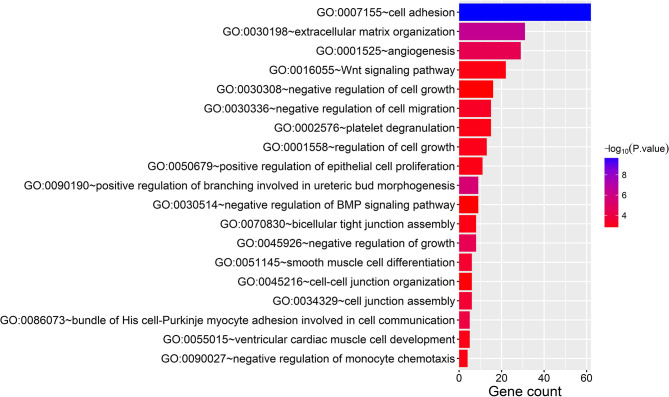
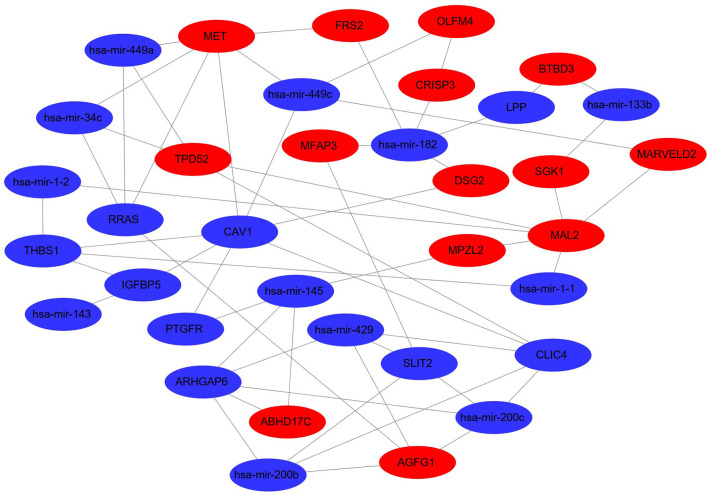
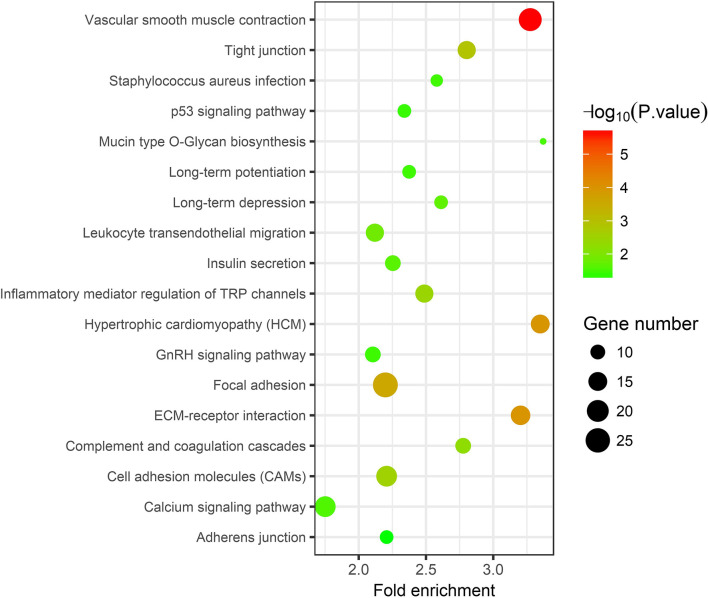
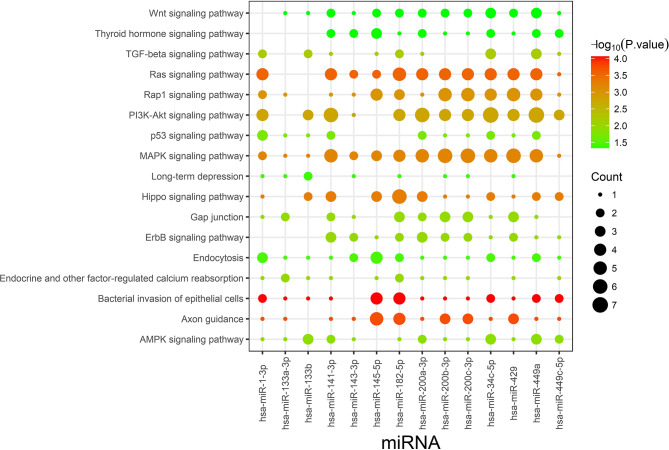
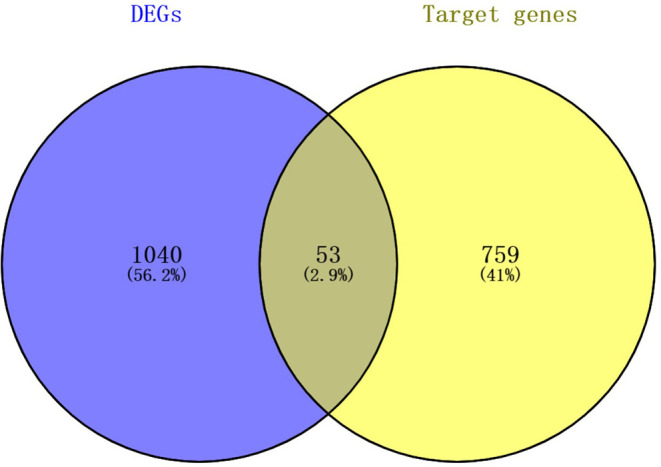
Although the thin endometrium (TE) has been widely recognized as a critical factor in implantation failure, the contribution of miRNA-mRNA regulatory network to the development of disease etiology remains to be further elucidated. This study performed an integrative analysis of the miRNA-mRNA expression profiles in the thin and adjacent normal endometrium of eight patients with intrauterine adhesion to construct the transcriptomic regulatory networks. A total of 1,093 differentially expressed genes (DEGs) and 72 differentially expressed miRNAs (DEMs) were identified in the thin adhesive endometrium of the TE group compared with the control adjacent normal endometrial cells. Gene Ontology (GO) and Kyoto Encyclopedia of Genes and Genomes (KEGG) pathway analyses showed that the DEGs and the target genes of DEM were significantly enriched in angiogenesis, cell growth regulation, and Wnt signaling pathway. Multiple hub genes (CAV1, MET, MAL2, has-mir-138, ARHGAP6, CLIC4, RRAS, AGFG1, has-mir-200, and has-mir-429) were identified by constructing the miRNA-mRNA regulatory networks. Furthermore, a miRNA-mRNA pathway function analysis was conducted, and the hub genes were enriched in the FoxO signaling pathway, cell growth regulation, inflammatory response regulation, and regulation of autophagy pathways. Our study is the first to perform integrated mRNA-seq and miRNA-seq analyses in the thin adhesive endometrium and the control adjacent normal endometrial cells. This study provides new insights into the molecular mechanisms underlying the formation of thin endometrium.
尽管薄型子宫内膜(TE)已被广泛认为是植入失败的关键因素,但miRNA-mRNA调控网络在疾病病因发展中的作用仍有待进一步阐明。本研究对8例宫腔粘连患者的薄型子宫内膜及相邻正常子宫内膜的miRNA-mRNA表达谱进行综合分析,以构建转录组调控网络。与对照相邻正常子宫内膜细胞相比,在TE组的薄型粘连子宫内膜中总共鉴定出1093个差异表达基因(DEG)和72个差异表达miRNA(DEM)。基因本体论(GO)和京都基因与基因组百科全书(KEGG)通路分析表明,DEG和DEM的靶基因在血管生成、细胞生长调控和Wnt信号通路中显著富集。通过构建miRNA-mRNA调控网络鉴定出多个枢纽基因(CAV1、MET、MAL2、has-mir-138、ARHGAP6、CLIC4、RRAS、AGFG1、has-mir-200和has-mir-429)。此外,进行了miRNA-mRNA通路功能分析,枢纽基因在FoxO信号通路、细胞生长调控、炎症反应调控和自噬通路调控中富集。我们的研究首次对薄型粘连子宫内膜和对照相邻正常子宫内膜细胞进行了mRNA测序和miRNA测序的综合分析。本研究为薄型子宫内膜形成的分子机制提供了新的见解。