Palmieri Elena, Arato Vanessa, Oldrini Davide, Ricchetti Beatrice, Aruta Maria Grazia, Pansegrau Werner, Marchi Sara, Giusti Fabiola, Ferlenghi Ilaria, Rossi Omar, Alfini Renzo, Giannelli Carlo, Gasperini Gianmarco, Necchi Francesca, Micoli Francesca
GSK Vaccines Institute for Global Health (GVGH) S.r.l., Via Fiorentina 1, 53100 Siena, Italy.
GSK, Via Fiorentina 1, 53100 Siena, Italy.
Vaccines (Basel). 2021 Mar 6;9(3):229. doi: 10.3390/vaccines9030229.
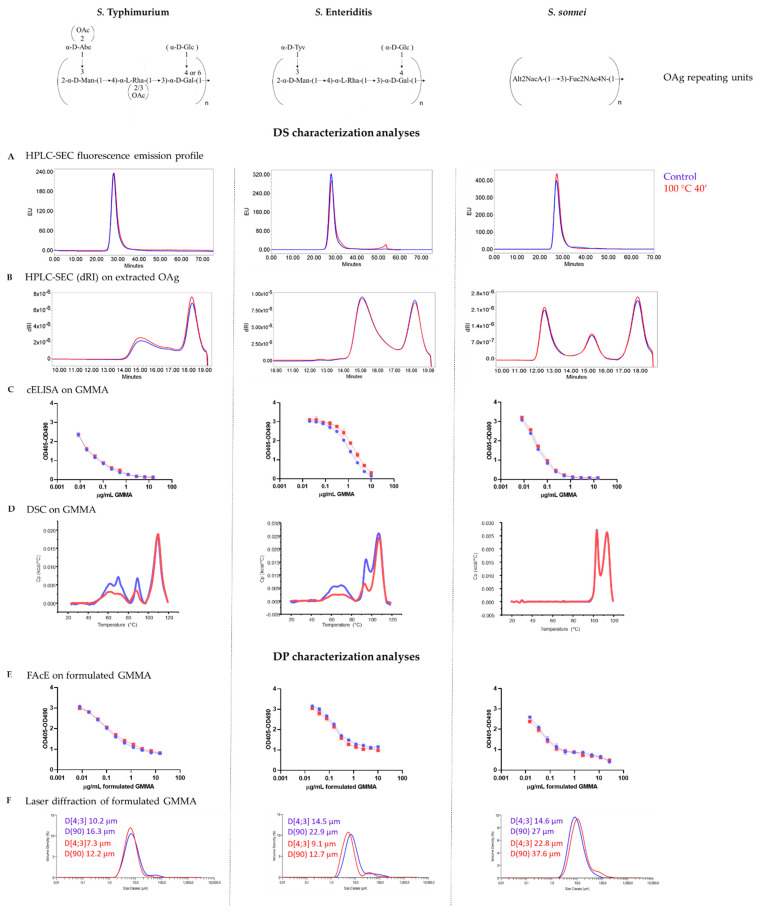
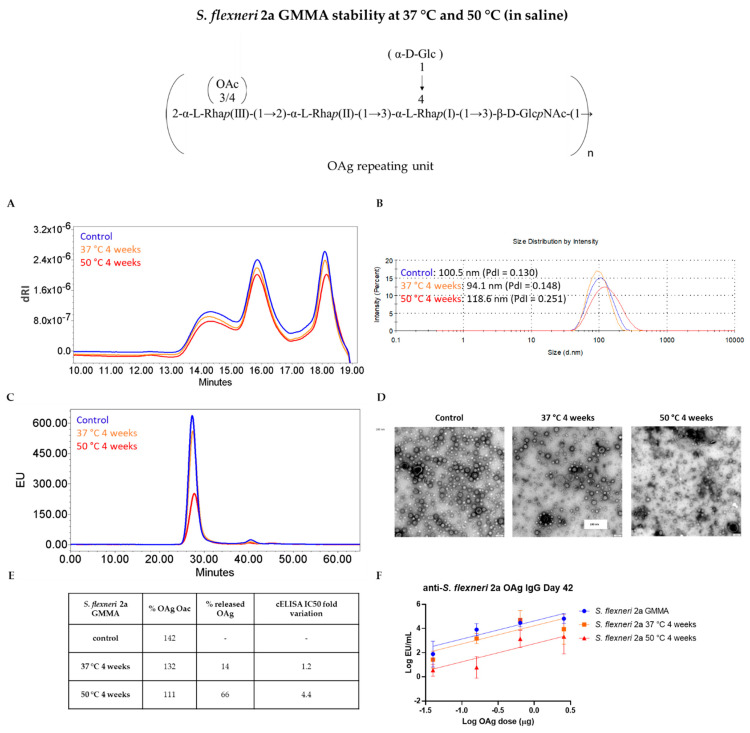
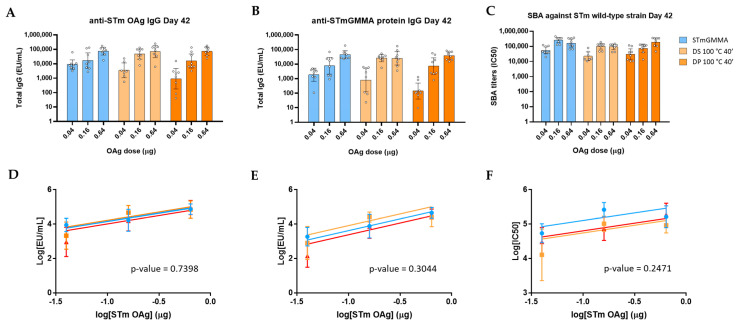
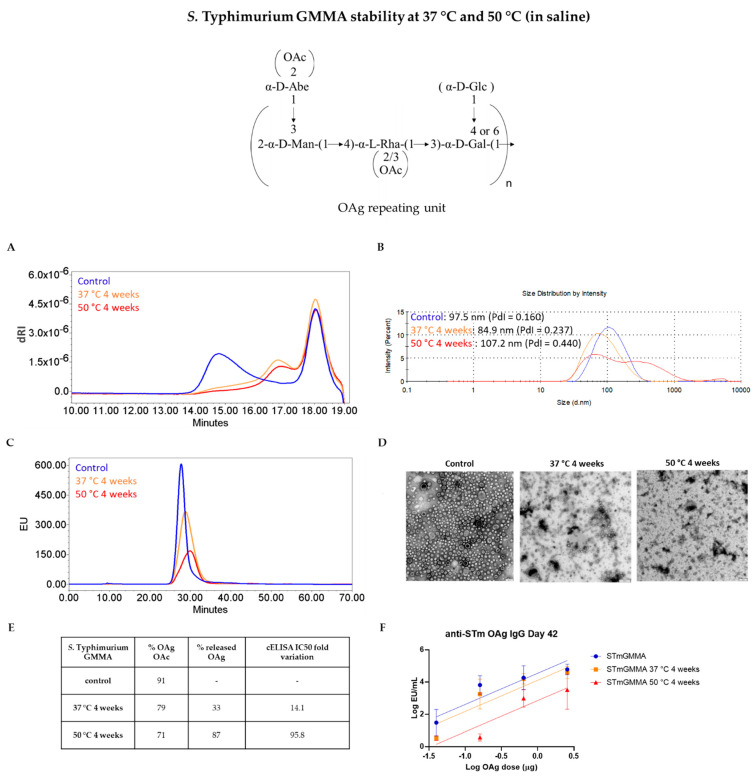
Ensuring the stability of vaccines is crucial to successfully performing global immunization programs. Outer Membrane Vesicles (OMV) are receiving great attention as vaccine platforms. OMV are complex molecules and few data have been collected so far on their stability. OMV produced by bacteria, genetically modified to increase their spontaneous release, simplifying their production, are also known as Generalized Modules for Membrane Antigens (GMMA). We have performed accelerated stability studies on GMMA from different pathogens and verified the ability of physico-chemical and immunological methods to detect possible changes. High-temperature conditions (100 °C for 40 min) did not affect GMMA stability and immunogenicity in mice, in contrast to the effect of milder temperatures for a longer period of time (37 °C or 50 °C for 4 weeks). We identified critical quality attributes to monitor during stability assessment that could impact vaccine efficacy. In particular, specific recognition of antigens by monoclonal antibodies through competitive ELISA assays may replace in vivo tests for the potency assessment of GMMA-based vaccines.
确保疫苗的稳定性对于成功实施全球免疫计划至关重要。外膜囊泡(OMV)作为疫苗平台正受到广泛关注。OMV是复杂的分子,目前关于其稳定性收集的数据很少。通过基因改造以增加其自发释放从而简化生产的细菌产生的OMV,也被称为膜抗原通用模块(GMMA)。我们对来自不同病原体的GMMA进行了加速稳定性研究,并验证了物理化学和免疫学方法检测可能变化的能力。高温条件(100°C 40分钟)对小鼠体内GMMA的稳定性和免疫原性没有影响,这与温和温度较长时间(37°C或50°C 4周)的影响相反。我们确定了在稳定性评估期间要监测的关键质量属性,这些属性可能会影响疫苗效力。特别是,通过竞争性ELISA测定法用单克隆抗体对抗原的特异性识别可能会取代基于GMMA的疫苗效力评估的体内试验。