Institute of Surgical Research, University of Szeged, 6724 Szeged, Hungary.
Int J Mol Sci. 2021 Mar 10;22(6):2816. doi: 10.3390/ijms22062816.
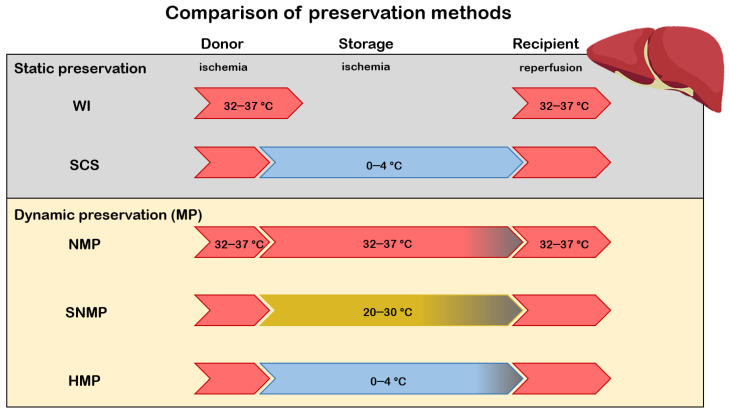
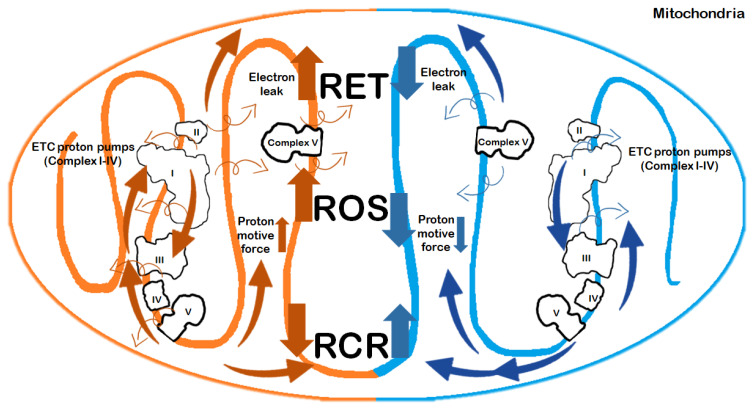
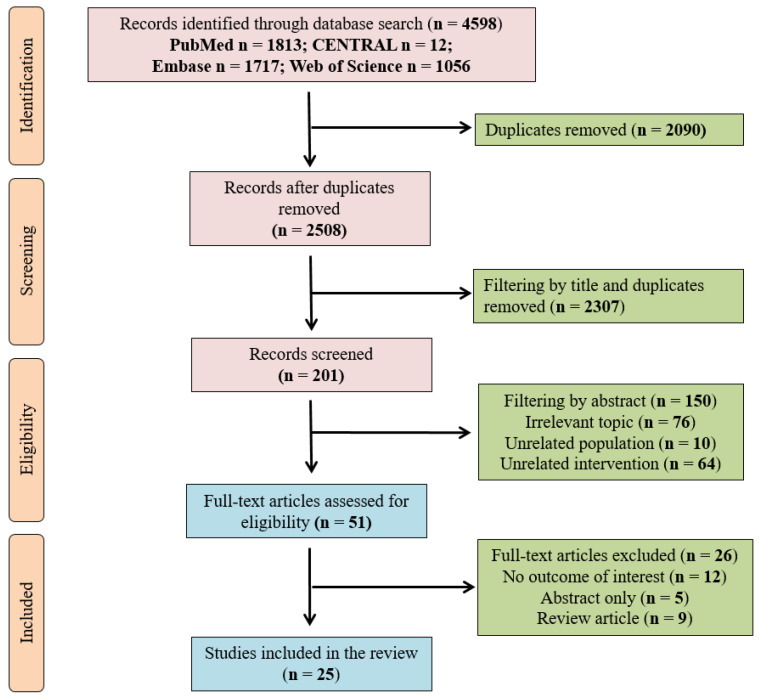
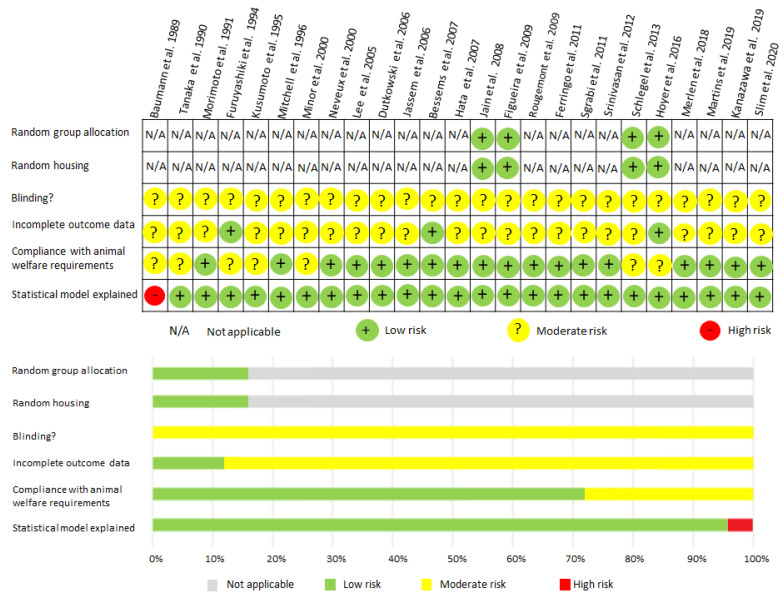
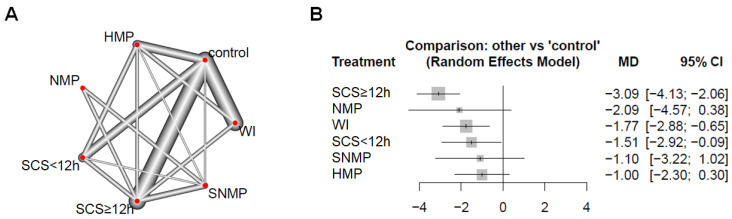
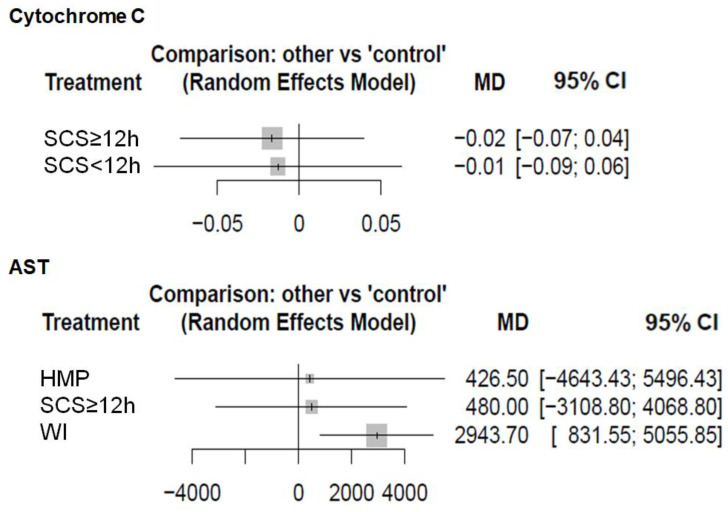
Allograft ischemia during liver transplantation (LT) adversely affects the function of mitochondria, resulting in impairment of oxidative phosphorylation and compromised post-transplant recovery of the affected organ. Several preservation methods have been developed to improve donor organ quality; however, their effects on mitochondrial functions have not yet been compared. This study aimed to summarize the available data on mitochondrial effects of graft preservation methods in preclinical models of LT. Furthermore, a network meta-analysis was conducted to determine if any of these treatments provide a superior benefit, suggesting that they might be used on humans. A systematic search was conducted using electronic databases (EMBASE, MEDLINE (via PubMed), the Cochrane Central Register of Controlled Trials (CENTRAL) and Web of Science) for controlled animal studies using preservation methods for LT. The ATP content of the graft was the primary outcome, as this is an indicator overall mitochondrial function. Secondary outcomes were the respiratory activity of mitochondrial complexes, cytochrome c and aspartate aminotransferase (ALT) release. Both a random-effects model and the SYRCLE risk of bias analysis for animal studies were used. After a comprehensive search of the databases, 25 studies were enrolled in the analysis. Treatments that had the most significant protective effect on ATP content included hypothermic and subnormothermic machine perfusion (HMP and SNMP) (MD = -1.0, 95% CI: (-2.3, 0.3) and MD = -1.1, 95% CI: (-3.2, 1.02)), while the effects of warm ischemia (WI) without cold storage (WI) and normothermic machine perfusion (NMP) were less pronounced (MD = -1.8, 95% CI: (-2.9, -0.7) and MD = -2.1 MD; CI: (-4.6; 0.4)). The subgroup of static cold storage (SCS) with shorter preservation time (< 12 h) yielded better results than SCS ≥ 12 h, NMP and WI, in terms of ATP preservation and the respiratory capacity of complexes. HMP and SNMP stand out in terms of mitochondrial protection when compared to other treatments for LT in animals. The shorter storage time at lower temperatures, together with the dynamic preservation, provided superior protection for the grafts in terms of mitochondrial function. Additional clinical studies on human patients including marginal donors and longer ischemia times are needed to confirm any superiority of preservation methods with respect to mitochondrial function.
同种异体肝移植(LT)过程中的供肝缺血会对线粒体功能产生不利影响,导致氧化磷酸化受损,并影响受者器官的移植后恢复。已经开发了几种保存方法来改善供体器官的质量;然而,它们对线粒体功能的影响尚未得到比较。本研究旨在总结 LT 临床前模型中供肝保存方法对线粒体影响的现有数据。此外,还进行了网络荟萃分析,以确定这些治疗方法中是否有任何一种具有更好的益处,表明它们可能在人类中使用。使用电子数据库(EMBASE、MEDLINE(通过 PubMed)、Cochrane 中央对照试验注册中心(CENTRAL)和 Web of Science)进行了系统搜索,以查找使用 LT 保存方法的对照动物研究。移植肝的 ATP 含量是主要观察终点,因为这是整体线粒体功能的一个指标。次要观察终点是线粒体复合物、细胞色素 c 和天冬氨酸氨基转移酶(ALT)释放的呼吸活性。同时使用随机效应模型和 SYRCLE 动物研究偏倚风险分析。在对数据库进行全面搜索后,共纳入 25 项研究进行分析。对 ATP 含量有最显著保护作用的治疗方法包括低温和亚低温机器灌注(HMP 和 SNMP)(MD = -1.0,95%CI:(-2.3,0.3)和 MD = -1.1,95%CI:(-3.2,1.02)),而热缺血(WI)不冷藏(WI)和常温机器灌注(NMP)的作用则不那么明显(MD = -1.8,95%CI:(-2.9,-0.7)和 MD = -2.1 MD;CI:(-4.6;0.4))。保存时间较短(<12 小时)的静态冷藏(SCS)亚组在 ATP 保存和复合物呼吸能力方面优于 SCS≥12 小时、NMP 和 WI。与 LT 动物的其他治疗方法相比,HMP 和 SNMP 在保护线粒体方面更为突出。低温下较短的保存时间和动态保存为移植肝的线粒体功能提供了更好的保护。需要对包括边缘供体和较长缺血时间的人类患者进行进一步的临床研究,以确认保存方法在保护线粒体功能方面的任何优越性。