Copenhagen Neuromuscular Center, Department of Neurology, Rigshospitalet, University of Copenhagen, DK-2100 Copenhagen, Denmark.
Cells. 2021 Mar 3;10(3):533. doi: 10.3390/cells10030533.
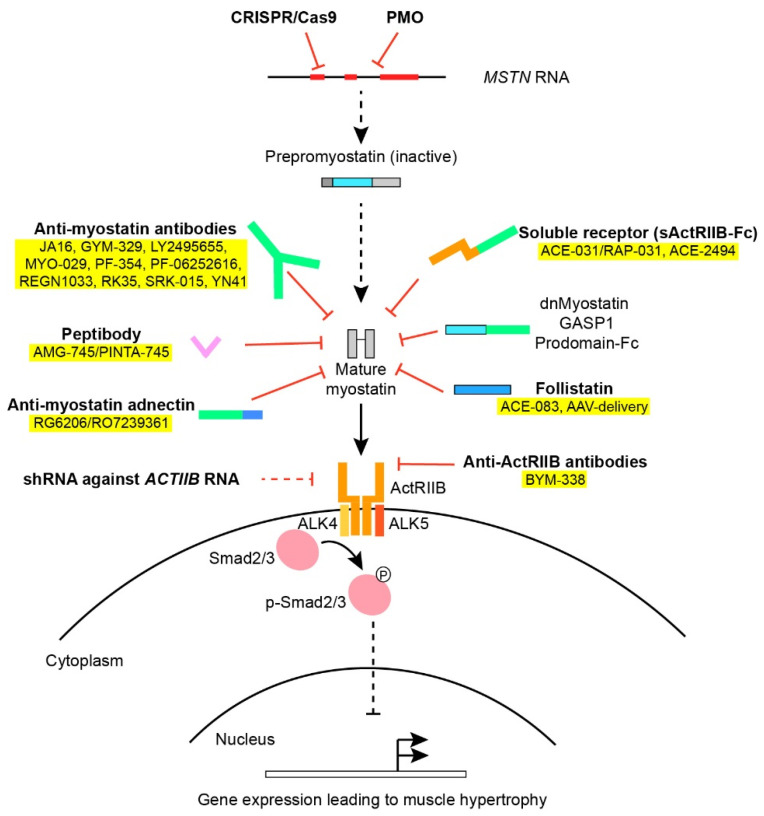
In the past 20 years, myostatin, a negative regulator of muscle mass, has attracted attention as a potential therapeutic target in muscular dystrophies and other conditions. Preclinical studies have shown potential for increasing muscular mass and ameliorating the pathological features of dystrophic muscle by the inhibition of myostatin in various ways. However, hardly any clinical trials have proven to translate the promising results from the animal models into patient populations. We present the background for myostatin regulation, clinical and preclinical results and discuss why translation from animal models to patients is difficult. Based on this, we put the clinical relevance of future antimyostatin treatment into perspective.
在过去的 20 年中,肌肉生长抑制素(myostatin)作为肌肉质量的负调控因子,作为肌肉萎缩症和其他疾病的潜在治疗靶点引起了关注。临床前研究表明,通过多种方式抑制肌肉生长抑制素可增加肌肉质量并改善萎缩肌肉的病理特征。然而,几乎没有临床试验证明可以将动物模型中的有希望的结果转化为患者群体。我们介绍了肌肉生长抑制素调节的背景、临床和临床前结果,并讨论了为什么从动物模型到患者的转化很困难。在此基础上,我们对未来抗肌肉生长抑制素治疗的临床相关性进行了展望。