Youssef Ahmed Adel Ali, Cai Chuntian, Dudhipala Narendar, Majumdar Soumyajit
Department of Pharmaceutical Technology, Faculty of Pharmacy, Kafrelsheikh University, Kafrelsheikh 33516, Egypt.
Department of Pharmaceutics and Drug Delivery, School of Pharmacy, University of Mississippi, Oxford, MS 38677, USA.
Pharmaceuticals (Basel). 2021 Mar 3;14(3):210. doi: 10.3390/ph14030210.
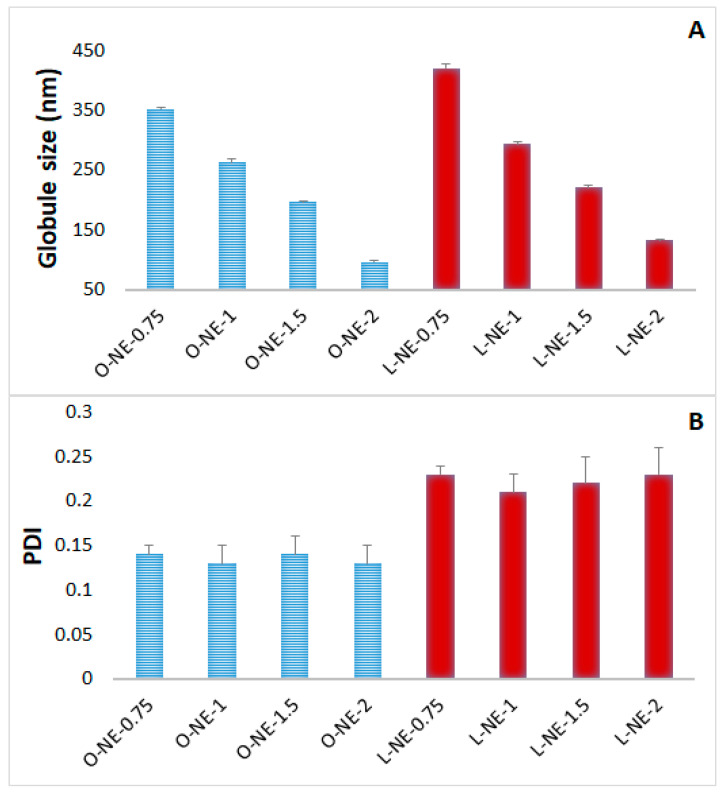
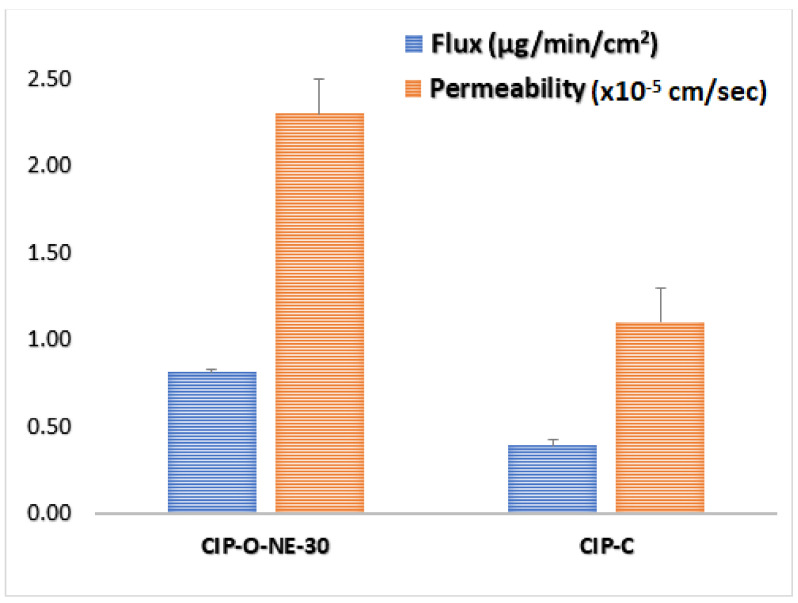
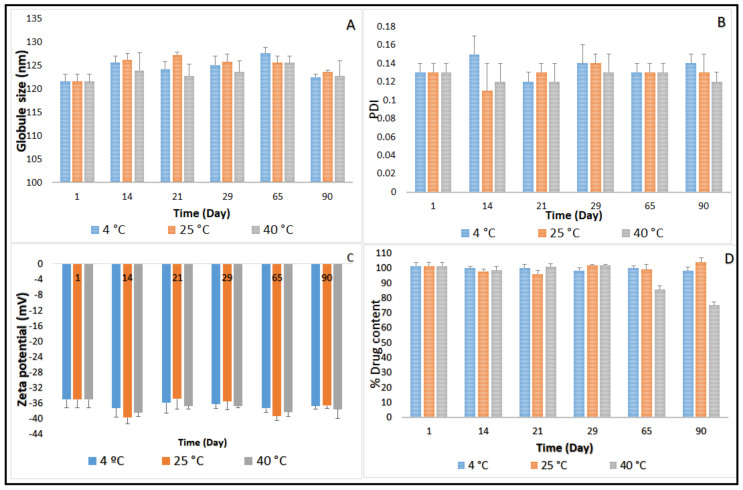
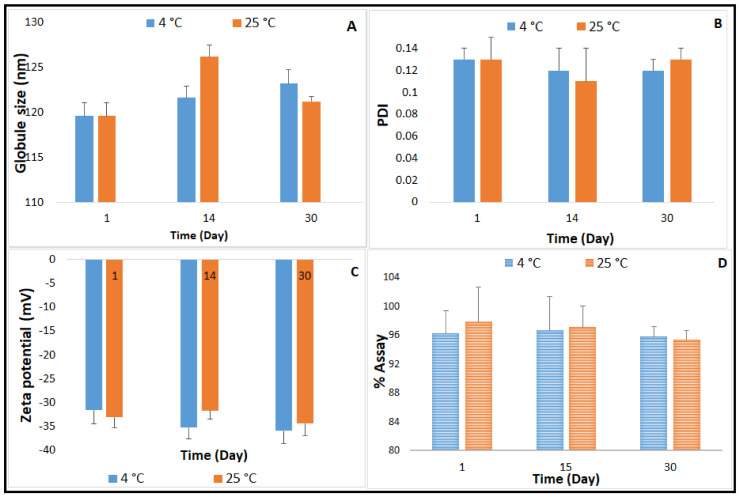
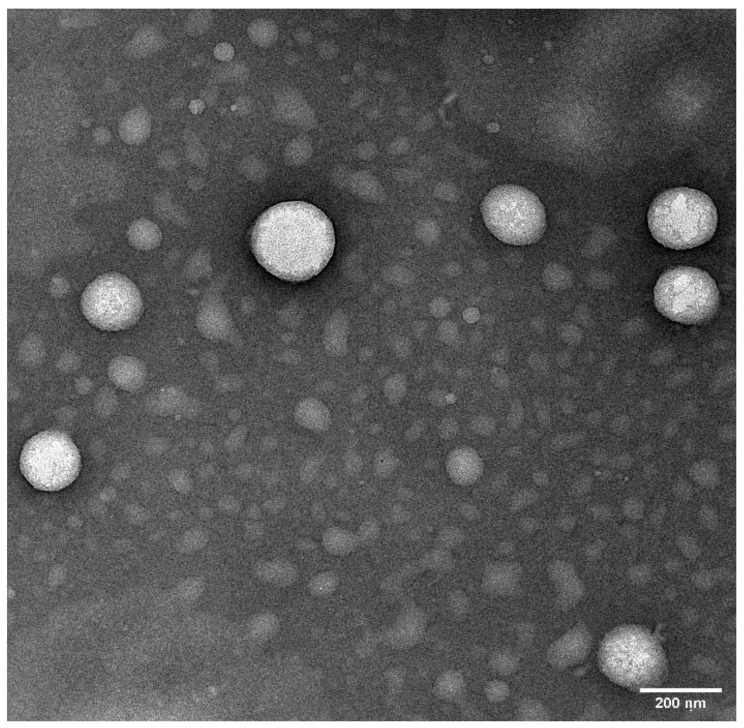
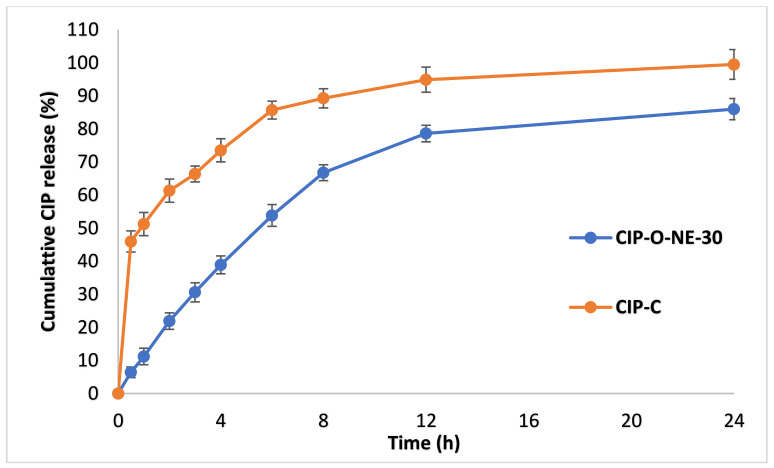
Bacterial keratitis (BK) is a critical ocular infection that can lead to serious visual disability. Ciprofloxacin (CIP), moxifloxacin (MOX), and levofloxacin (LFX) have been accepted as monotherapies by the US Food and Drug Administration for BK treatment. CIP is available commercially at 0.3% / concentration as an ophthalmic solution and as an ointment for ocular delivery. Because of solubility issues at physiological pH, CIP precipitation can occur at the corneal surface post instillation of the solution dosage form. Consequently, the ocular bioavailability of CIP is reduced. The ointment dosage form is associated with side effects such as blurred vision, itching, redness, eye discomfort, and eye dryness. This study aimed to design a CIP loaded nanoemulsion (NE; CIP-NE) to facilitate drug penetration into the corneal layers for improved therapeutic outcomes as well as to overcome the drawbacks of the current commercial ophthalmic formulations. CIP-NE formulations were prepared by hot homogenization and ultrasonication, using oleic acid (CIP-O-NE) and Labrafac Lipophile WL 1349 (CIP-L-NE) as the oily phase, and Tween 80 and Poloxamer 188 as surfactants. Optimized CIP-NE was further evaluated with respect to in vitro release, ex vivo transcorneal permeation, and moist heat sterilization process, using commercial CIP ophthalmic solution as a control. Optimized CIP-O-NE formulation showed a globule size, polydispersity index, and zeta potential of 121.6 ± 1.5 nm, 0.13 ± 0.01, and -35.1 ± 2.1 mV, respectively, with 100.1 ± 2.0% drug content and was spherical in shape. In vitro release and ex vivo transcorneal permeation studies exhibited sustained release and a 2.1-fold permeation enhancement, respectively, compared with commercial CIP ophthalmic solution. Autoclaved CIP-O-NE formulation was found to be stable for one month (last time-point tested) at refrigerated and room temperature. Therefore, CIP-NE formulation could serve as an effective delivery system for CIP and could improve treatment outcomes in BK.
细菌性角膜炎(BK)是一种严重的眼部感染,可导致严重的视力残疾。环丙沙星(CIP)、莫西沙星(MOX)和左氧氟沙星(LFX)已被美国食品药品监督管理局批准作为BK治疗的单一疗法。CIP有0.3%浓度的商业眼科溶液和眼部给药软膏。由于在生理pH值下的溶解性问题,溶液剂型滴入后CIP会在角膜表面沉淀。因此,CIP的眼部生物利用度降低。软膏剂型会产生如视力模糊、瘙痒、发红、眼部不适和眼干等副作用。本研究旨在设计一种载有CIP的纳米乳剂(NE;CIP-NE),以促进药物渗透到角膜层,改善治疗效果,并克服目前商业眼科制剂的缺点。CIP-NE制剂通过热均质化和超声处理制备,使用油酸(CIP-O-NE)和Labrafac Lipophile WL 1349(CIP-L-NE)作为油相,吐温80和泊洛沙姆188作为表面活性剂。以市售CIP眼科溶液为对照,对优化后的CIP-NE进行体外释放、离体角膜渗透和湿热灭菌工艺的进一步评估。优化后的CIP-O-NE制剂的球粒大小、多分散指数和zeta电位分别为121.6±1.5 nm、0.13±0.01和-35.1±2.1 mV,药物含量为100.1±2.0%,呈球形。与市售CIP眼科溶液相比,体外释放和离体角膜渗透研究分别显示出缓释和2.1倍的渗透增强。经高压灭菌的CIP-O-NE制剂在冷藏和室温下可稳定保存一个月(测试的最后时间点)。因此,CIP-NE制剂可作为CIP的有效给药系统,并可改善BK的治疗效果。