Carvalho Violeta, Gonçalves Inês M, Souza Andrews, Souza Maria S, Bento David, Ribeiro João E, Lima Rui, Pinho Diana
Mechanical Engineering and Resource Sustainability Center (MEtRICs), Mechanical Engineering Department, University of Minho, 4800-058 Guimarães, Portugal.
Instituto Superior Técnico, Universidade de Lisboa, Av. Rovisco Pais, 1049-001 Lisboa, Portugal.
Micromachines (Basel). 2021 Mar 18;12(3):317. doi: 10.3390/mi12030317.
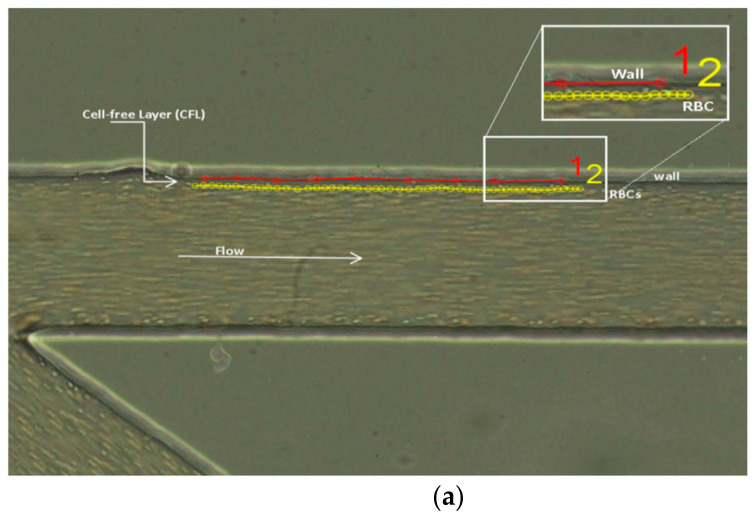
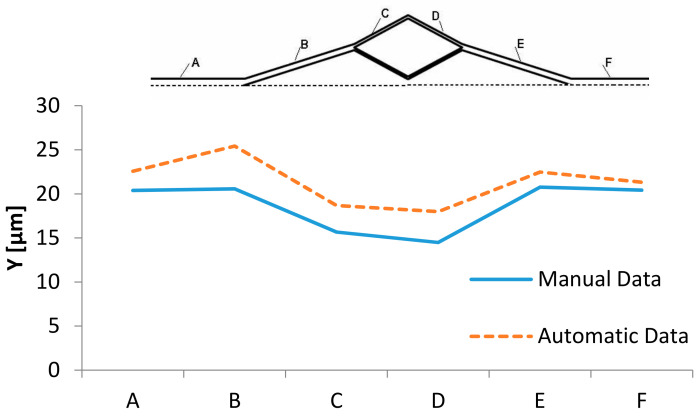
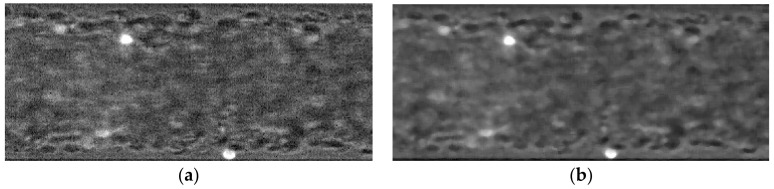
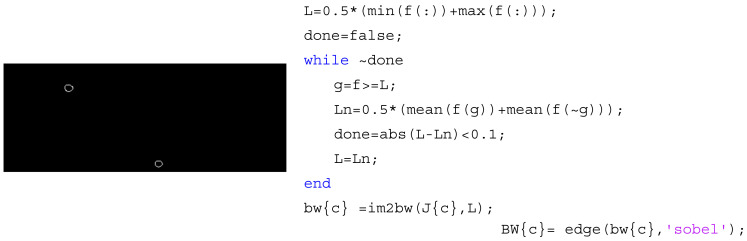
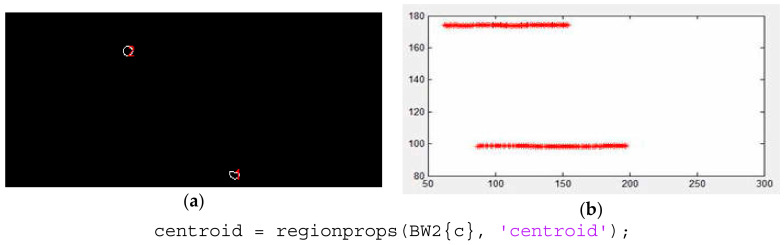
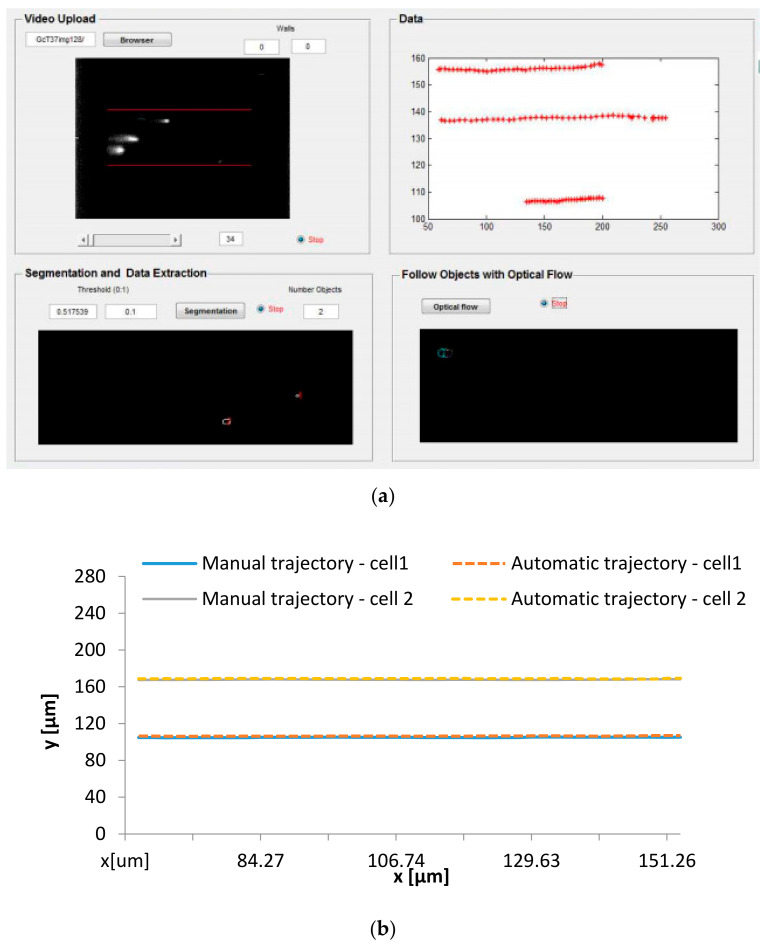
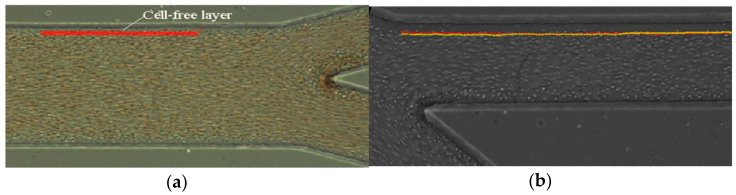
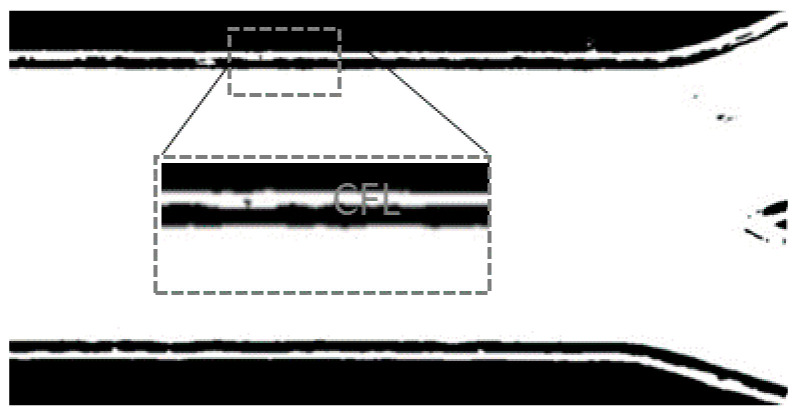
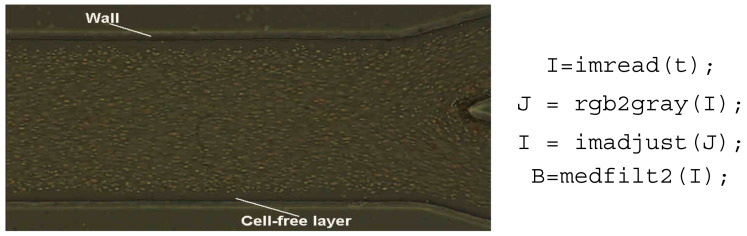
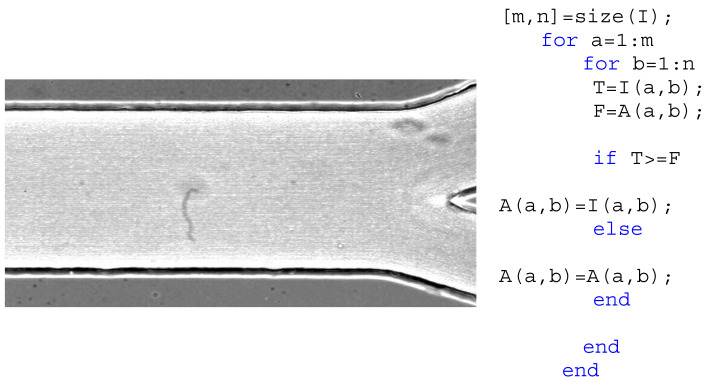
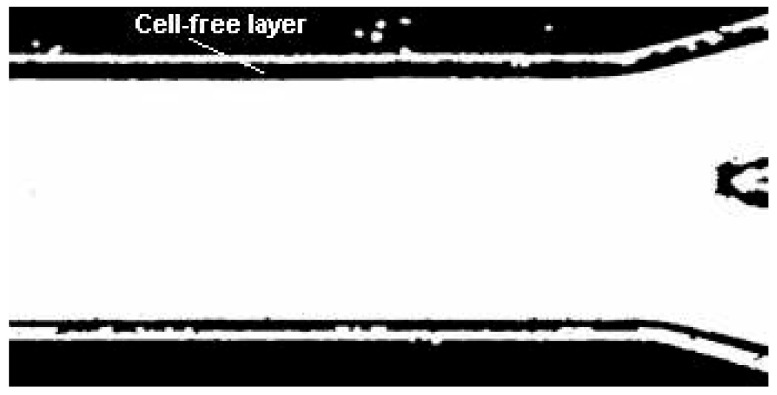
In blood flow studies, image analysis plays an extremely important role to examine raw data obtained by high-speed video microscopy systems. This work shows different ways to process the images which contain various blood phenomena happening in microfluidic devices and in microcirculation. For this purpose, the current methods used for tracking red blood cells (RBCs) flowing through a glass capillary and techniques to measure the cell-free layer thickness in different kinds of microchannels will be presented. Most of the past blood flow experimental data have been collected and analyzed by means of manual methods, that can be extremely reliable, but they are highly time-consuming, user-intensive, repetitive, and the results can be subjective to user-induced errors. For this reason, it is crucial to develop image analysis methods able to obtain the data automatically. Concerning automatic image analysis methods for individual RBCs tracking and to measure the well known microfluidic phenomena cell-free layer, two developed methods are presented and discussed in order to demonstrate their feasibility to obtain accurate data acquisition in such studies. Additionally, a comparison analysis between manual and automatic methods was performed.
在血流研究中,图像分析对于检查高速视频显微镜系统获取的原始数据起着极其重要的作用。这项工作展示了处理包含微流体装置和微循环中发生的各种血液现象的图像的不同方法。为此,将介绍目前用于跟踪流经玻璃毛细管的红细胞(RBC)的方法以及测量不同类型微通道中无细胞层厚度的技术。过去的大多数血流实验数据都是通过手动方法收集和分析的,这些方法可能非常可靠,但耗时极长、人力密集、重复性高,而且结果可能会受到用户导致的误差的影响。因此,开发能够自动获取数据的图像分析方法至关重要。关于用于单个红细胞跟踪以及测量著名的微流体现象无细胞层的自动图像分析方法,介绍并讨论了两种已开发的方法,以证明它们在此类研究中获取准确数据采集的可行性。此外,还对手动方法和自动方法进行了比较分析。