Beijing Advanced Innovation Center for Food Nutrition and Human Health, College of Food Science and Nutritional Engineering, Beijing Key Laboratory for Food Non-Thermal Processing, China Agricultural University, No.17 Qinghua East Road, Haidian District, Beijing 100083, China.
College of Veterinary Medicine, China Agricultural University, No.2 Yunamingyuan West Road, Haidian District, Beijing 100193, China.
Toxins (Basel). 2021 Mar 18;13(3):221. doi: 10.3390/toxins13030221.
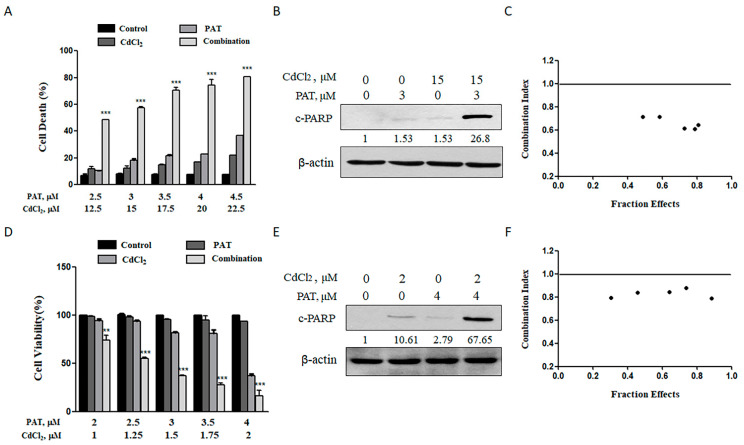
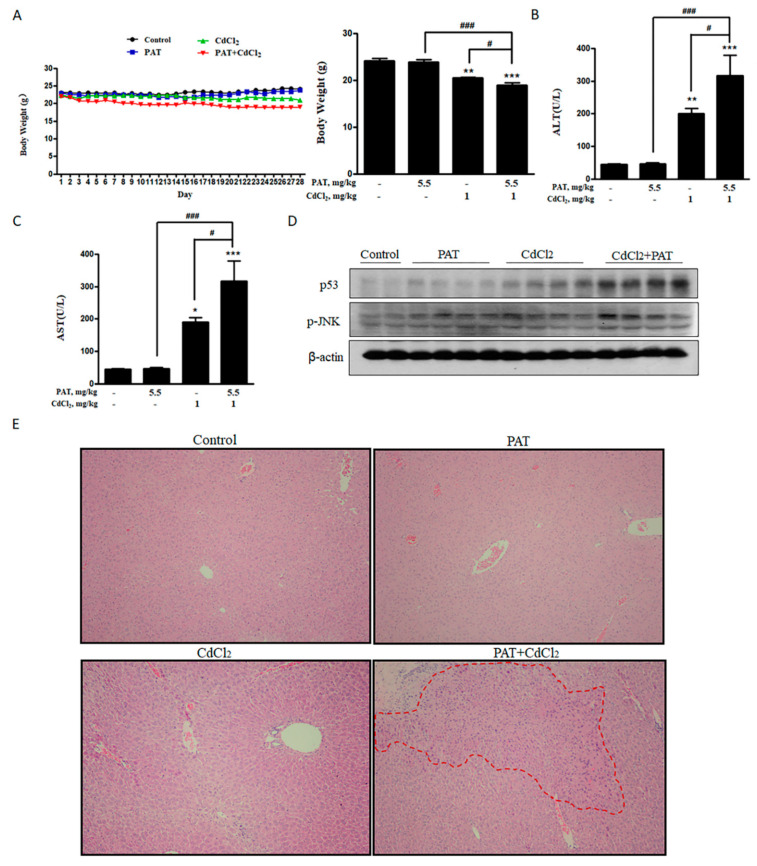
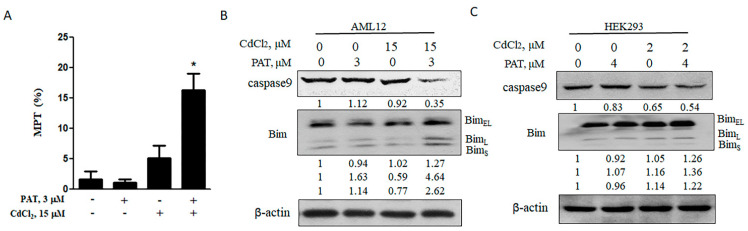
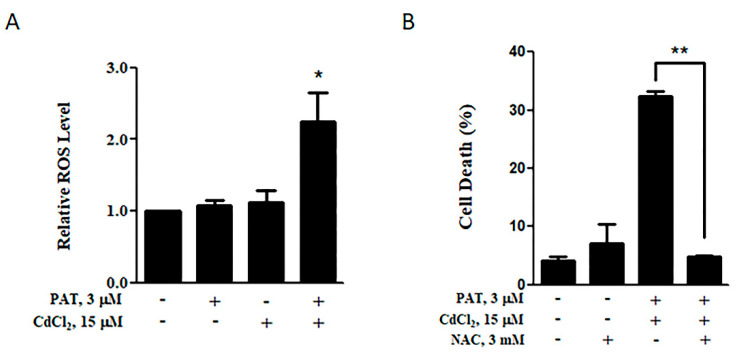
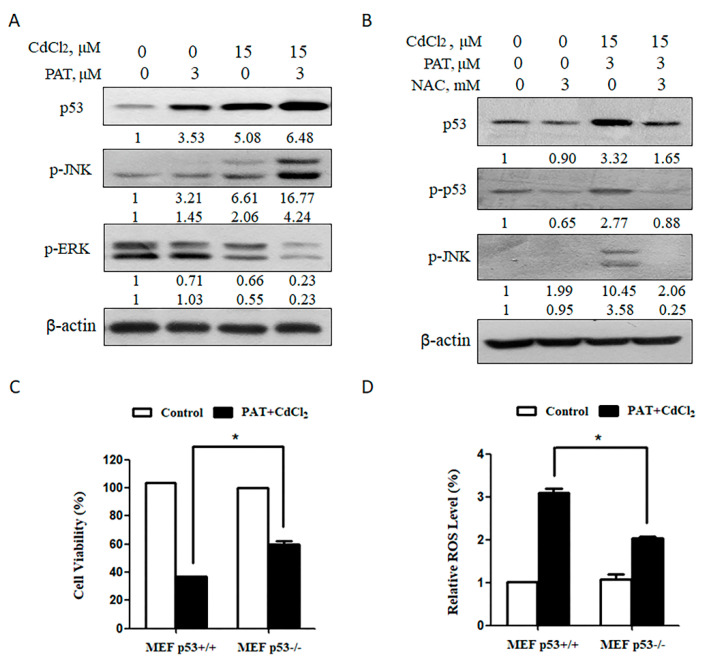
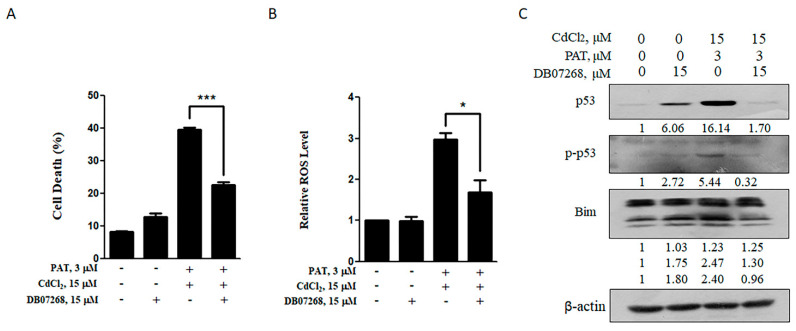
Food can be contaminated by various types of contaminants such as mycotoxins and toxic heavy metals. Therefore, it is very likely that simultaneous intake of more than one type of food contaminant by consumers may take place, which provides a strong rationale for investigating the combined toxicities of these food contaminants. Patulin is one of the most common food-borne mycotoxins, whereas cadmium is a representative of toxic heavy metals found in food. The liver and kidneys are the main target organ sites for both patulin and cadmium. We hypothesized that simultaneous exposure to patulin and cadmium could produce synergistic hepatotoxicity and nephrotoxicity. Alpha mouse liver 12 (AML12) and Human embryonic kidney (HEK) 293 (HEK293) cell lines together with a mouse model were used to explore the combination effect and mechanism. The results demonstrated, for the first time, that the co-exposure of liver or renal cells to patulin and cadmium caused synergistic cytotoxicity in vitro and enhanced liver toxicity in vivo. The synergistic toxicity caused by the co-administration of patulin and cadmium was attributed to the boosted reactive oxygen species (ROS) generation. c-Jun N-terminal kinase 1 (JNK1) and p53 as downstream mediators of oxidative stress contributed to the synergistic toxicity by co-exposure of patulin and cadmium, while p53/JNK1 activation promoted the second-round ROS production through a positive feedback loop. The findings of the present study extend the toxicological knowledge about patulin and cadmium, which could be beneficial to more precisely perform risk assessments on these food contaminants.
食物可能会受到各种类型的污染物的污染,例如真菌毒素和有毒重金属。因此,消费者同时摄入多种类型的食物污染物的可能性非常大,这为研究这些食物污染物的联合毒性提供了强有力的理由。棒曲霉素是最常见的食物源真菌毒素之一,而镉是食物中有毒重金属的代表。肝脏和肾脏是棒曲霉素和镉的主要靶器官部位。我们假设同时暴露于棒曲霉素和镉可能会产生协同的肝毒性和肾毒性。我们使用 Alpha 小鼠肝 12(AML12)和人胚肾(HEK)293(HEK293)细胞系以及小鼠模型来探索联合作用和机制。结果首次表明,肝脏或肾脏细胞同时暴露于棒曲霉素和镉会在体外引起协同细胞毒性,并在体内增强肝毒性。棒曲霉素和镉联合给药引起的协同毒性归因于活性氧(ROS)生成的增加。c-Jun N-末端激酶 1(JNK1)和 p53 作为氧化应激的下游介质,通过棒曲霉素和镉的共同暴露导致协同毒性,而 p53/JNK1 激活通过正反馈环促进第二轮 ROS 生成。本研究的结果扩展了关于棒曲霉素和镉的毒理学知识,这有助于更准确地对这些食物污染物进行风险评估。