San Diego Biomedical Research Institute, San Diego, CA 92121, USA.
Departments of Neurosciences and Psychiatry, University of California San Diego, San Diego, CA 92103, USA.
Viruses. 2021 Mar 24;13(4):544. doi: 10.3390/v13040544.
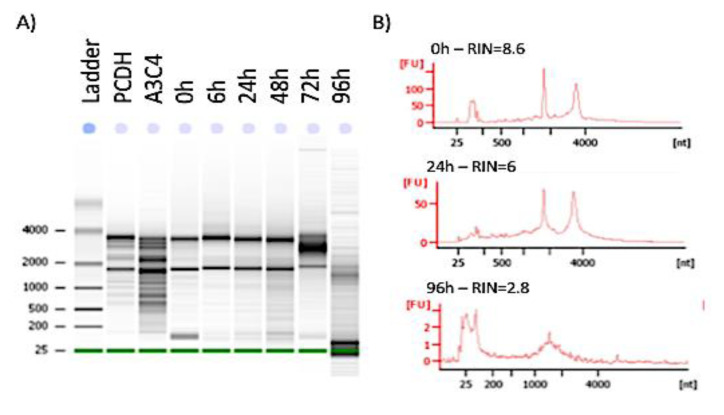
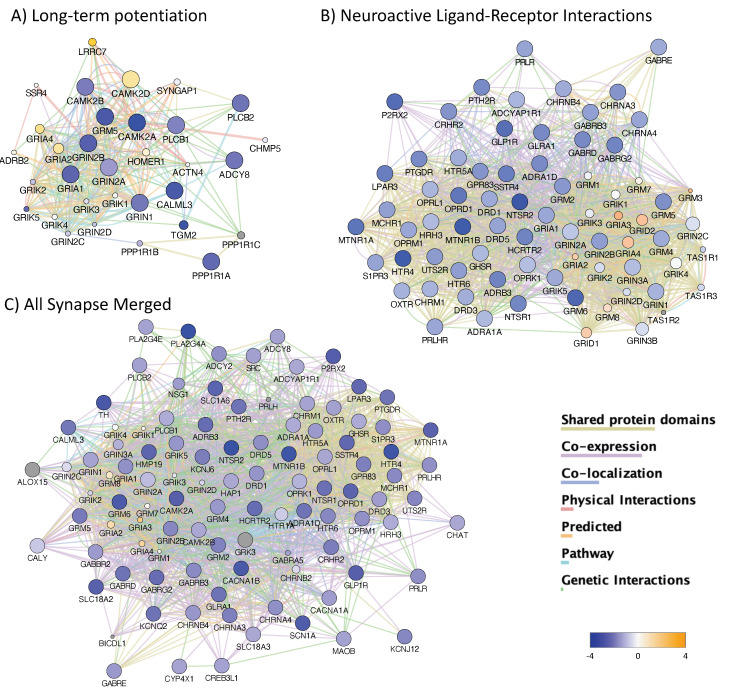
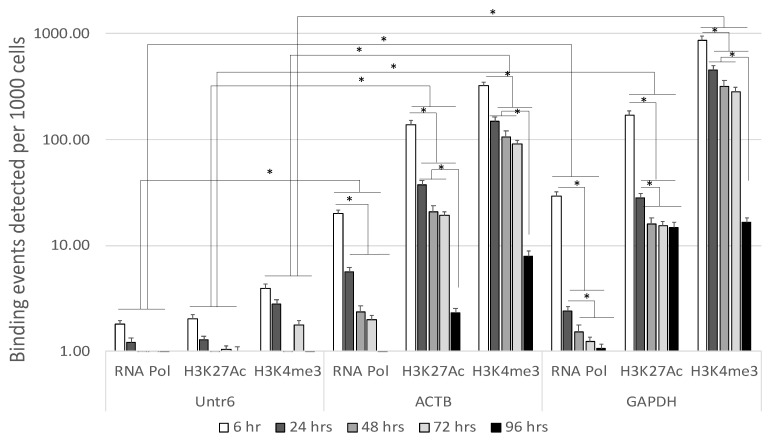
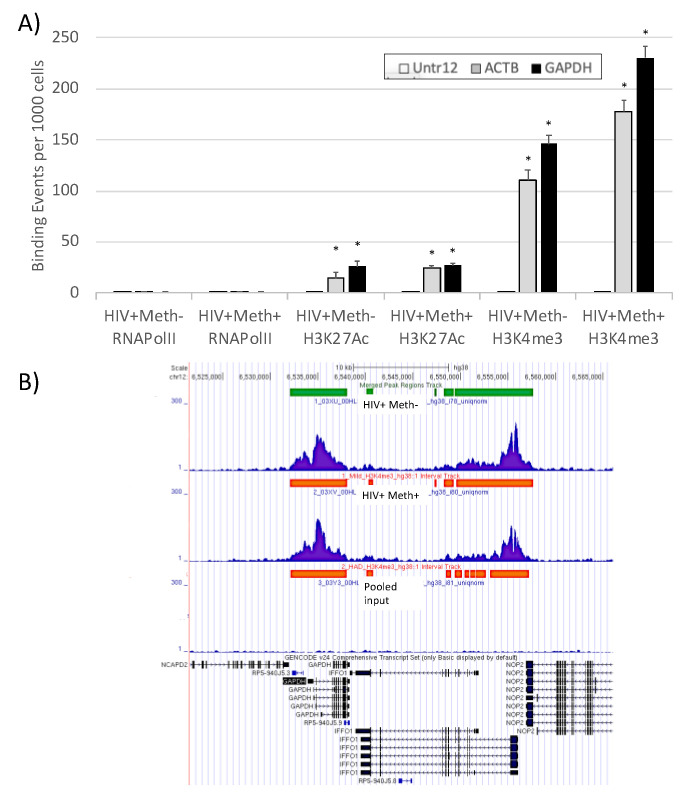
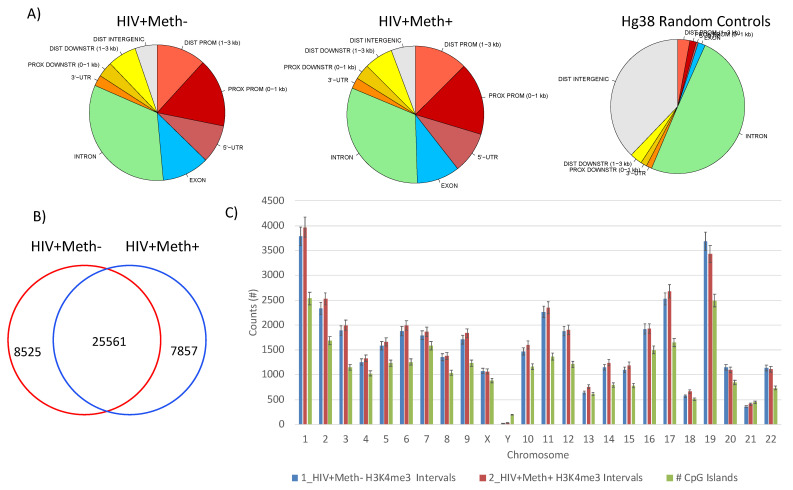
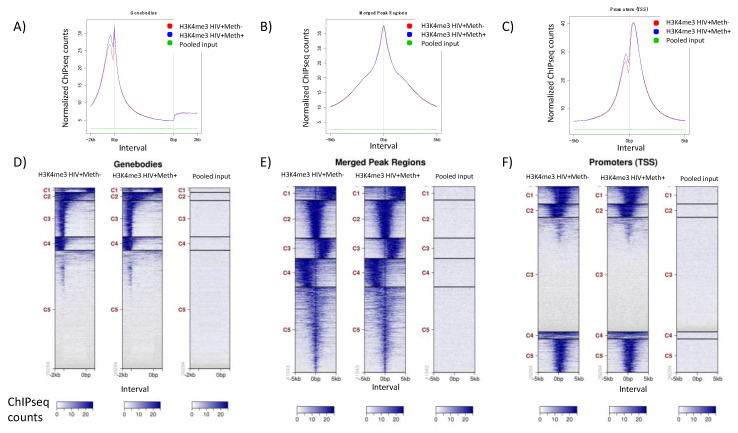
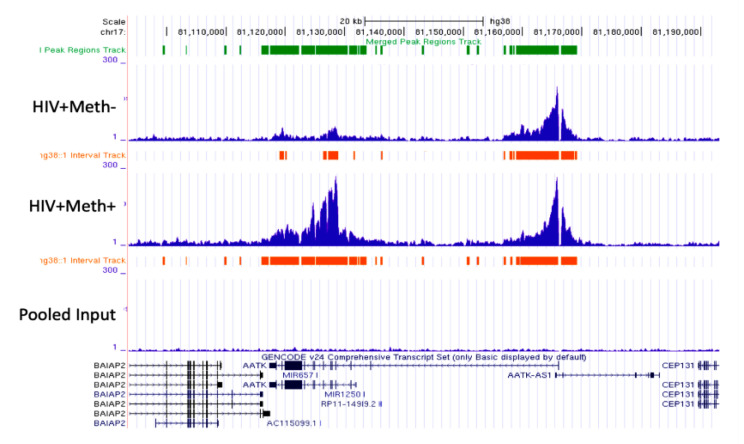
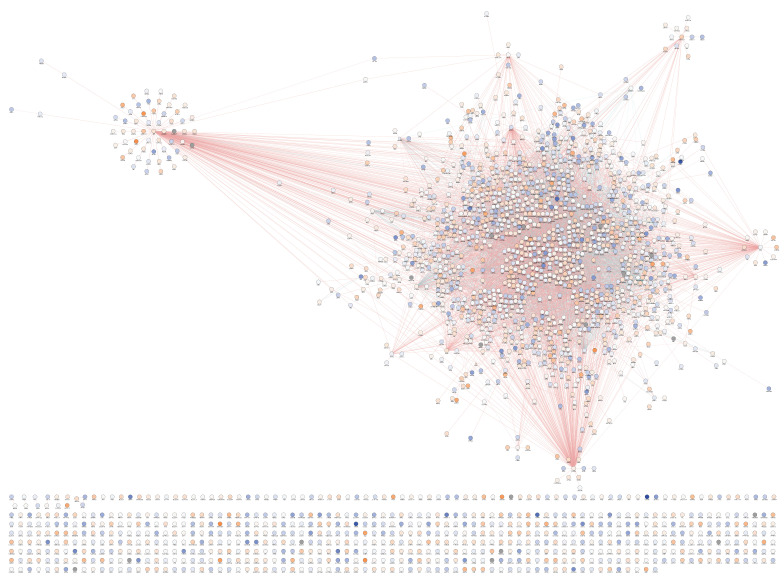
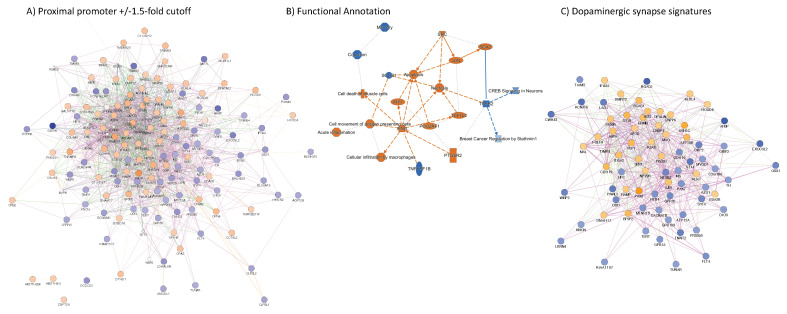
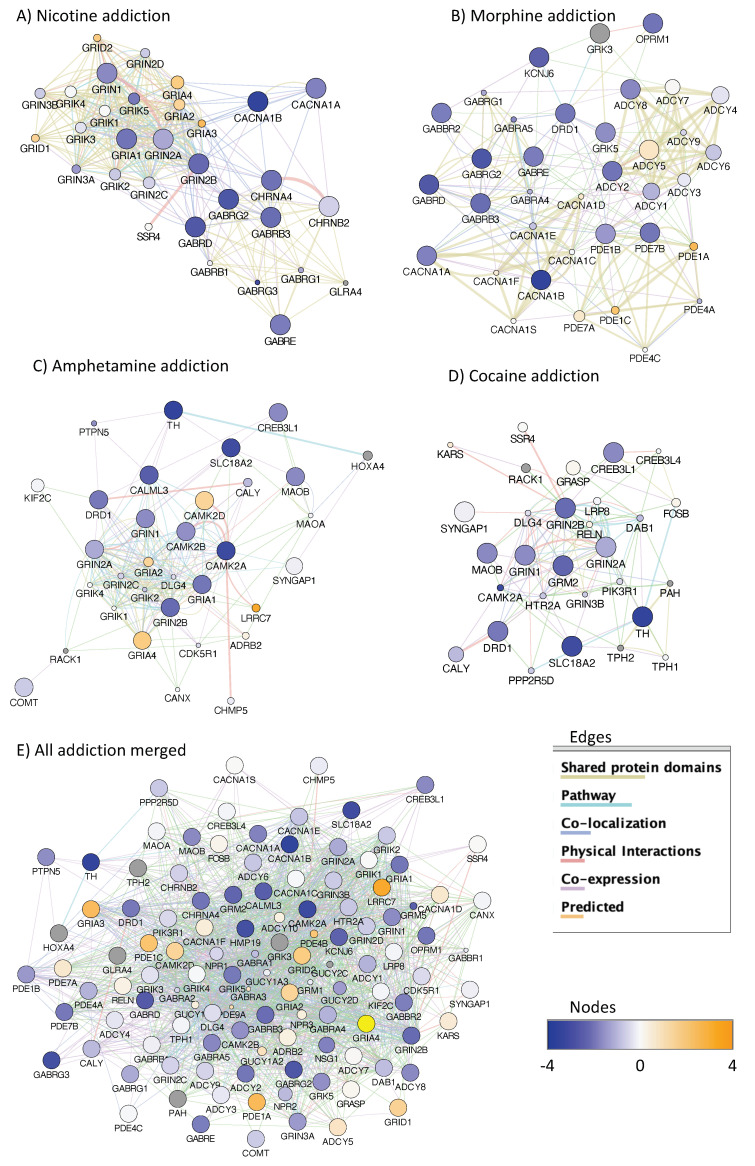
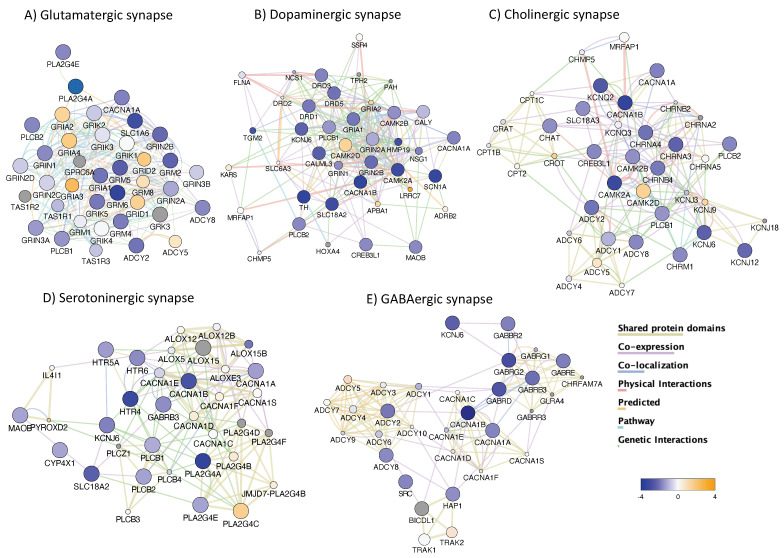
Human postmortem specimens are extremely valuable resources for investigating translational hypotheses. Tissue repositories collect clinically assessed specimens from people with and without HIV, including age, viral load, treatments, substance use patterns and cognitive functions. One challenge is the limited number of specimens suitable for transcriptional studies, mainly due to poor RNA quality resulting from long postmortem intervals. We hypothesized that epigenomic signatures would be more stable than RNA for assessing global changes associated with outcomes of interest. We found that H3K27Ac or RNA Polymerase (Pol) were not consistently detected by Chromatin Immunoprecipitation (ChIP), while the enhancer H3K4me3 histone modification was abundant and stable up to the 72 h postmortem. We tested our ability to use HeKme in human prefrontal cortex from HIV+ individuals meeting criteria for methamphetamine use disorder or not (Meth +/-) which exhibited poor RNA quality and were not suitable for transcriptional profiling. Systems strategies that are typically used in transcriptional metadata were applied to H3K4me3 peaks revealing consistent genomic activity differences in regions where addiction and neuronal synapses pathway genes are represented, including genes of the dopaminergic system, as well as inflammatory pathways. The resulting comparisons mirrored previously observed effects of Meth on suppressing gene expression and provided insights on neurological processes affected by Meth. The results suggested that H3K4me3 detection in chromatin may reflect transcriptional patterns, thus providing opportunities for analysis of larger numbers of specimens from cases with substance use and neurological deficits. In conclusion, the detection of H3K4me3 in isolated chromatin can be an alternative to transcriptome strategies to increase the power of association using specimens with long postmortem intervals and low RNA quality.
人类死后标本是研究转化假说的极其宝贵资源。组织库收集来自 HIV 感染者和非感染者的临床评估标本,包括年龄、病毒载量、治疗方法、物质使用模式和认知功能。一个挑战是适合转录研究的标本数量有限,主要是由于死后时间间隔长导致 RNA 质量差。我们假设表观遗传特征比 RNA 更稳定,可用于评估与研究结果相关的全局变化。我们发现,组蛋白 H3K27Ac 或 RNA 聚合酶(Pol)不能通过染色质免疫沉淀(ChIP)一致检测到,而增强子 H3K4me3 组蛋白修饰在死后 72 小时内仍然丰富且稳定。我们测试了在符合或不符合(Meth +/-)冰毒使用障碍标准的 HIV+个体的人类前额叶皮层中使用 HeKme 的能力,这些标本 RNA 质量差,不适合转录谱分析。通常应用于转录元数据的系统策略被应用于 H3K4me3 峰,揭示了在成瘾和神经元突触途径基因所代表的区域中基因表达的一致基因组活性差异,包括多巴胺能系统的基因,以及炎症途径。这些比较结果反映了之前观察到的 Meth 对抑制基因表达的影响,并提供了关于受 Meth 影响的神经过程的见解。结果表明,染色质中 H3K4me3 的检测可能反映转录模式,从而为使用具有较长死后间隔和低 RNA 质量的标本分析更多数量的物质使用和神经缺陷病例提供了机会。总之,在孤立染色质中检测 H3K4me3 可以替代转录组策略,增加使用具有长死后间隔和低 RNA 质量的标本进行关联分析的能力。