Krętowski Rafał, Kusaczuk Magdalena, Naumowicz Monika, Cechowska-Pasko Marzanna
Department of Pharmaceutical Biochemistry, Medical University of Bialystok, 15-089 Bialystok, Poland.
Institute of Chemistry, University in Bialystok, 15-328 Bialystok, Poland.
Int J Mol Sci. 2021 Mar 30;22(7):3564. doi: 10.3390/ijms22073564.
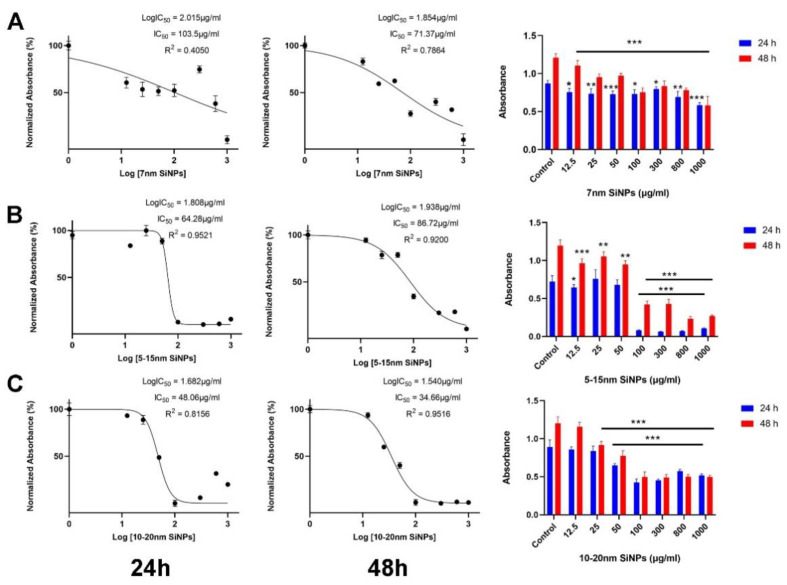
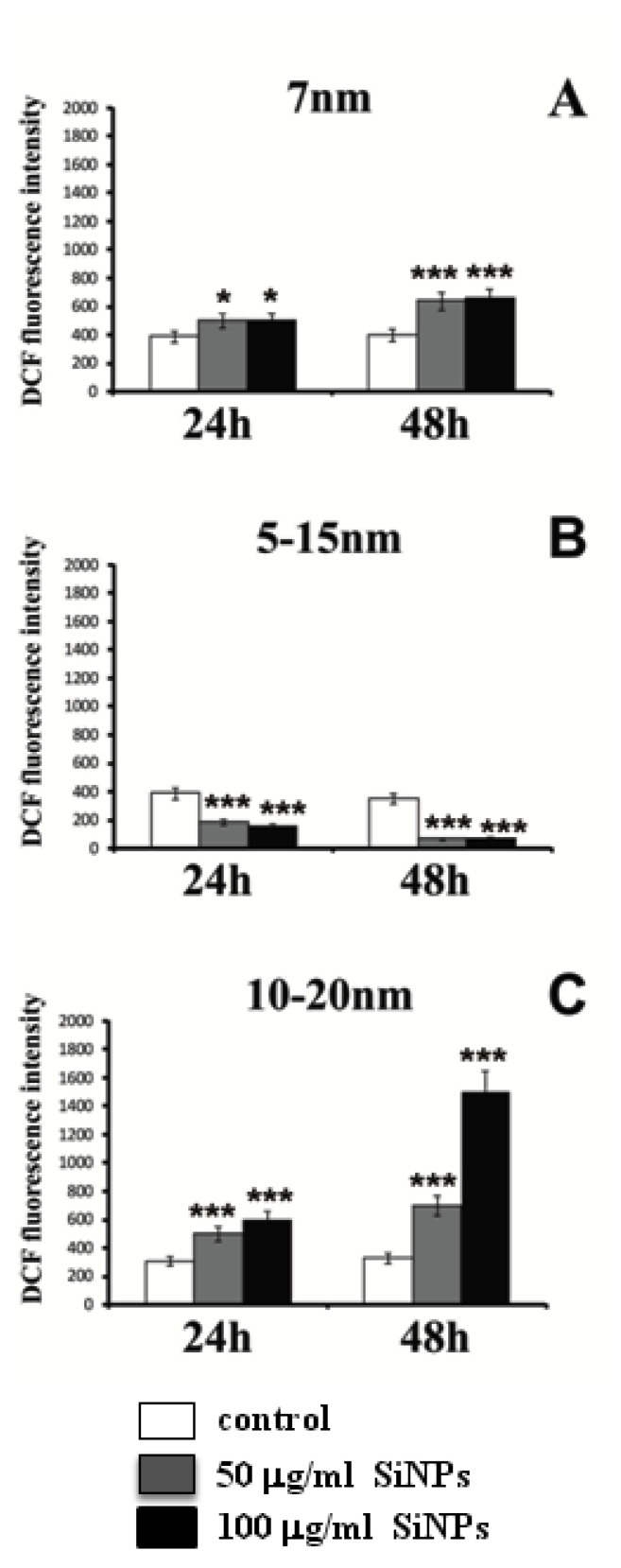
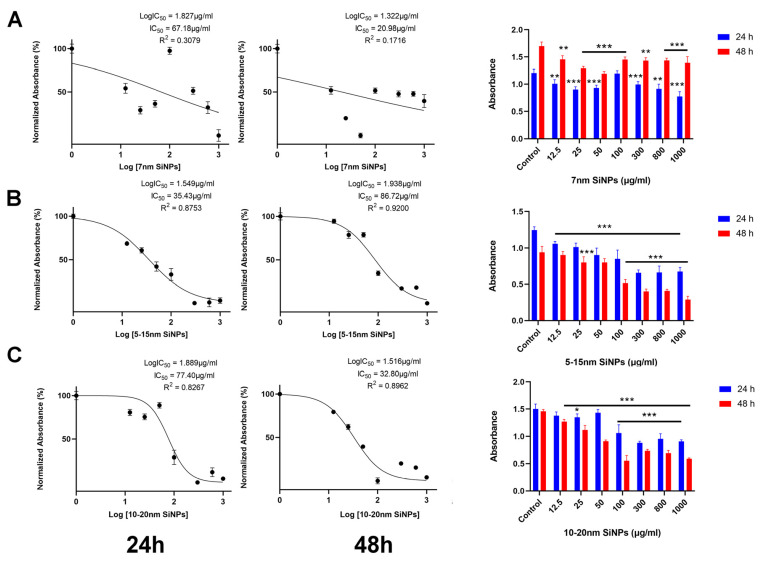
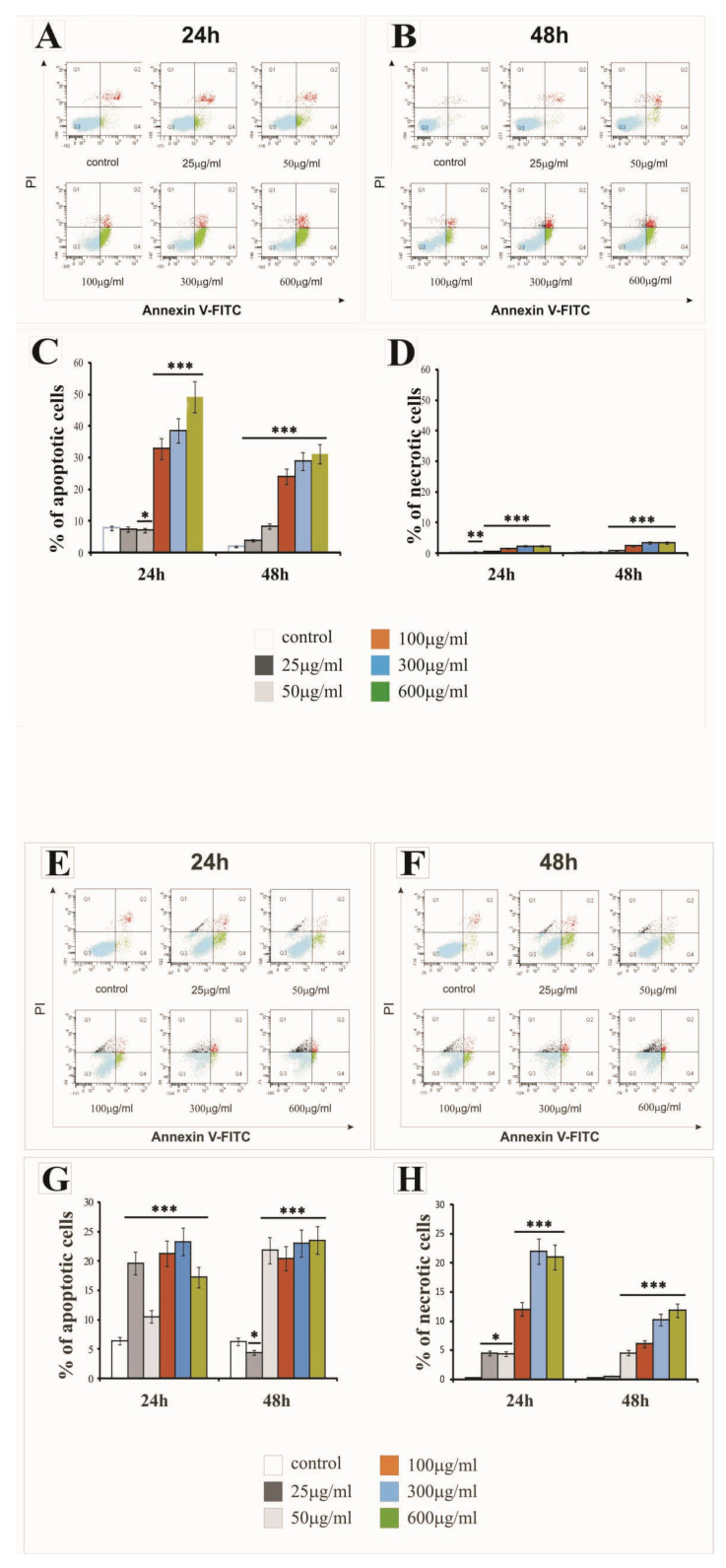
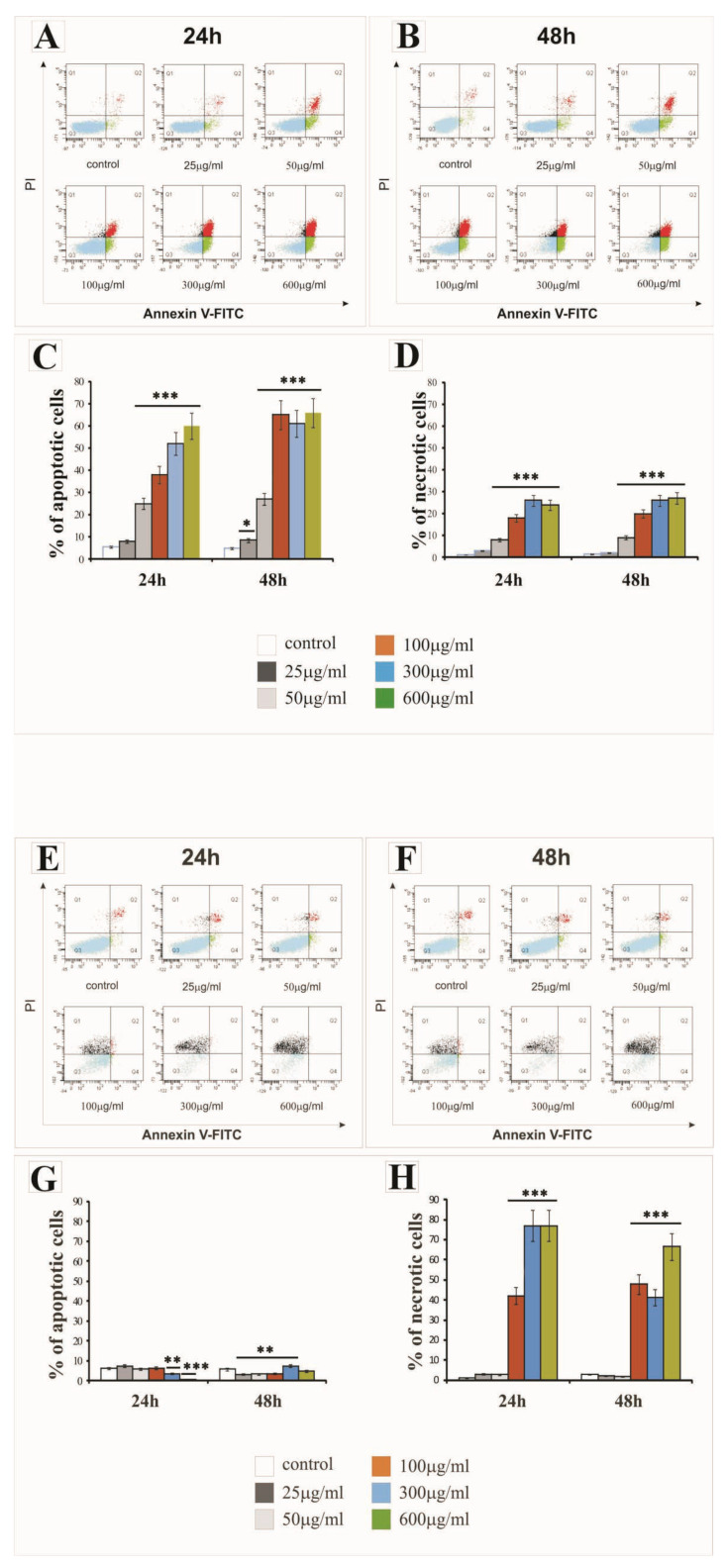
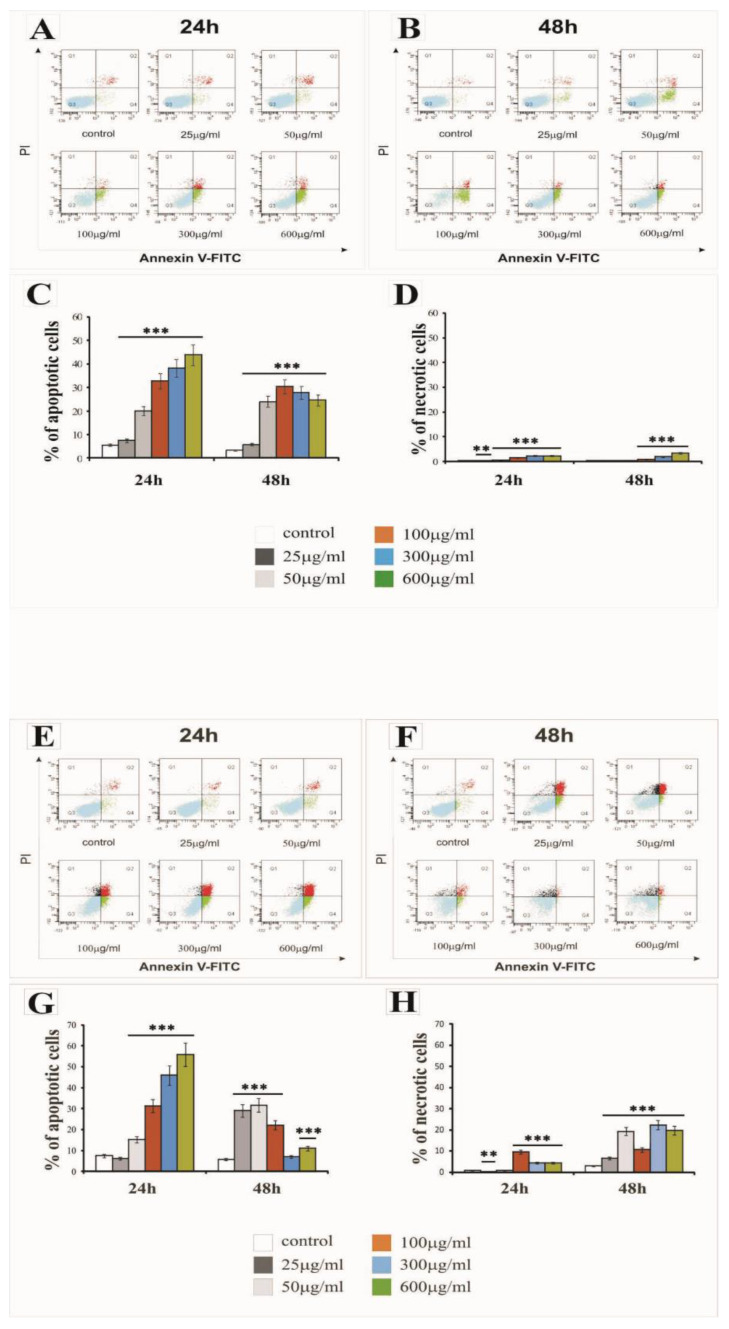
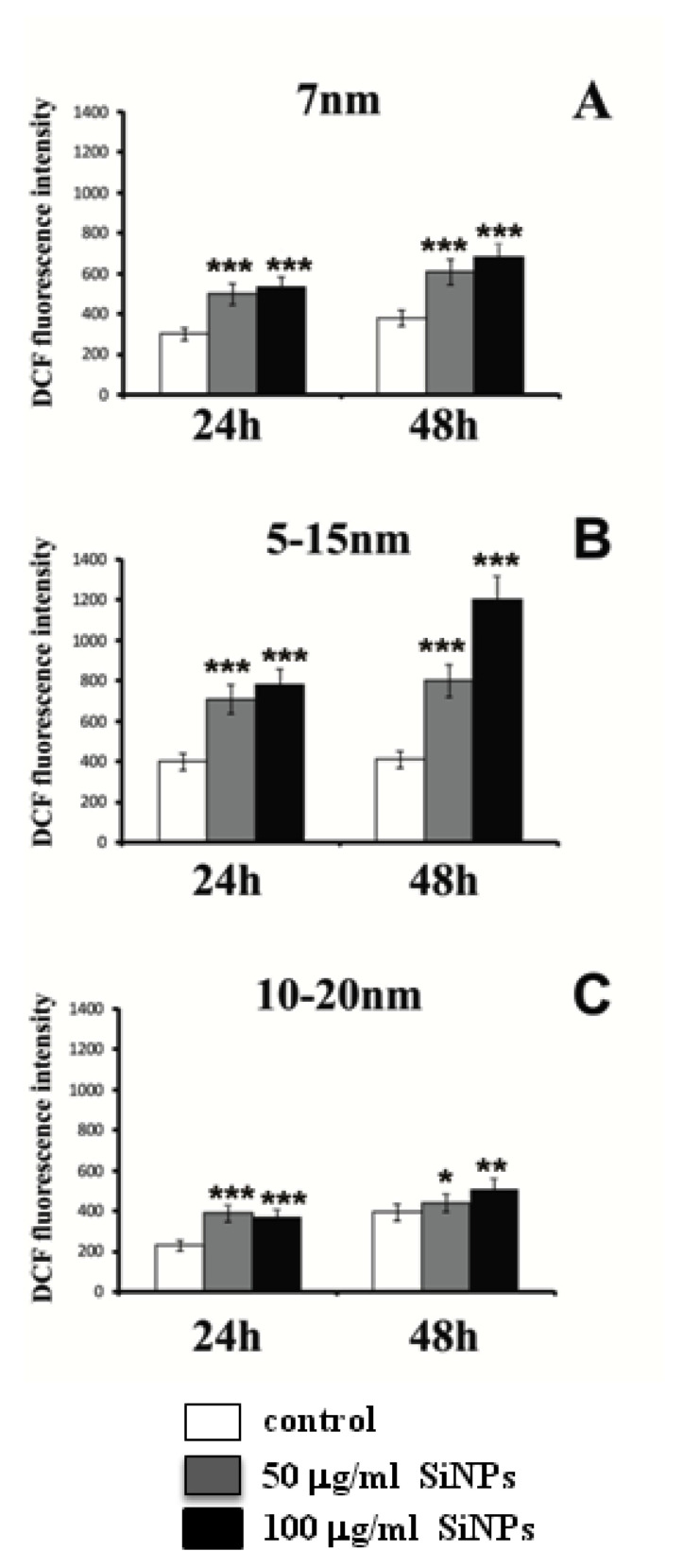
Despite intensive investigations, nanoparticle-induced cellular damage is an important problem that has not been fully elucidated yet. Here, we report that silica nanoparticles (SiNPs) demonstrated anticancer influence on glioblastoma cells by the induction of apoptosis or necrosis. These effects are highly cell type-specific, as well as dependent on the size and dose of applied nanoparticles. Exposure of LN-18 and LBC3 cells to different sizes of SiNPs-7 nm, 5-15 nm, or 10-20 nm-at dosages, ranging from 12.5 to 1000 µg/mL, for 24 and 48 h reduced the viability of these cells. Treatment of LN-18 and LBC3 cells with 7 nm or 10-20 nm SiNPs at doses ≥50 µg/mL caused a strong induction of apoptosis, which is connected with an increase of intracellular reactive oxygen species (ROS) production. The 5-15 nm SiNPs exhibited distinct behavior comparing to silica nanoparticles of other studied sizes. In contrast to LBC3, in LN-18 cells exposed to 5-15 nm SiNPs we did not observe any effect on apoptosis. These nanoparticles exerted only strong necrosis, which was connected with a reduction in ROS generation. This suggests that SiNPs can trigger different cellular/molecular effects, depending on the exposure conditions, the size and dose of nanoparticles, and cell type of glioblastoma.
尽管进行了深入研究,但纳米颗粒诱导的细胞损伤仍是一个尚未完全阐明的重要问题。在此,我们报告二氧化硅纳米颗粒(SiNPs)通过诱导凋亡或坏死对胶质母细胞瘤细胞表现出抗癌作用。这些效应具有高度的细胞类型特异性,并且还取决于所应用纳米颗粒的大小和剂量。将LN-18和LBC3细胞暴露于不同大小(7nm、5-15nm或10-20nm)的SiNPs,剂量范围为12.5至1000μg/mL,处理24小时和48小时后,这些细胞的活力降低。用剂量≥50μg/mL的7nm或10-20nm SiNPs处理LN-18和LBC3细胞会强烈诱导凋亡,这与细胞内活性氧(ROS)生成增加有关。与其他研究大小的二氧化硅纳米颗粒相比,5-15nm的SiNPs表现出不同的行为。与LBC3细胞不同,在暴露于5-15nm SiNPs的LN-18细胞中,我们未观察到对凋亡有任何影响。这些纳米颗粒仅引起强烈的坏死,这与ROS生成减少有关。这表明SiNPs可触发不同的细胞/分子效应,这取决于暴露条件、纳米颗粒的大小和剂量以及胶质母细胞瘤的细胞类型。