Palacios-Gálvez Mª Soledad, Andrés-Villas Montserrat, Vélez-Toral Mercedes, Merino-Godoy Ángeles
Department of Social, Developmental and Educational Psychology, University of Huelva, 21007 Huelva, Spain.
Center for the Investigation of Contemporary Thought and Innovation for Social Development (COIDESO), University of Huelva, 21007 Huelva, Spain.
Healthcare (Basel). 2021 Mar 30;9(4):378. doi: 10.3390/healthcare9040378.
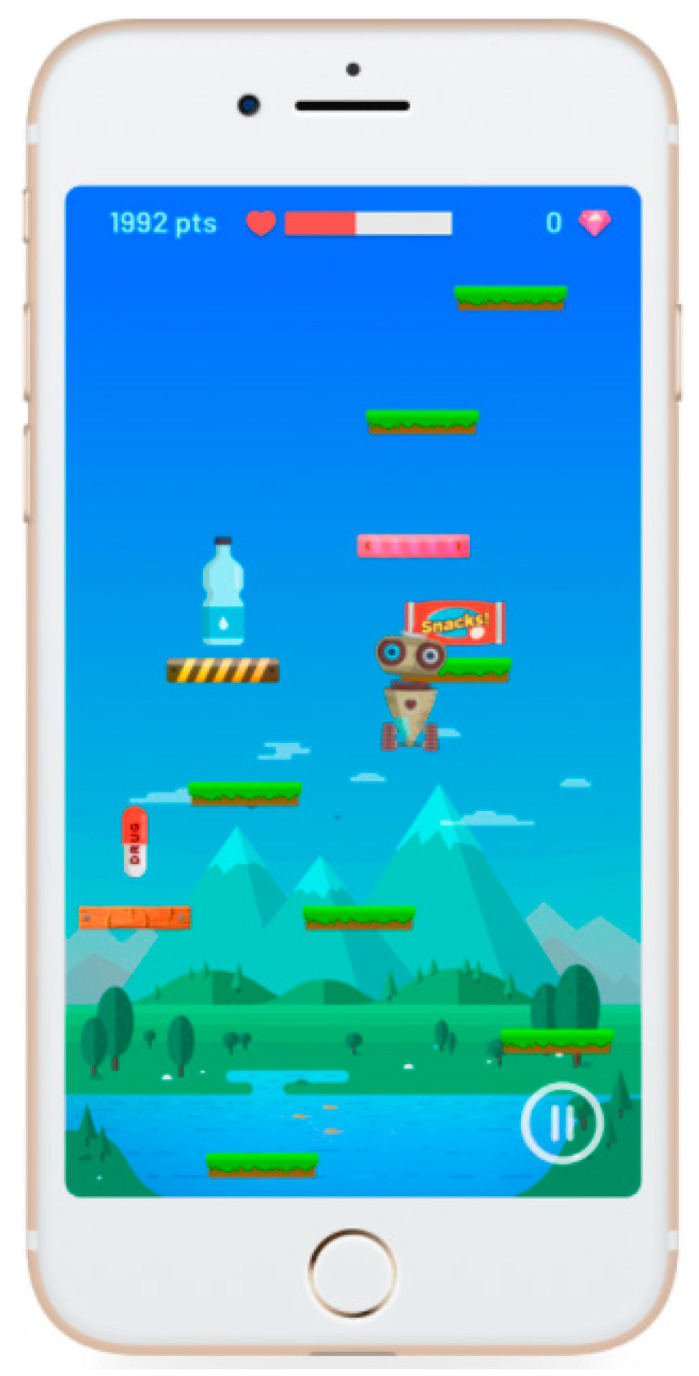
The new pandemic-lockdown situation has caused empowerment of new technologies; mobile phones and computers have gained further importance. Homes have become the new educators of health since health education has decreased or stopped during the pandemic. The lack of knowledge in the child and adolescent population about how to incorporate healthy habits in their daily lives, along with the rise of health devices and the introduction of healthcare in the syllabus, has led to the realization of the present study. The aim of this study was to identify the relevant health topics in a sample of adolescents for the later development of a mobile application (Healthy Jeart) that promotes the adoption of healthy lifestyle habits in adolescence. The information was gathered through the technique of nominal groups. The sample was recruited by nonprobability purposive sampling, with a total of 92 students from 4 educational centers of the province of Huelva (Spain). According to the obtained results, the most relevant categories were physical wellbeing (40.81%), psychological wellbeing (22.13%), interpersonal relationships and social skills (21.58%), toxic substances and addictions (10.35%) and sex habits (1.83%). This technique allowed identifying and selecting the most relevant content areas of the "Healthy Jeart" application.
新的疫情封锁形势促使新技术得到应用;手机和电脑变得愈发重要。由于疫情期间健康教育减少或停滞,家庭已成为新的健康教育者。儿童和青少年群体缺乏关于如何在日常生活中养成健康习惯的知识,再加上健康设备的兴起以及健康护理内容被纳入教学大纲,促使了本研究的开展。本研究的目的是在青少年样本中确定相关的健康主题,以便随后开发一款促进青少年养成健康生活方式习惯的移动应用程序(健康之心)。信息通过名义小组技术收集。样本通过非概率立意抽样选取,共有来自西班牙韦尔瓦省4个教育中心的92名学生。根据所得结果,最相关的类别为身体健康(40.81%)、心理健康(22.13%)、人际关系和社交技能(21.58%)、有毒物质和成瘾(10.35%)以及性习惯(1.83%)。该技术有助于识别和选择“健康之心”应用程序最相关的内容领域。