Renaissance School of Medicine, Stony Brook University, Stony Brook, New York, USA.
G. H. Sergievsky Center, Vagelos College of Physicians and Surgeons, Columbia University, New York, New York, USA.
Epilepsia. 2021 May;62(5):1220-1230. doi: 10.1111/epi.16889. Epub 2021 Apr 4.
This study evaluated factors influencing reproductive decision-making in families containing multiple individuals with epilepsy.
One hundred forty-nine adults with epilepsy and 149 adult biological relatives without epilepsy from families containing multiple affected individuals completed a self-administered questionnaire. Participants answered questions regarding their belief in a genetic cause of epilepsy (genetic attribution) and estimated risk of epilepsy in offspring of an affected person. Participants rated factors for their influence on their reproductive plans, with responses ranging from "much more likely" to "much less likely" to want to have a child. Those with epilepsy were asked, "Do you think you would have wanted more (or any) children if you had not had epilepsy?"
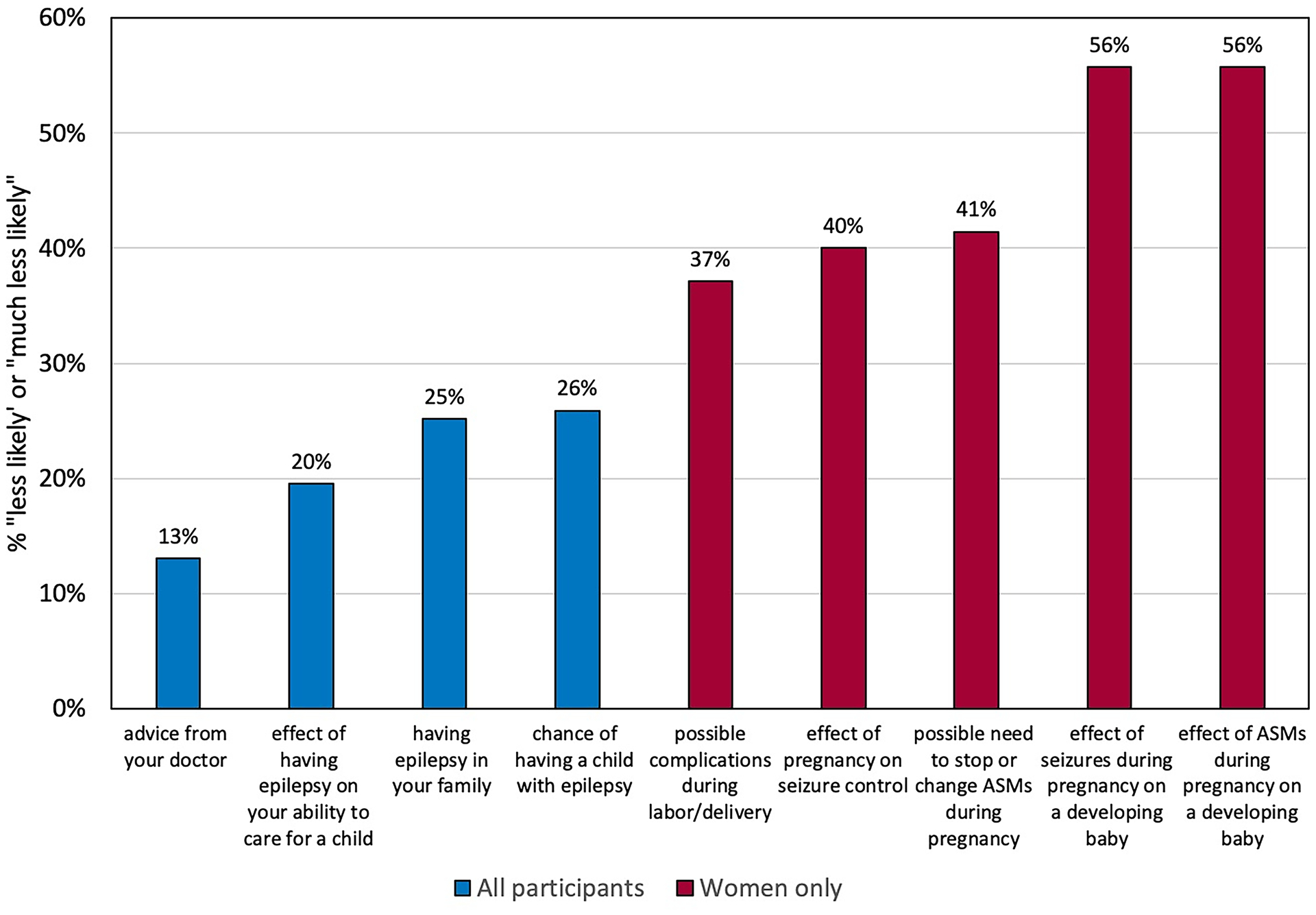
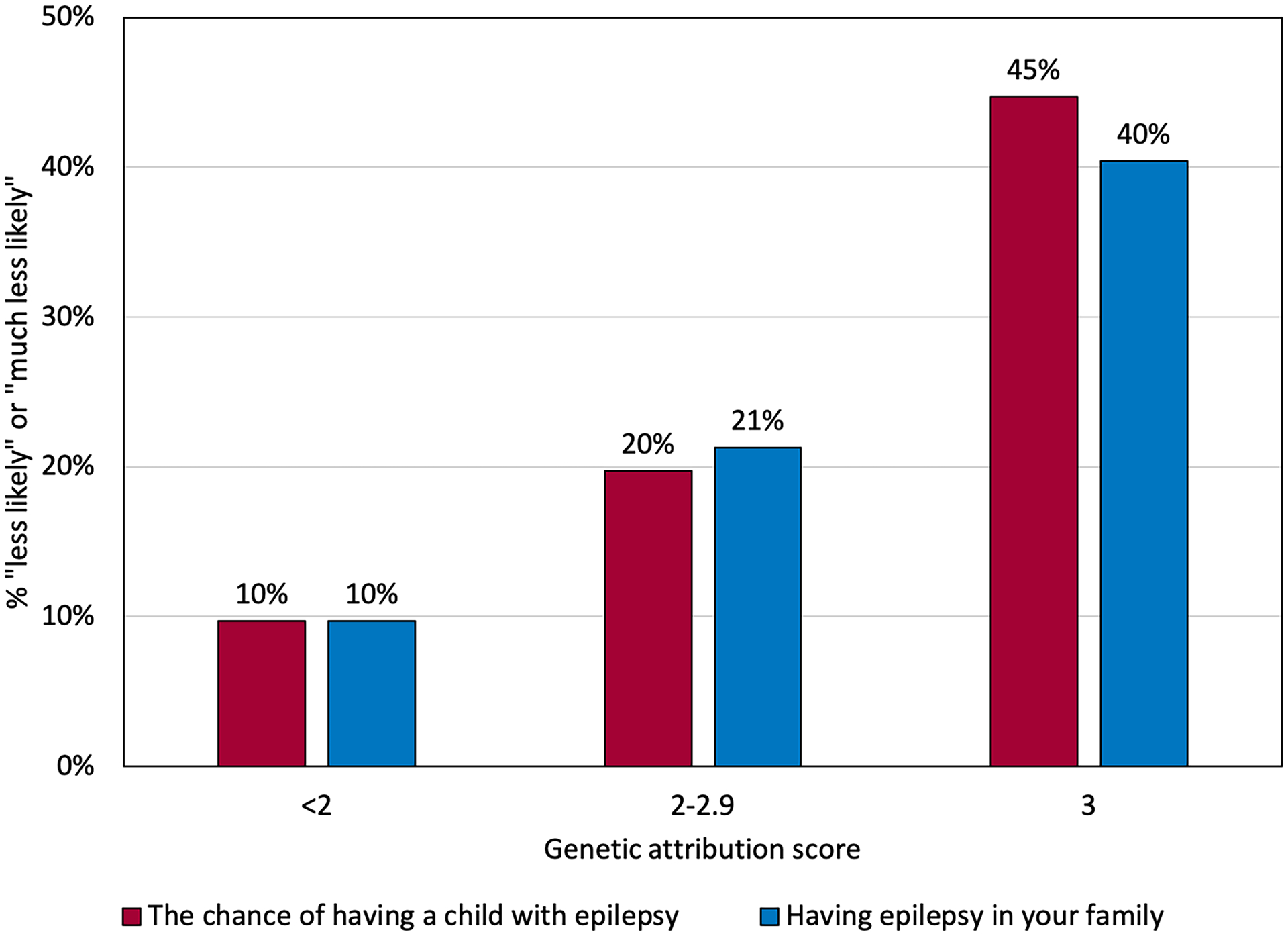
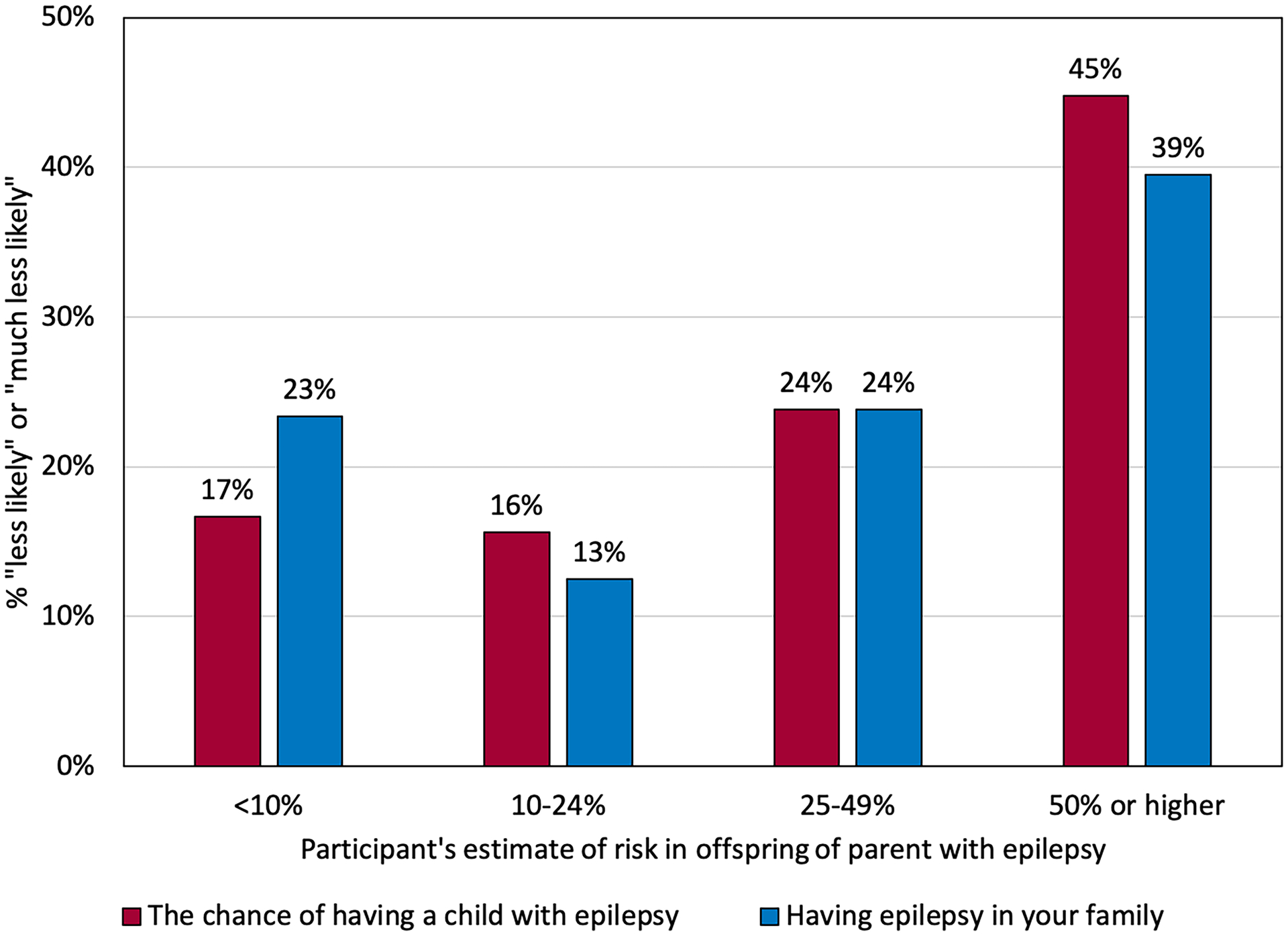
Participants with epilepsy had fewer offspring than their unaffected relatives (mean = 1.2 vs. 1.9, p = .002), and this difference persisted among persons who had been married. Estimates of risk of epilepsy in offspring of an affected parent were higher among participants with epilepsy than among relatives without epilepsy (mean = 27.2 vs. 19.6, p = .002). Nineteen percent of participants with epilepsy responded that they would have wanted more children if they had not had epilepsy. Twenty-five percent of participants with epilepsy responded that "the chance of having a child with epilepsy" or "having epilepsy in your family" made them less likely to want to have a child. Having these genetic concerns was significantly associated with greater genetic attribution and estimated risk of epilepsy in offspring of an affected parent.
People with epilepsy have fewer children than their biological relatives without epilepsy. Beliefs about genetic causes of epilepsy contribute to concerns and decisions to limit childbearing. These beliefs should be addressed in genetic counseling to ensure that true risks to offspring and reproductive options are well understood.
本研究评估了影响多个癫痫患者家庭生殖决策的因素。
149 名癫痫患者和 149 名来自多个癫痫患者家庭的无癫痫病史的成年亲属完成了一份自我管理问卷。参与者回答了关于他们对癫痫遗传原因的信念(遗传归因)和受影响个体后代癫痫风险的估计问题。参与者对影响他们生殖计划的因素进行了评分,从“更有可能”到“不太可能”想要孩子。癫痫患者被问到:“如果您没有癫痫,您是否认为您会想要更多(或任何)孩子?”
癫痫患者的子女比无癫痫病史的亲属少(平均=1.2 对 1.9,p=0.002),这种差异在已婚人群中仍然存在。受影响父母的子女癫痫风险的估计值在癫痫患者中高于无癫痫病史的亲属(平均=27.2 对 19.6,p=0.002)。19%的癫痫患者回答说,如果他们没有癫痫,他们会想要更多的孩子。25%的癫痫患者表示,“孩子患癫痫的机会”或“家庭中有癫痫”使他们不太想生孩子。这些遗传担忧与更大的遗传归因和受影响父母后代癫痫风险的估计值显著相关。
癫痫患者的子女比无癫痫病史的亲属少。对癫痫遗传原因的信念会导致对生育的担忧和限制生育的决定。在遗传咨询中应解决这些问题,以确保充分了解对后代的真实风险和生殖选择。