Müller Claudia, Crowe-McAuliffe Caillan, Wilson Daniel N
Institute for Biochemistry and Molecular Biology, University of Hamburg, Hamburg, Germany.
Front Microbiol. 2021 Mar 18;12:652980. doi: 10.3389/fmicb.2021.652980. eCollection 2021.
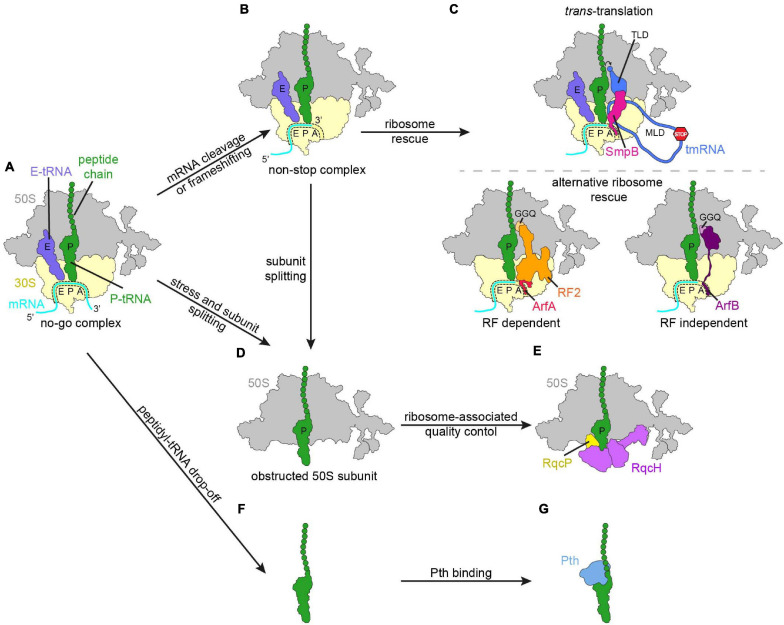
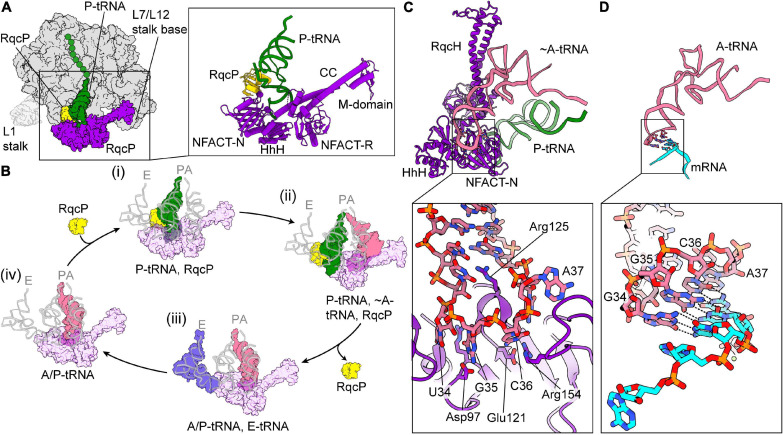
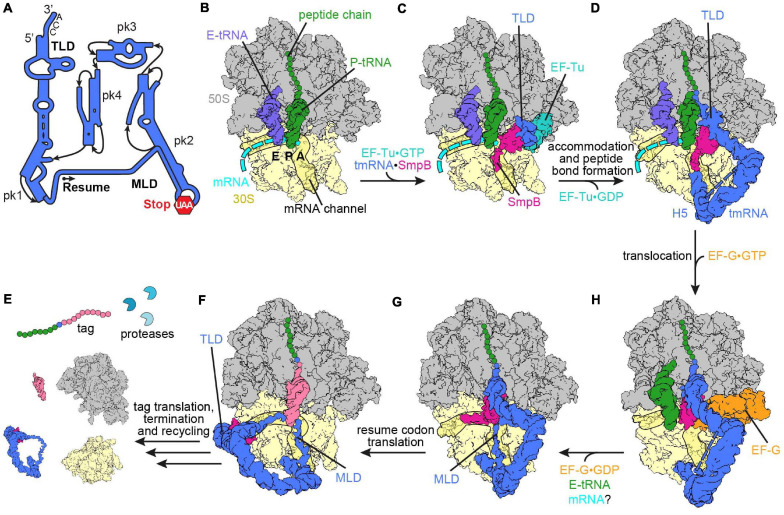
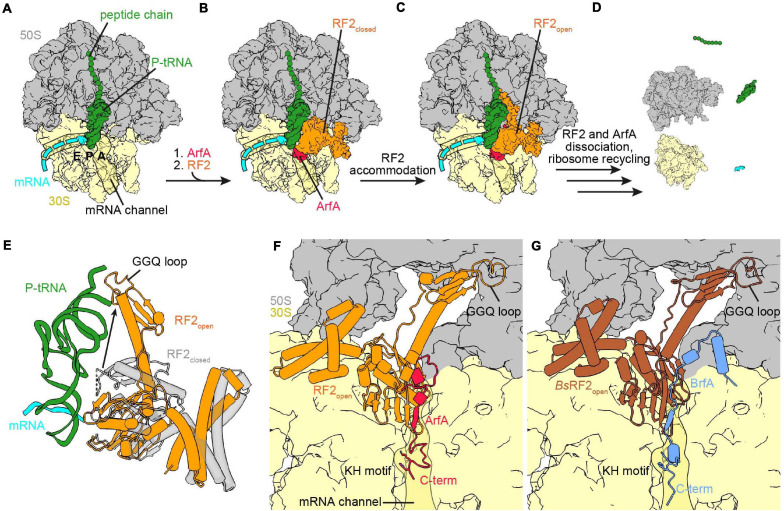
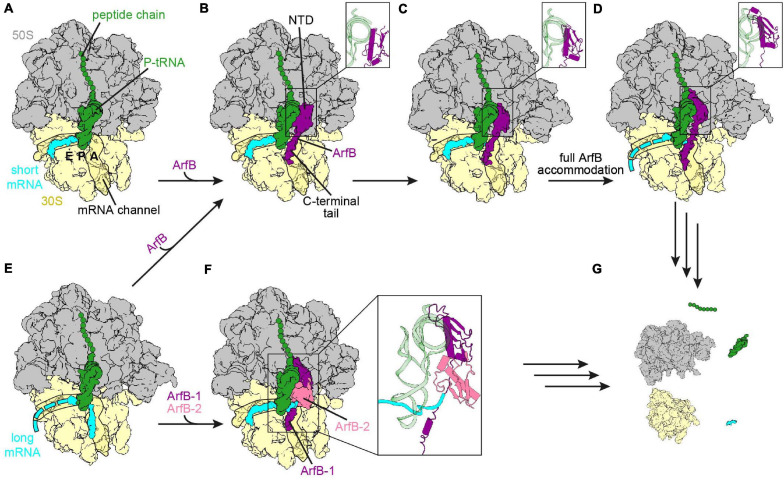
Ribosomes that become stalled on truncated or damaged mRNAs during protein synthesis must be rescued for the cell to survive. Bacteria have evolved a diverse array of rescue pathways to remove the stalled ribosomes from the aberrant mRNA and return them to the free pool of actively translating ribosomes. In addition, some of these pathways target the damaged mRNA and the incomplete nascent polypeptide chain for degradation. This review highlights the recent developments in our mechanistic understanding of bacterial ribosomal rescue systems, including drop-off, -translation mediated by transfer-messenger RNA and small protein B, ribosome rescue by the alternative rescue factors ArfA and ArfB, as well as ribosome rescue factor A, an additional rescue system found in some Gram-positive bacteria, such as . Finally, we discuss the recent findings of ribosome-associated quality control in particular bacterial lineages mediated by RqcH and RqcP. The importance of rescue pathways for bacterial survival suggests they may represent novel targets for the development of new antimicrobial agents against multi-drug resistant pathogenic bacteria.
在蛋白质合成过程中,那些在截短或受损的信使核糖核酸(mRNA)上停滞的核糖体必须被拯救,细胞才能存活。细菌已经进化出多种拯救途径,以将停滞的核糖体从异常的mRNA上移除,并使其回到活跃翻译的核糖体的自由池中。此外,其中一些途径还会将受损的mRNA和不完整的新生多肽链作为降解目标。本综述重点介绍了我们对细菌核糖体拯救系统机制理解的最新进展,包括脱落、由转移信使核糖核酸和小蛋白B介导的翻译、由替代拯救因子ArfA和ArfB进行的核糖体拯救,以及在一些革兰氏阳性细菌(如……)中发现的另一种拯救系统——核糖体拯救因子A。最后,我们讨论了由RqcH和RqcP介导的特定细菌谱系中核糖体相关质量控制的最新发现。拯救途径对细菌生存的重要性表明,它们可能代表了针对多重耐药病原菌开发新型抗菌剂的新靶点。