Life Science and Engineering, Virginia Commonwealth University, Richmond, Virginia, United States of America.
Department of Biological Sciences, University of Rhode Island, Kingston, Rhode Island, United States of America.
PLoS One. 2021 Apr 8;16(4):e0248953. doi: 10.1371/journal.pone.0248953. eCollection 2021.
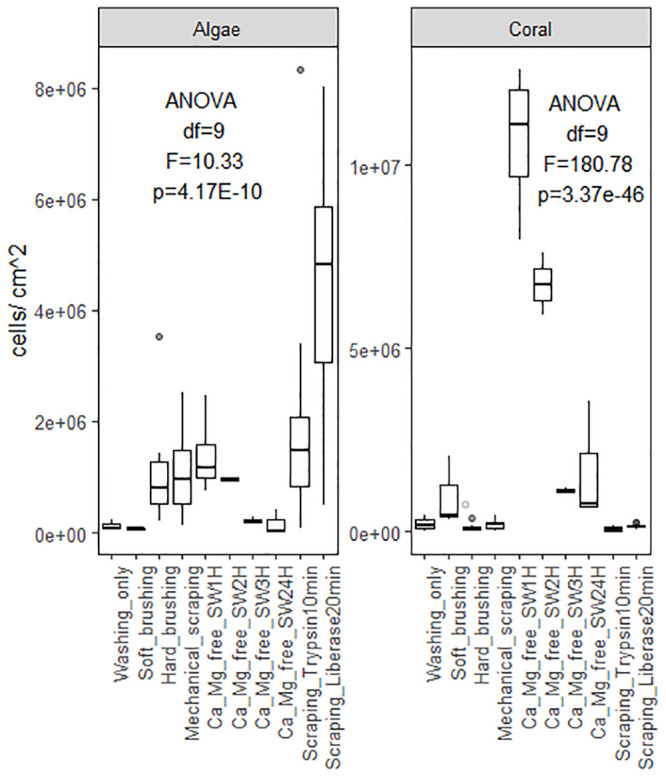
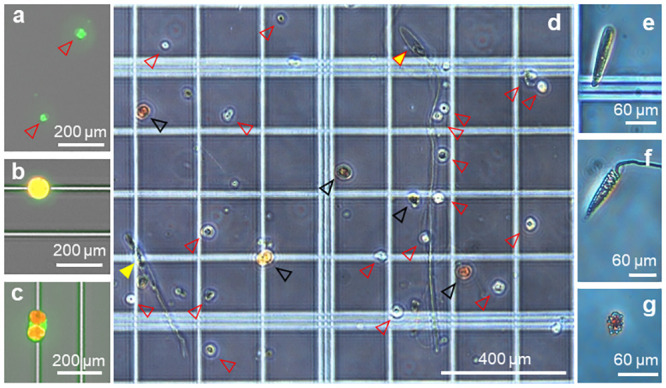
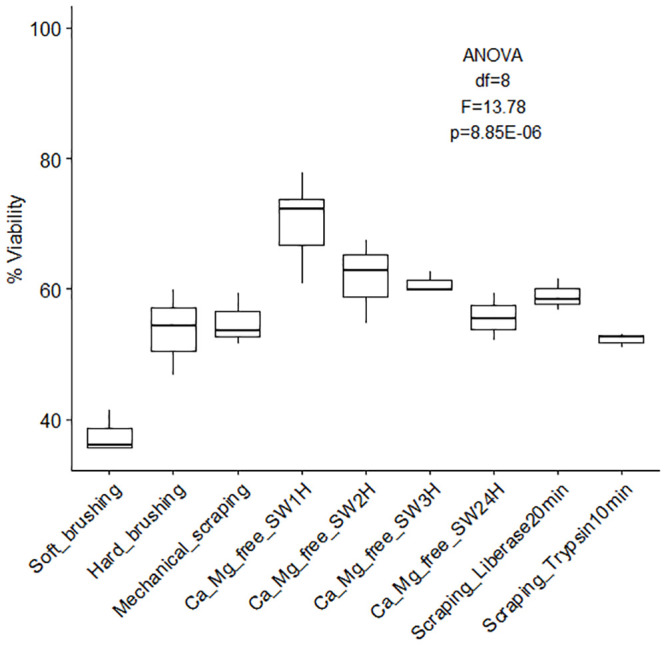
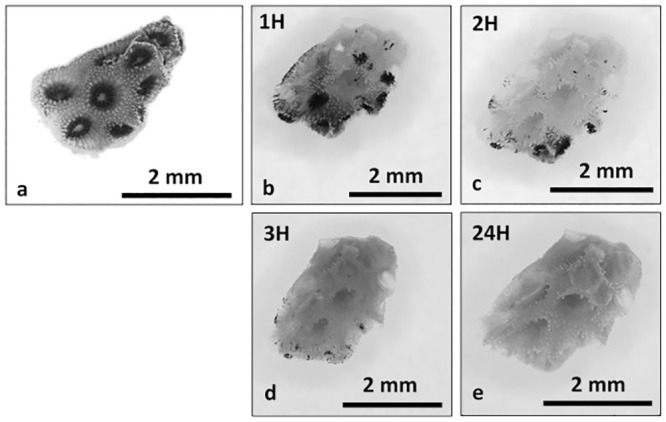
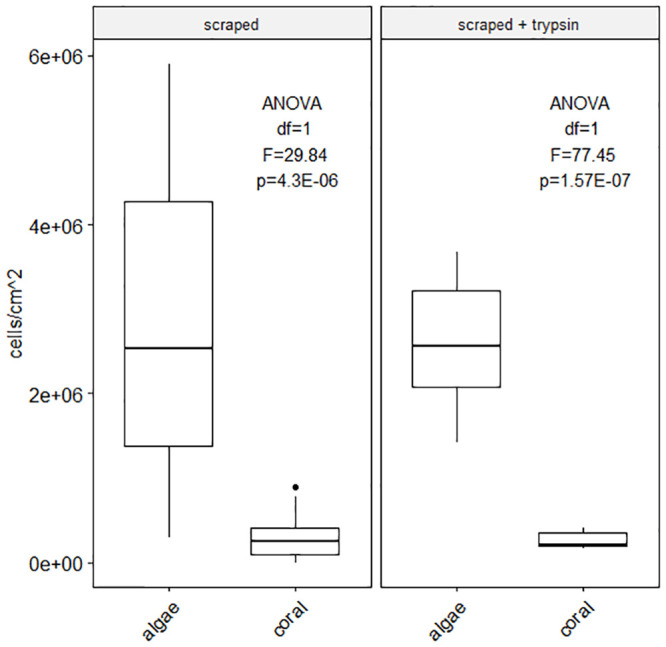
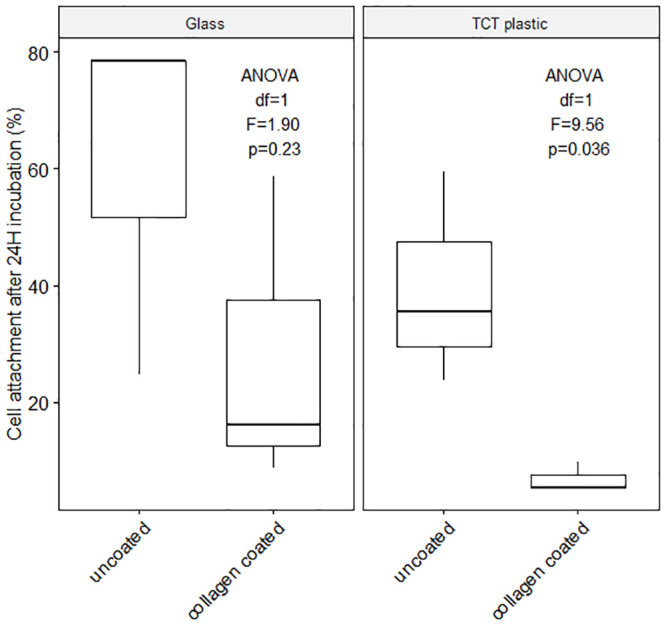
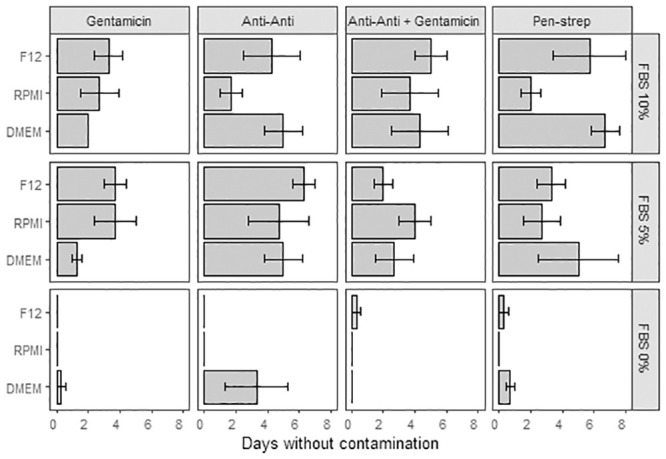
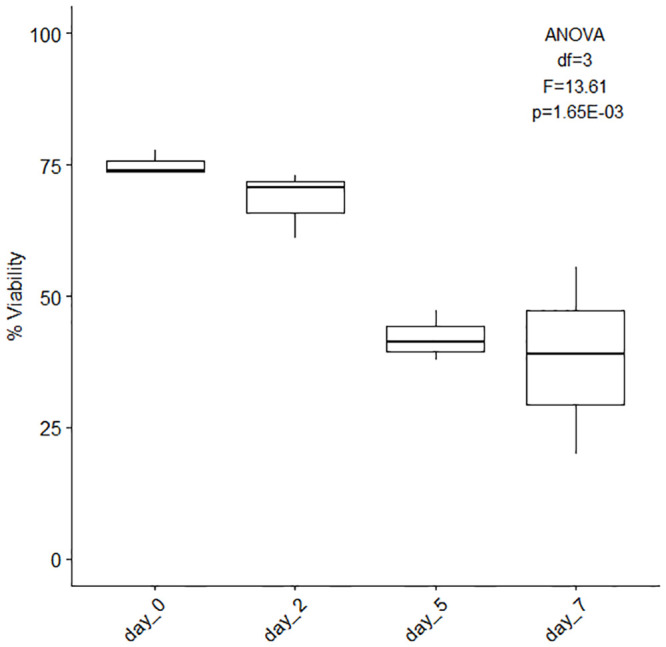
Model systems approaches search for commonality in patterns underlying biological diversity and complexity led by common evolutionary paths. The success of the approach does not rest on the species chosen but on the scalability of the model and methods used to develop the model and engage research. Fine-tuning approaches to improve coral cell cultures will provide a robust platform for studying symbiosis breakdown, the calcification mechanism and its disruption, protein interactions, micronutrient transport/exchange, and the toxicity of nanoparticles, among other key biological aspects, with the added advantage of minimizing the ethical conundrum of repeated testing on ecologically threatened organisms. The work presented here aimed to lay the foundation towards development of effective methods to sort and culture reef-building coral cells with the ultimate goal of obtaining immortal cell lines for the study of bleaching, disease and toxicity at the cellular and polyp levels. To achieve this objective, the team conducted a thorough review and tested the available methods (i.e. cell dissociation, isolation, sorting, attachment and proliferation). The most effective and reproducible techniques were combined to consolidate culture methods and generate uncontaminated coral cell cultures for ~7 days (10 days maximum). The tests were conducted on scleractinian corals Pocillopora acuta of the same genotype to harmonize results and reduce variation linked to genetic diversity. The development of cell separation and identification methods in conjunction with further investigations into coral cell-type specific metabolic requirements will allow us to tailor growth media for optimized monocultures as a tool for studying essential reef-building coral traits such as symbiosis, wound healing and calcification at multiple scales.
模型系统方法通过共同的进化途径,寻找生物多样性和复杂性背后的模式共性。这种方法的成功与否并不取决于所选择的物种,而是取决于模型的可扩展性以及用于开发模型和开展研究的方法。微调方法以改善珊瑚细胞培养将为研究共生关系破裂、钙化机制及其破坏、蛋白质相互作用、微量营养素运输/交换以及纳米颗粒的毒性等关键生物学方面提供一个强大的平台,此外还可以最大限度地减少对生态受到威胁的生物体进行重复测试的伦理难题。这里介绍的工作旨在为开发有效的方法奠定基础,以对造礁珊瑚细胞进行分类和培养,最终目的是获得用于研究白化病、疾病和毒性的永生细胞系,研究对象为细胞和息肉水平。为了实现这一目标,该团队进行了全面的审查并测试了现有的方法(即细胞分离、分离、分类、附着和增殖)。将最有效和可重复的技术结合起来,以整合培养方法并生成无污染的珊瑚细胞培养物,培养时间约为 7 天(最长 10 天)。测试是在同种基因型的石珊瑚 Pocillopora acuta 上进行的,以协调结果并减少与遗传多样性相关的变化。细胞分离和鉴定方法的发展以及对珊瑚细胞类型特定代谢需求的进一步研究,将使我们能够为优化的单培养物定制生长培养基,作为研究重要的造礁珊瑚特性(如共生、伤口愈合和钙化)的工具,这些特性可以在多个尺度上进行研究。