Department of Respiratory, Qinghai University Affiliated Hospital.
Qinghai University Affiliated Hospital, Xining.
Medicine (Baltimore). 2021 Apr 9;100(14):e25287. doi: 10.1097/MD.0000000000025287.
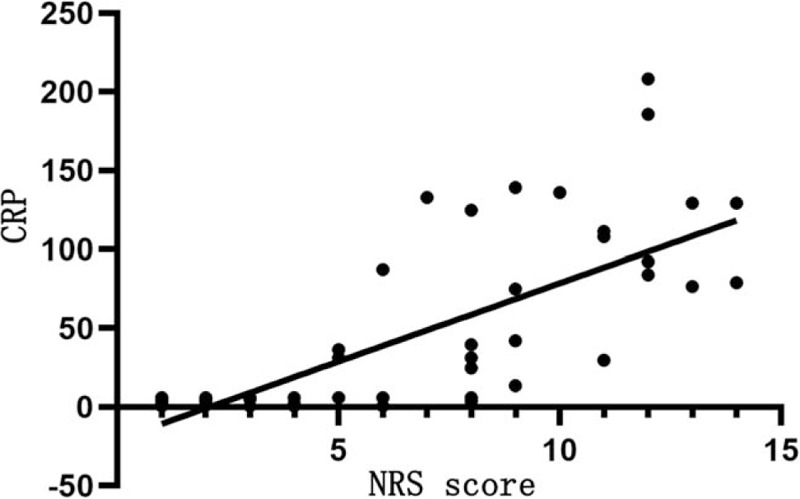
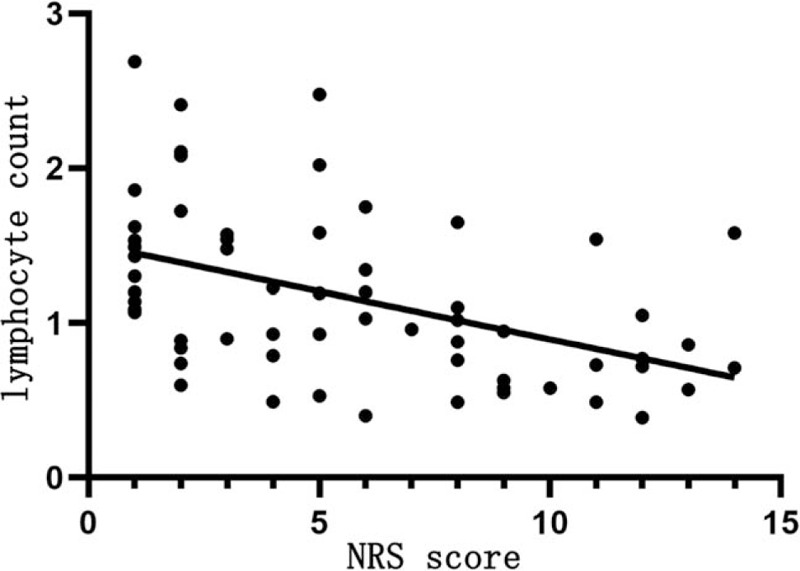
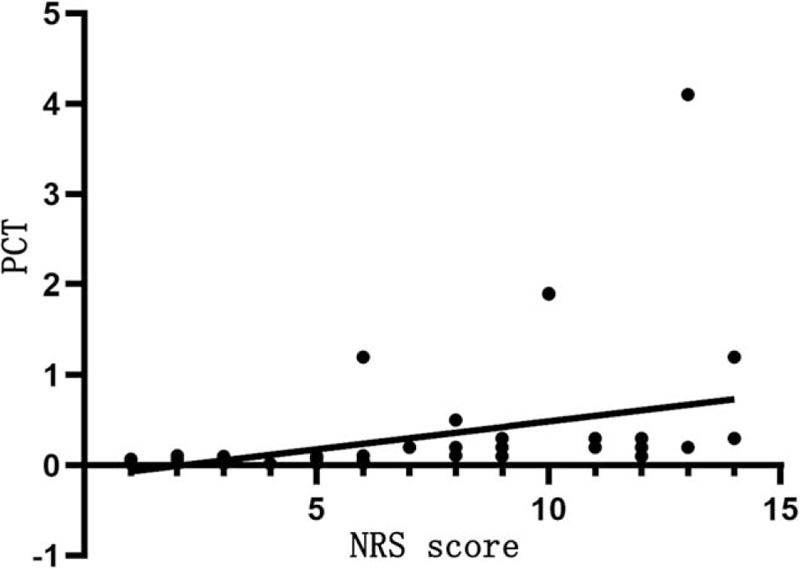
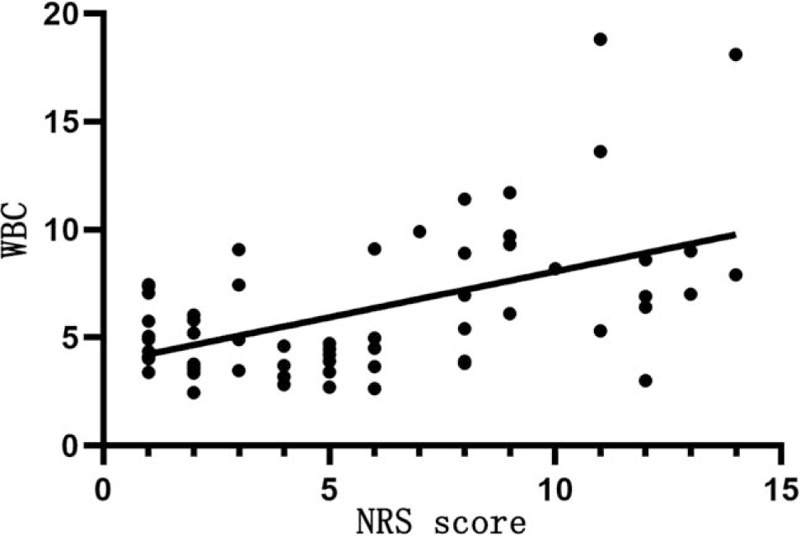
It is important for patients to maintain a good nutritional status as a health promotion strategy to improve the immune function and thus the prognosis of coronavirus disease 2019 (COVID-19).The objective of this retrospective study is to analyze the relationships of nutritional status with inflammation levels, protein reserves, baseline immune status, severity, length of hospital stay, and prognosis of COVID-19 patients.A total of 63 COVID-19 patients hospitalized in the People's Hospital and the Traditional Chinese Medicine Hospital of the Xinzhou District, Wuhan, China, from January 29, 2020 to March 17, 2020. Sixty-three patients were divided into 3 groups according to the guidelines, moderate (n = 22), severe (n = 14), and critical (n = 25), respectively. The differences in the total nutrition risk screening (NRS) score, inflammation level, protein reserve, baseline immune status, length of hospital stay, and prognosis were compared among patients with moderate, severe, and critical COVID-19.Patients with higher NRS scores tend to have more severe COVID-19, higher C-reactive protein and serum procalcitonin levels, higher white blood cell counts, lower lymphocyte counts, and higher mortality rates (P < .05).Nutritional status may be an indirect factor of the severity and prognosis of COVID-19.
对于患者来说,保持良好的营养状况是促进健康的一种策略,可改善免疫功能,从而改善 2019 年冠状病毒病(COVID-19)的预后。本回顾性研究的目的是分析营养状况与炎症水平、蛋白质储备、基线免疫状态、严重程度、住院时间和 COVID-19 患者预后的关系。
本研究共纳入 2020 年 1 月 29 日至 3 月 17 日期间在中国武汉市新洲区人民医院和中医院住院的 63 例 COVID-19 患者。根据指南,63 例患者分为 3 组,分别为轻症(n=22)、重症(n=14)和危重症(n=25)。比较了中、重症 COVID-19 患者之间的总营养风险筛查(NRS)评分、炎症水平、蛋白质储备、基线免疫状态、住院时间和预后的差异。
NRS 评分较高的患者往往患有更严重的 COVID-19,C 反应蛋白和血清降钙素原水平更高,白细胞计数更高,淋巴细胞计数更低,死亡率更高(P<0.05)。
营养状况可能是 COVID-19 严重程度和预后的间接因素。