Karki Nabin Raj, Kutlar Abdullah
Division of Hematology/Oncology, Augusta University, Augusta, GA, USA.
J Pain Res. 2021 Mar 30;14:849-856. doi: 10.2147/JPR.S278285. eCollection 2021.
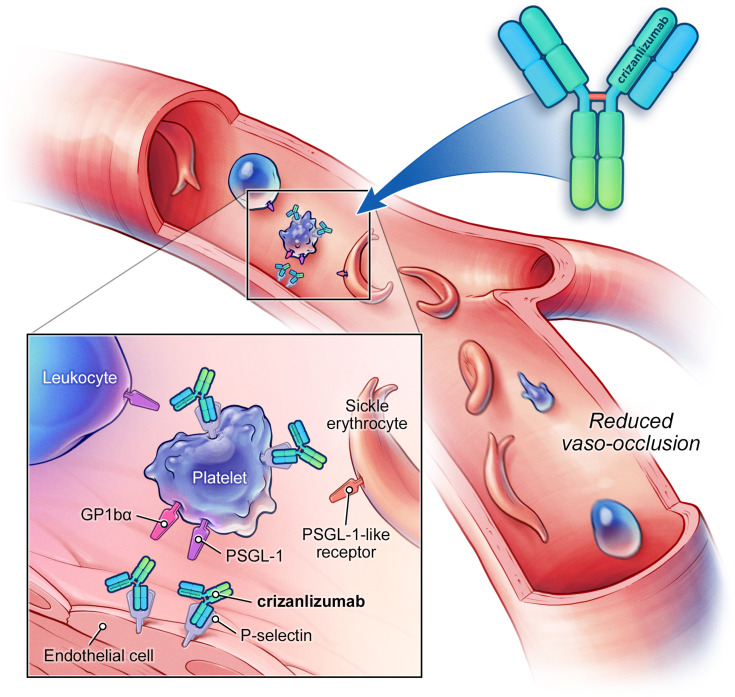
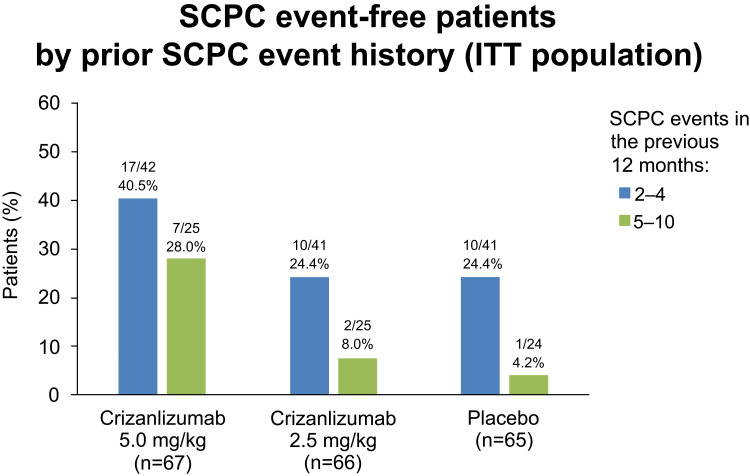
Microvascular vaso-occlusion driven pain crisis is the hallmark of sickle cell disease with profound morbidity and increased mortality. Selectins, most notably P-selectins have an integral role in this phenomenon. P-selection was first identified in 1989. In 2019, after 3 decades of basic, translational, and clinical work with this pathway, the US Food and Drug Administration approved a P-selectin antibody, crizanlizumab to reduce frequency of pain crisis in patients more than 16 years with sickle cell disease. We review the fundamentals of P-selectin pathobiology, P-selectin blocking agents, clinical data with the use of crizanlizumab and prospects of this novel class of drugs in the context of other treatments for painful vaso-occlusive episodes.
微血管血管阻塞引发的疼痛危象是镰状细胞病的标志,具有严重的发病率和死亡率上升。选择素,尤其是P-选择素在这一现象中起着不可或缺的作用。P-选择素于1989年首次被发现。2019年,在对该通路进行了30年的基础、转化和临床研究后,美国食品药品监督管理局批准了一种P-选择素抗体——crizanlizumab,以降低16岁以上镰状细胞病患者疼痛危象的发生频率。我们回顾了P-选择素病理生物学的基本原理、P-选择素阻断剂、使用crizanlizumab的临床数据以及这类新型药物在治疗疼痛性血管阻塞发作的其他治疗方法背景下的前景。