Department of Quantum and Computer Engineering, Faculty of Electrical Engineering, Mathematics and Computer Science, Delft University of Technology, Delft, The Netherlands.
Department of Informatics Engineering, Faculty of Engineering, University of Porto, Porto, Portugal.
PLoS One. 2021 Apr 12;16(4):e0249850. doi: 10.1371/journal.pone.0249850. eCollection 2021.
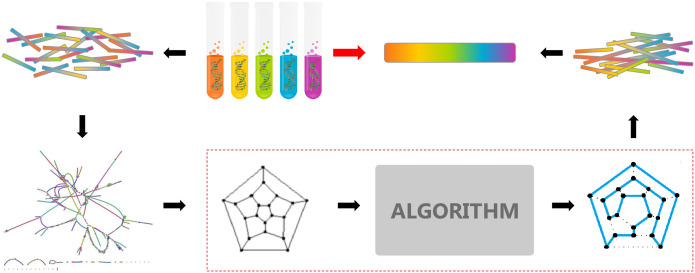
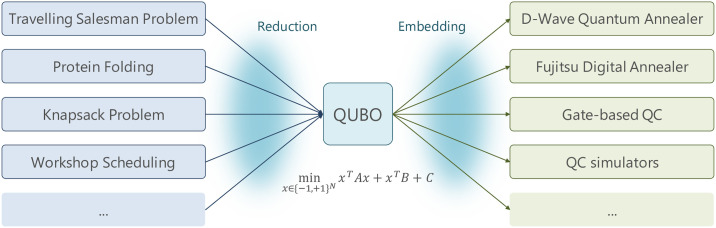
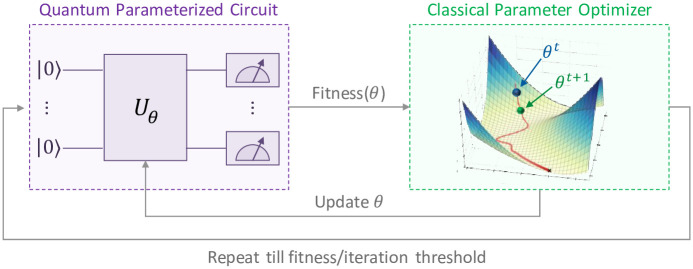
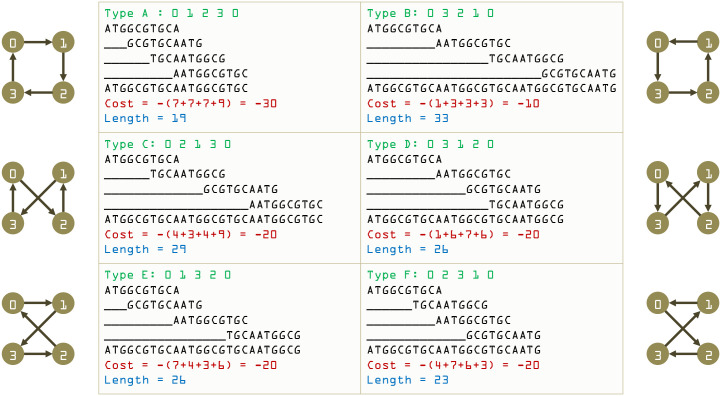
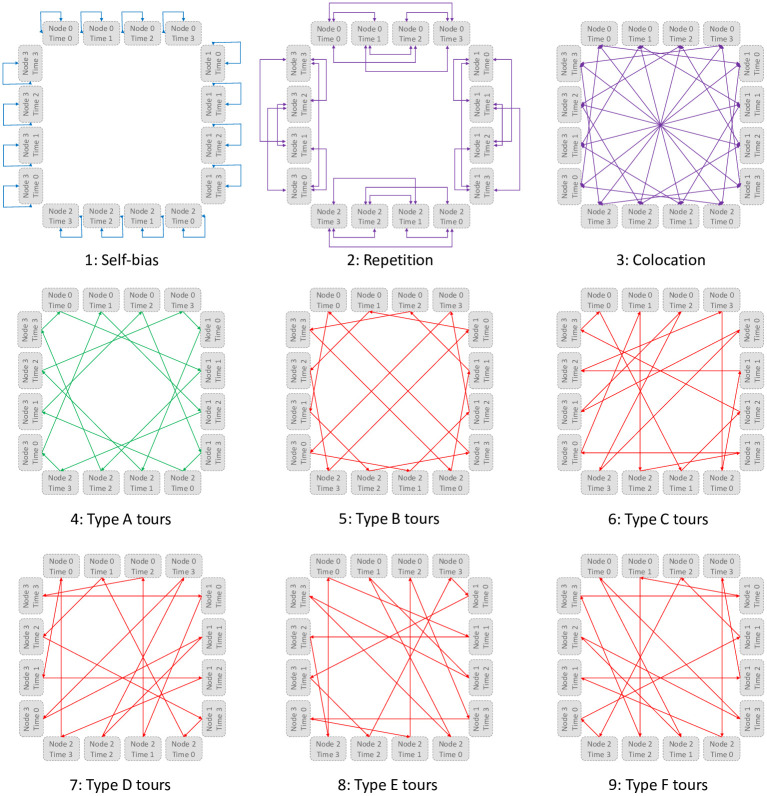
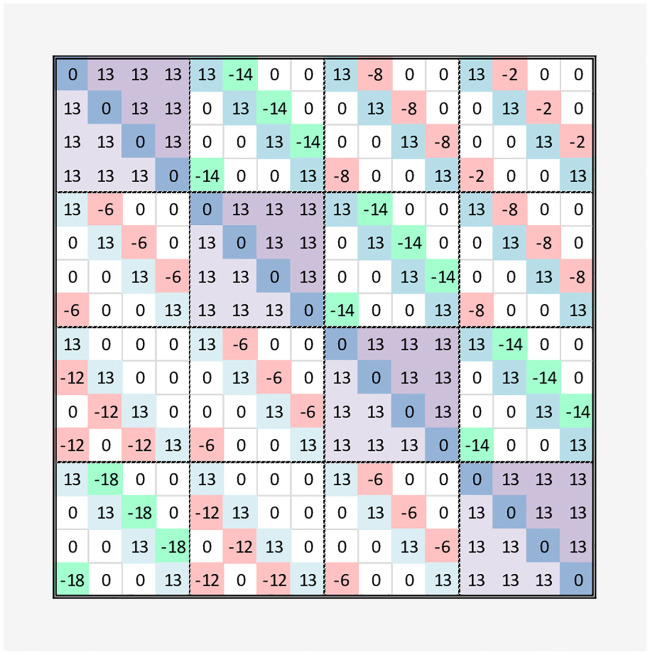
In this article, we present QuASeR, a reference-free DNA sequence reconstruction implementation via de novo assembly on both gate-based and quantum annealing platforms. This is the first time this important application in bioinformatics is modeled using quantum computation. Each one of the four steps of the implementation (TSP, QUBO, Hamiltonians and QAOA) is explained with a proof-of-concept example to target both the genomics research community and quantum application developers in a self-contained manner. The implementation and results on executing the algorithm from a set of DNA reads to a reconstructed sequence, on a gate-based quantum simulator, the D-Wave quantum annealing simulator and hardware are detailed. We also highlight the limitations of current classical simulation and available quantum hardware systems. The implementation is open-source and can be found on https://github.com/QE-Lab/QuASeR.
在本文中,我们提出了 QuASeR,这是一种通过门控和量子退火平台上的从头组装实现的无参考 DNA 序列重建实现。这是首次使用量子计算对生物信息学中的这一重要应用进行建模。实现的四个步骤(TSP、QUBO、哈密顿量和 QAOA)中的每一个都用概念验证示例进行了解释,以自包含的方式针对基因组学研究社区和量子应用开发人员。详细介绍了在基于门的量子模拟器、D-Wave 量子退火模拟器和硬件上从一组 DNA 读取执行算法到重建序列的实现和结果。我们还强调了当前经典模拟和可用量子硬件系统的局限性。该实现是开源的,可以在 https://github.com/QE-Lab/QuASeR 上找到。