Boyer David S, Rippmann Joerg F, Ehrlich Michael S, Bakker Remko A, Chong Victor, Nguyen Quan Dong
Retina-Vitreous Associates Medical Group, Los Angeles, CA, USA.
CardioMetabolic Diseases Research, Boehringer Ingelheim Pharma, Biberach an der Riss, Germany.
Int J Retina Vitreous. 2021 Apr 12;7(1):30. doi: 10.1186/s40942-021-00288-7.
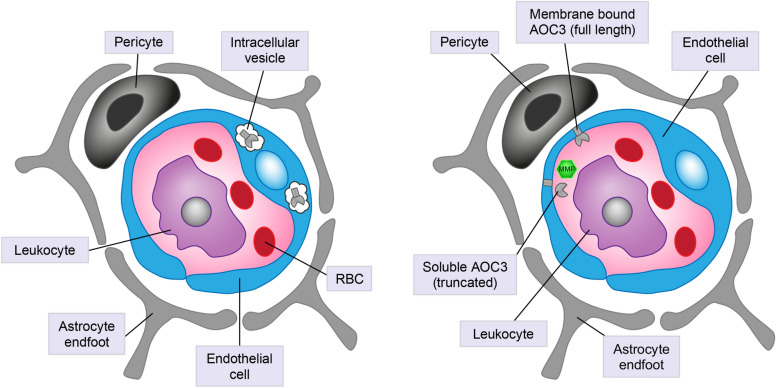
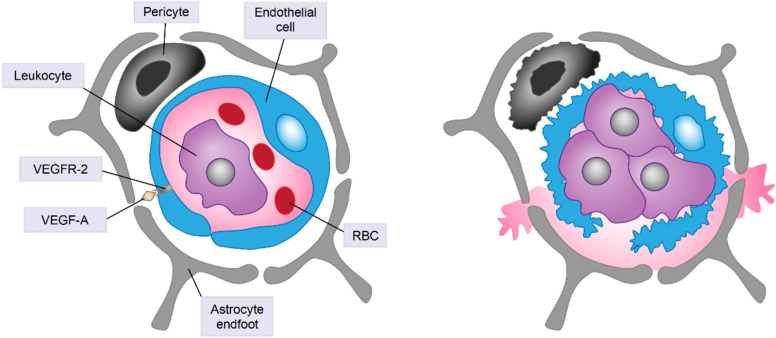
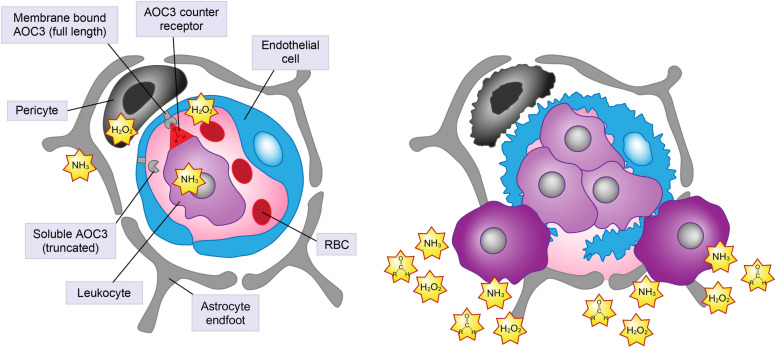
Diabetic retinopathy (DR), a microvascular complication of diabetes, is the leading cause of visual impairment in people aged 20-65 years and can go undetected until vision is irreversibly lost. There is a need for treatments for non-proliferative diabetic retinopathy (NPDR) which, in comparison with current intravitreal (IVT) injections, offer an improved risk-benefit ratio and are suitable for the treatment of early stages of disease, during which there is no major visual impairment. Efficacious systemic therapy for NPDR, including oral treatment, would be an important and convenient therapeutic approach for patients and physicians and would reduce treatment burden. In this article, we review the rationale for the investigation of amine oxidase copper-containing 3 (AOC3), also known as semicarbazide-sensitive amine oxidase and vascular adhesion protein 1 (VAP1), as a novel target for the early treatment of moderate to severe NPDR. AOC3 is a membrane-bound adhesion protein that facilitates the binding of leukocytes to the retinal endothelium. Adherent leukocytes reduce blood flow and in turn rupture blood vessels, leading to ischemia and edema. AOC3 inhibition reduces leukocyte recruitment and is predicted to decrease the production of reactive oxygen species, thereby correcting the underlying hypoxia, ischemia, and edema seen in DR, as well as improving vascular function.
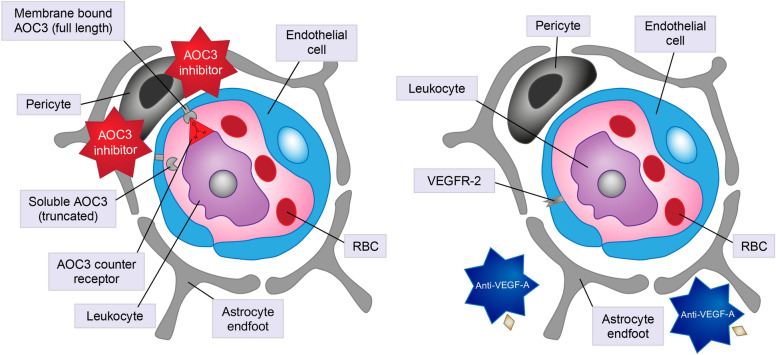
There is substantial unmet need for convenient, non-invasive treatments targeting moderately severe and severe NPDR to reduce progression and preserve vision. The existing pharmacotherapies (IVT corticosteroids and IVT anti-vascular endothelial growth factor-A) target inflammation and angiogenesis, respectively. Unlike these treatments, AOC3 inhibition is predicted to address the underlying hypoxia and ischemia seen in DR. AOC3 inhibitors represent a promising therapeutic strategy for treating patients with DR and could offer greater choice and reduce treatment burden, with the potential to improve patient compliance.
糖尿病视网膜病变(DR)是糖尿病的一种微血管并发症,是20至65岁人群视力损害的主要原因,在视力不可逆转地丧失之前可能未被发现。需要针对非增殖性糖尿病视网膜病变(NPDR)的治疗方法,与目前的玻璃体内(IVT)注射相比,其风险效益比更高,适用于疾病早期治疗,此时尚无严重视力损害。包括口服治疗在内的NPDR有效全身治疗方法,对患者和医生来说将是一种重要且方便的治疗方法,并将减轻治疗负担。在本文中,我们综述了将含铜胺氧化酶3(AOC3,也称为氨基脲敏感胺氧化酶和血管粘附蛋白1(VAP1))作为中度至重度NPDR早期治疗新靶点进行研究的理论依据。AOC3是一种膜结合粘附蛋白,可促进白细胞与视网膜内皮细胞的结合。粘附的白细胞会减少血流,进而导致血管破裂,引发缺血和水肿。抑制AOC3可减少白细胞募集,并预计可减少活性氧的产生,从而纠正DR中潜在的缺氧、缺血和水肿,同时改善血管功能。
对于方便、非侵入性的治疗方法以靶向中度至重度NPDR从而减少疾病进展并保留视力,存在大量未满足的需求。现有的药物治疗(玻璃体内注射皮质类固醇和玻璃体内注射抗血管内皮生长因子-A)分别针对炎症和血管生成。与这些治疗方法不同,预计抑制AOC3可解决DR中潜在的缺氧和缺血问题。AOC3抑制剂代表了一种有前景的治疗DR患者的策略,可提供更多选择并减轻治疗负担,有可能提高患者的依从性。