CSIRO Oceans and Atmosphere, Aspendale, Victoria, Australia.
School of Mathematics and Statistics, University of Melbourne, Parkville, Victoria, Australia.
PLoS One. 2021 Apr 14;16(4):e0249488. doi: 10.1371/journal.pone.0249488. eCollection 2021.
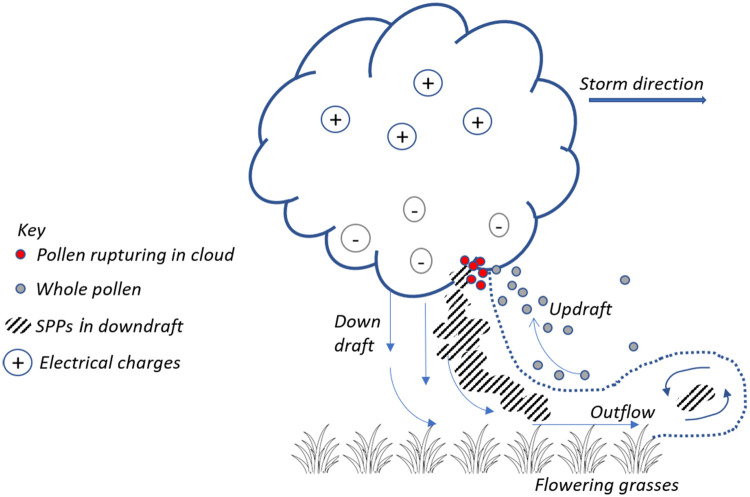
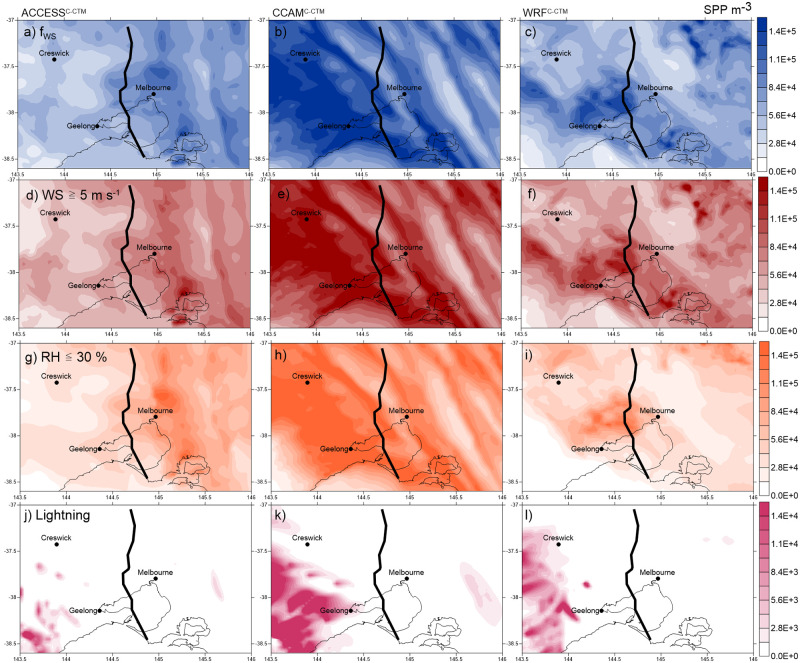
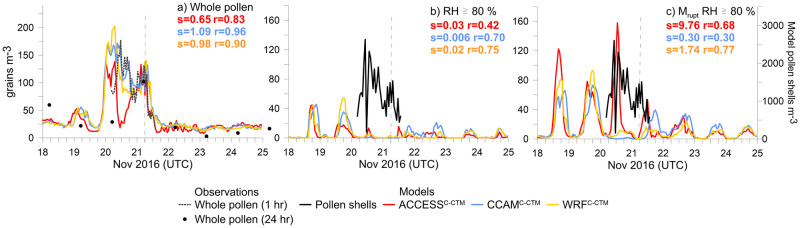
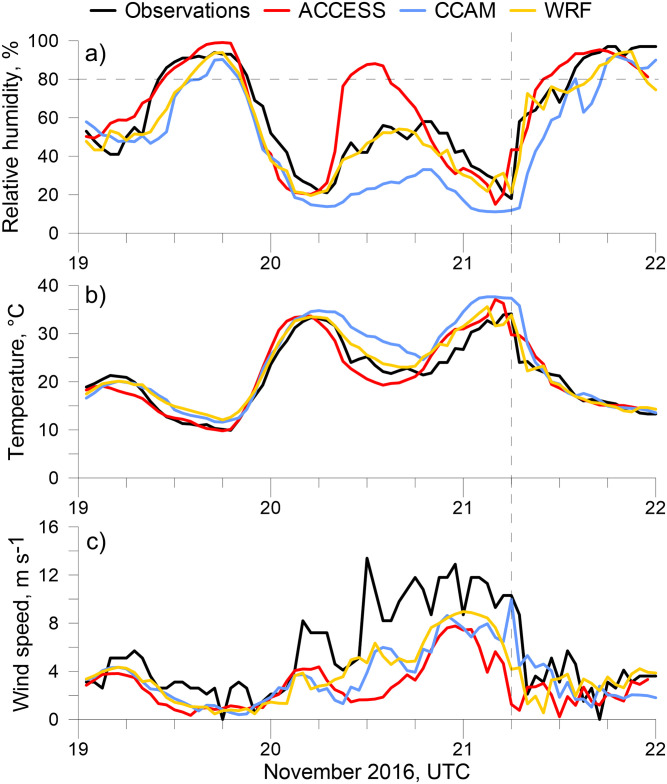
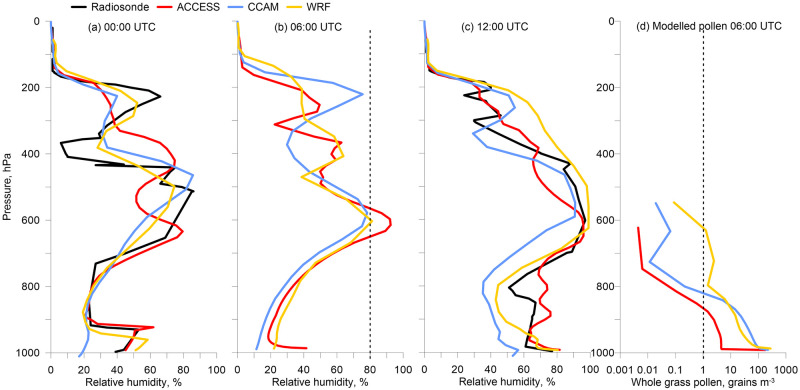
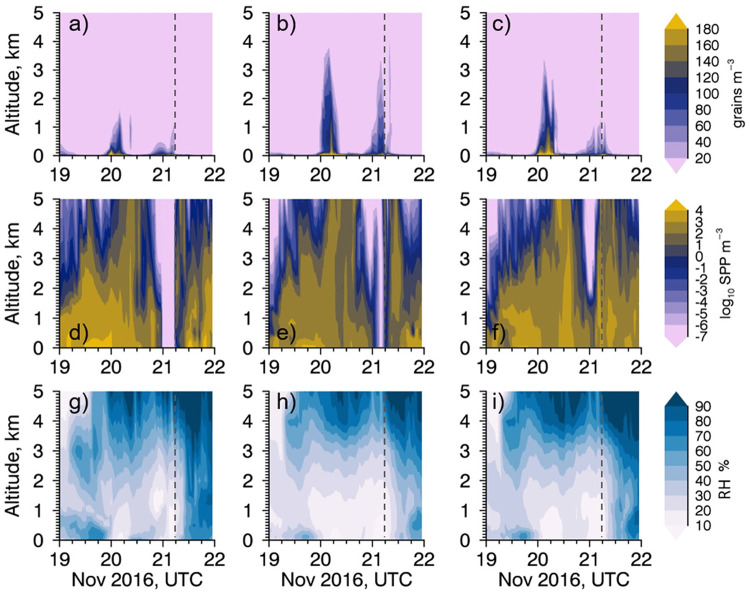
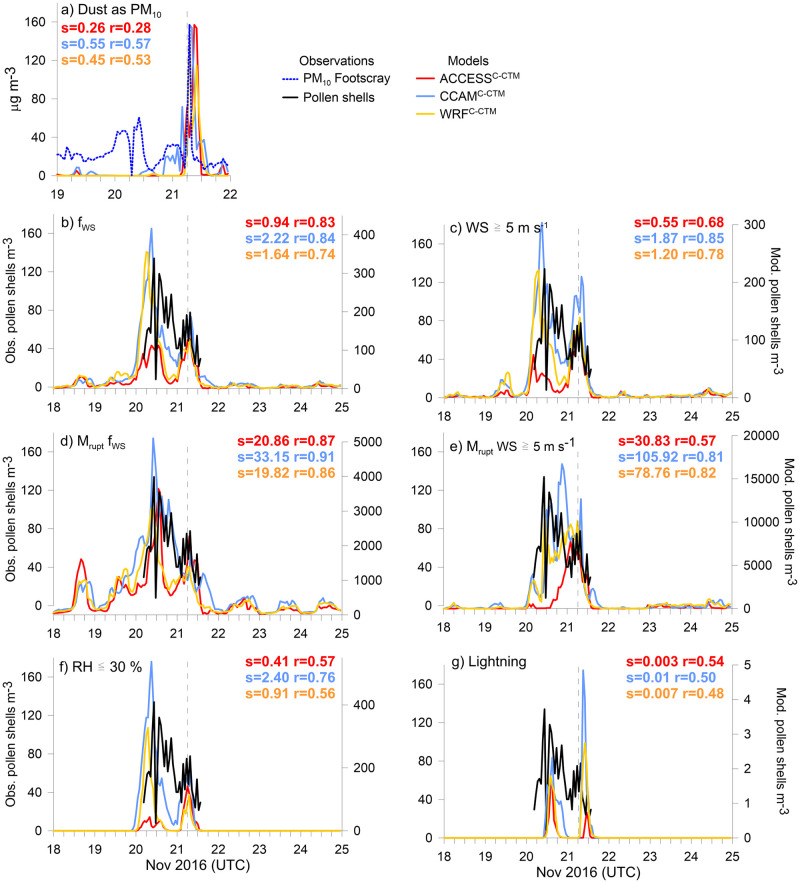
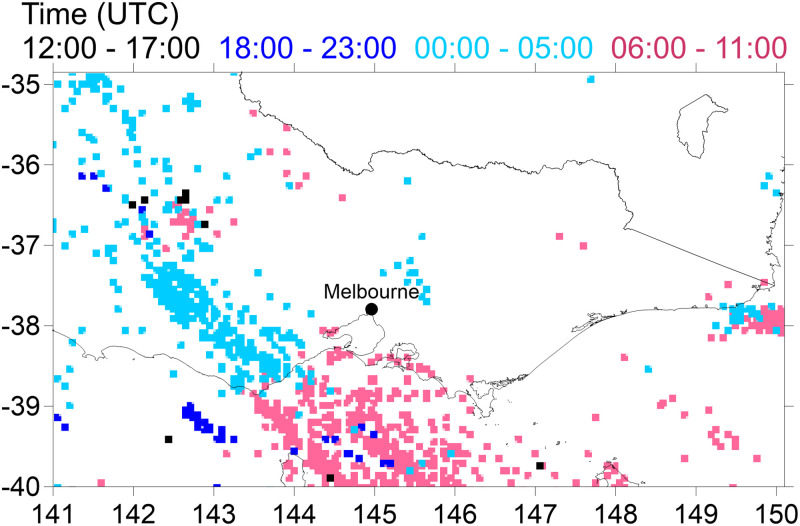
The world's most severe thunderstorm asthma event occurred in Melbourne, Australia on 21 November 2016, coinciding with the peak of the grass pollen season. The aetiological role of thunderstorms in these events is thought to cause pollen to rupture in high humidity conditions, releasing large numbers of sub-pollen particles (SPPs) with sizes very easily inhaled deep into the lungs. The humidity hypothesis was implemented into a three-dimensional atmospheric model and driven by inputs from three meteorological models. However, the mechanism could not explain how the Melbourne event occurred as relative humidity was very low throughout the atmosphere, and most available grass pollen remained within 40 m of the surface. Our tests showed humidity induced rupturing occurred frequently at other times and would likely lead to recurrent false alarms if used in a predictive capacity. We used the model to investigate a range of other possible pollen rupturing mechanisms which could have produced high concentrations of SPPs in the atmosphere during the storm. The mechanisms studied involve mechanical friction from wind gusts, electrical build up and discharge incurred during conditions of low relative humidity, and lightning strikes. Our results suggest that these mechanisms likely operated in tandem with one another, but the lightning method was the only mechanism to generate a pattern in SPPs following the path of the storm. If humidity induced rupturing cannot explain the 2016 Melbourne event, then new targeted laboratory studies of alternative pollen rupture mechanisms would be of considerable value to help constrain the parameterisation of the pollen rupturing process.
世界上最严重的雷暴性哮喘事件发生在 2016 年 11 月 21 日的澳大利亚墨尔本,恰逢草花粉季节高峰期。人们认为雷暴在这些事件中的病因作用是在高湿度条件下导致花粉破裂,释放出大量极易被吸入肺部深处的亚花粉颗粒 (SPP)。湿度假说被纳入一个三维大气模型,并由三个气象模型的输入驱动。然而,该机制无法解释为什么墨尔本事件会发生,因为整个大气的相对湿度都非常低,而且大部分可用的草花粉仍在离地面 40 米的范围内。我们的测试表明,湿度诱发的破裂在其他时间经常发生,如果用于预测能力,可能会导致频繁的误报。我们使用该模型研究了其他一些可能在风暴期间导致大气中 SPP 浓度升高的花粉破裂机制。研究的机制涉及阵风引起的机械摩擦、在低相对湿度条件下产生的电积聚和放电,以及闪电。我们的研究结果表明,这些机制可能相互协同作用,但闪电方法是唯一一种能够按照风暴路径产生 SPP 模式的机制。如果湿度诱导的破裂不能解释 2016 年墨尔本事件,那么对替代花粉破裂机制的新的有针对性的实验室研究将具有相当大的价值,有助于限制花粉破裂过程的参数化。