Roberts Natalie S, Mendelson Tamra C
Department of Biological Sciences, University of Maryland Baltimore County, Baltimore, MD, 21250, USA.
Curr Zool. 2021 Apr;67(2):225-236. doi: 10.1093/cz/zoaa054. Epub 2020 Dec 14.
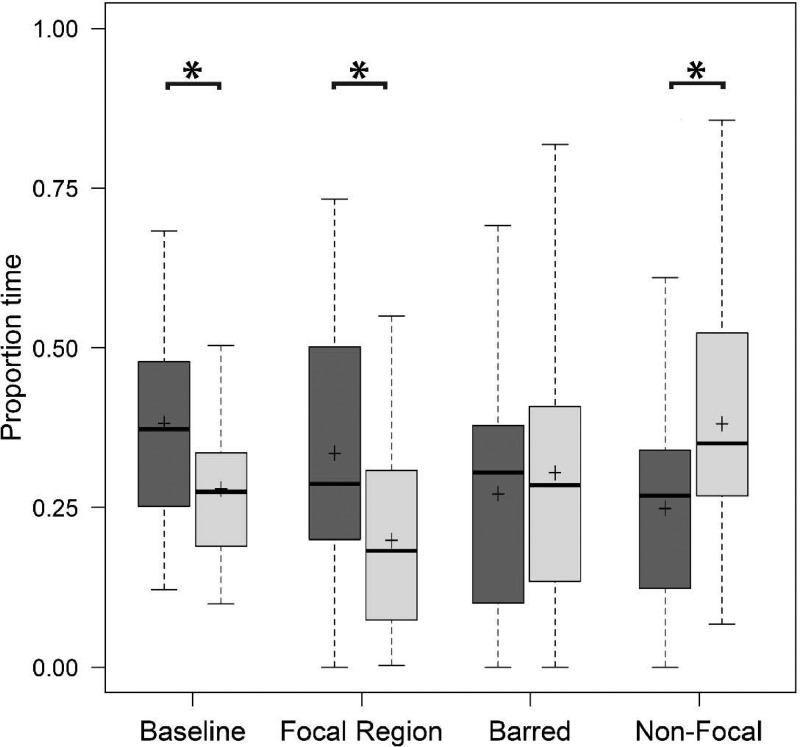
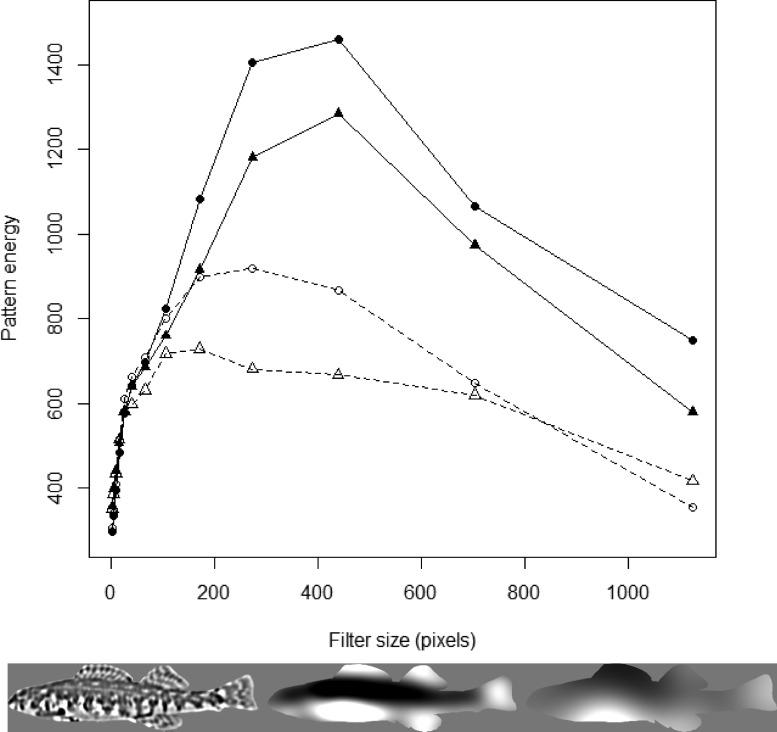
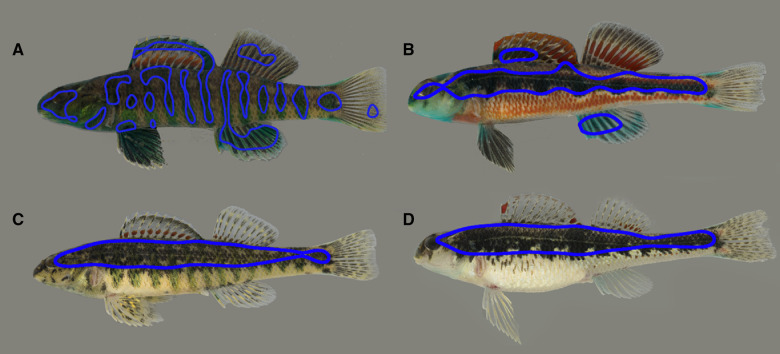
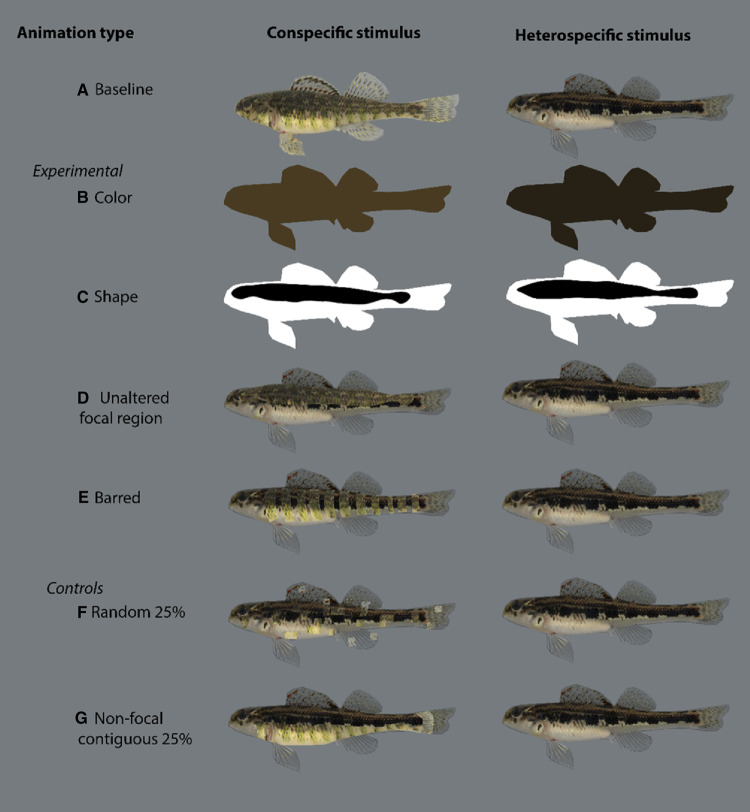
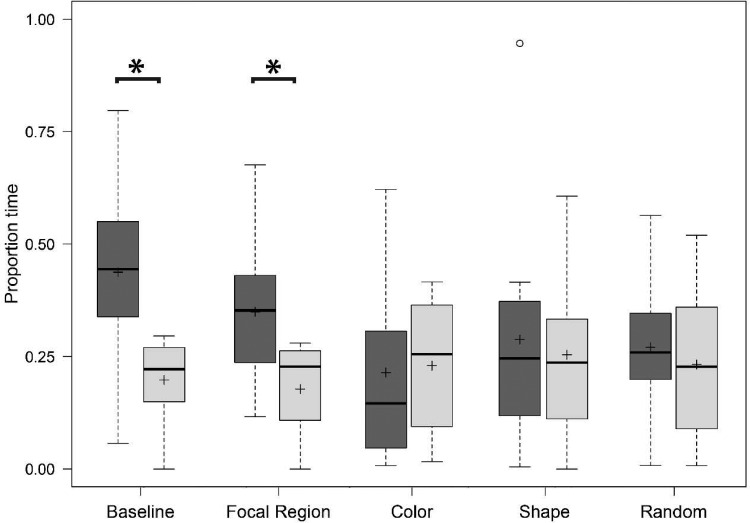
In sexually dimorphic species characterized by exaggerated male ornamentation, behavioral isolation is often attributed to female preferences for conspecific male signals. Yet, in a number of sexually dimorphic species, male mate choice also results in behavioral isolation. In many of these cases, the female traits that mediate species boundaries are unclear. Females in sexually dimorphic species typically lack many of the elaborate traits that are present in males and that are often used for taxonomic classification of species. In a diverse and largely sexually dimorphic group of fishes called darters (Percidae: ), male mate choice contributes to behavioral isolation between a number of species; however, studies addressing which female traits males prefer are lacking. In this study, we identified the dominant female pattern for two sympatric species, and , using pattern energy analysis, and we used discriminate function analysis to identify which aspects of female patterning can reliably classify species. We then tested the role of female features in male mate choice for , by measuring male preference for computer animations displaying the identified (species-specific) conspecific features. We found that the region above the lateral line is important in mediating male mate preferences, with males spending a significantly greater proportion of time with animations exhibiting conspecific female patterning in this region than with animations exhibiting heterospecific female patterning. Our results suggest that the aspects of female phenotypes that are the target of male mate choice are different from the conspicuous male phenotypes that traditionally characterize species.
在以夸张的雄性装饰为特征的两性异形物种中,行为隔离通常归因于雌性对同种雄性信号的偏好。然而,在许多两性异形物种中,雄性配偶选择也会导致行为隔离。在许多此类情况下,介导物种界限的雌性特征尚不清楚。两性异形物种中的雌性通常缺乏许多雄性所具有的精致特征,而这些特征常被用于物种的分类。在一个多样化且主要为两性异形的鱼类群体——镖鲈(鲈科:)中,雄性配偶选择导致了一些物种之间的行为隔离;然而,关于雄性偏好哪些雌性特征的研究却很缺乏。在本研究中,我们使用模式能量分析确定了两种同域分布物种—— [物种名称1] 和 [物种名称2] 的主要雌性模式,并使用判别函数分析来确定雌性模式的哪些方面能够可靠地对物种进行分类。然后,我们通过测量雄性对展示已确定的(物种特异性的)同种特征的计算机动画的偏好,来测试雌性特征在 [物种名称1] 的雄性配偶选择中的作用。我们发现侧线以上区域在介导雄性配偶偏好方面很重要,雄性花在展示该区域同种雌性模式的动画上的时间比例,显著高于展示异种雌性模式的动画。我们的结果表明,作为雄性配偶选择目标的雌性表型方面,与传统上表征物种的显著雄性表型不同。