M. H. Gluck Equine Research Center, Department of Veterinary Science, University of Kentucky, Lexington, KY, 40546, USA.
Department of Biology and Microbiology, South Dakota State University, Brookings, SD, 57007, USA.
Virology. 2021 Jul;559:89-99. doi: 10.1016/j.virol.2021.04.003. Epub 2021 Apr 11.
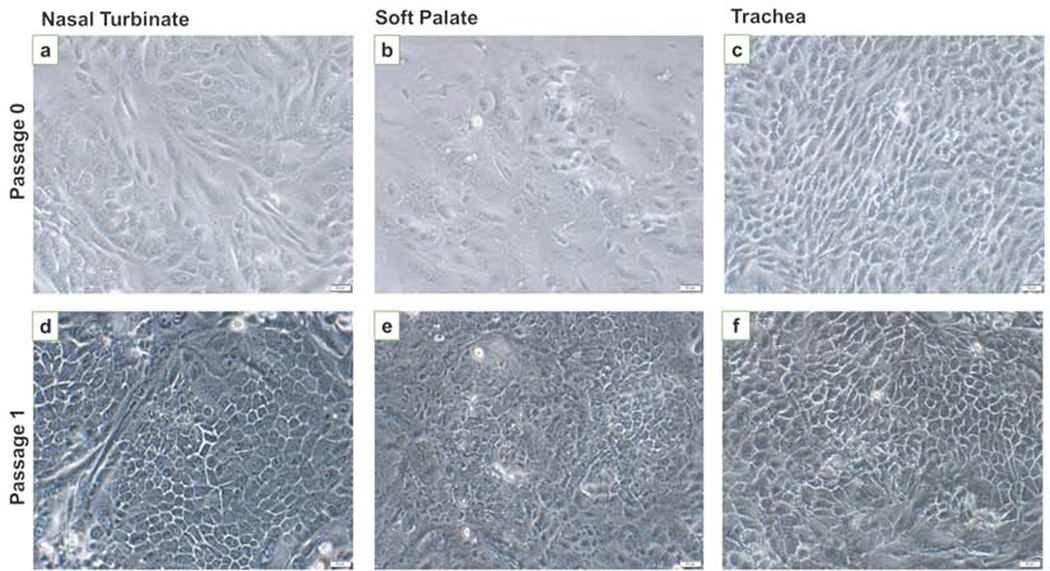
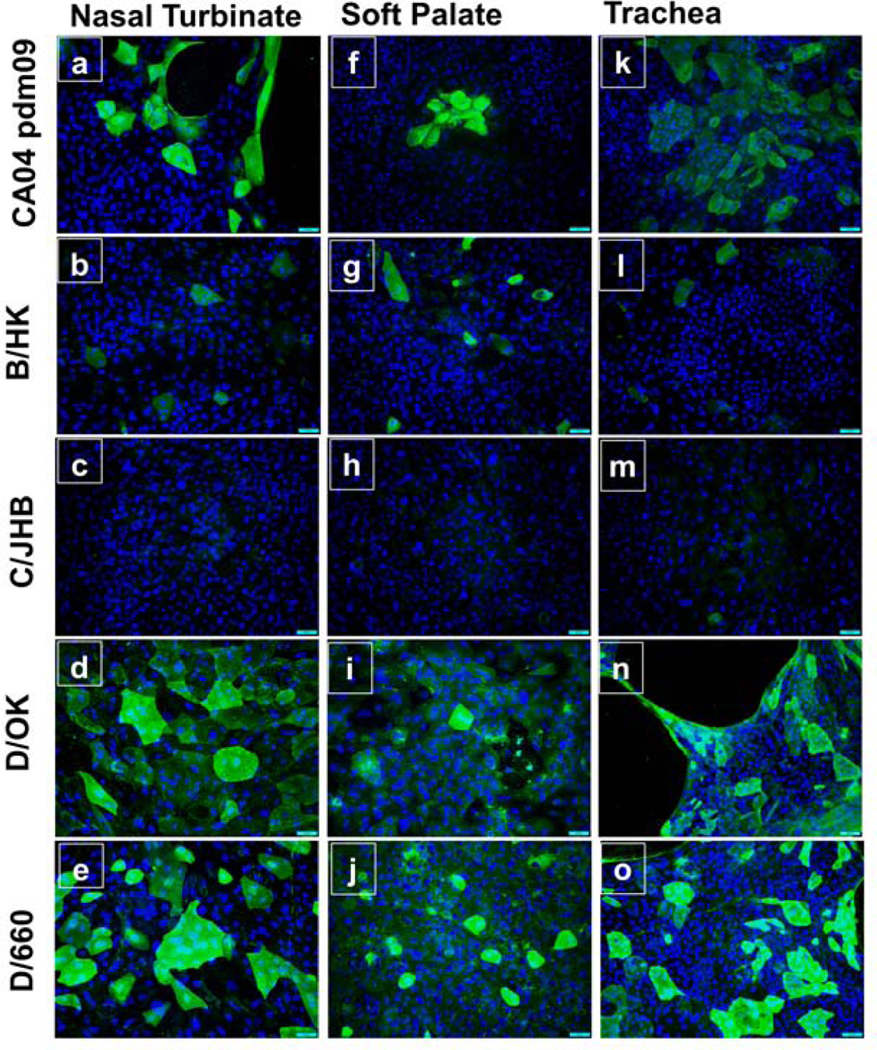
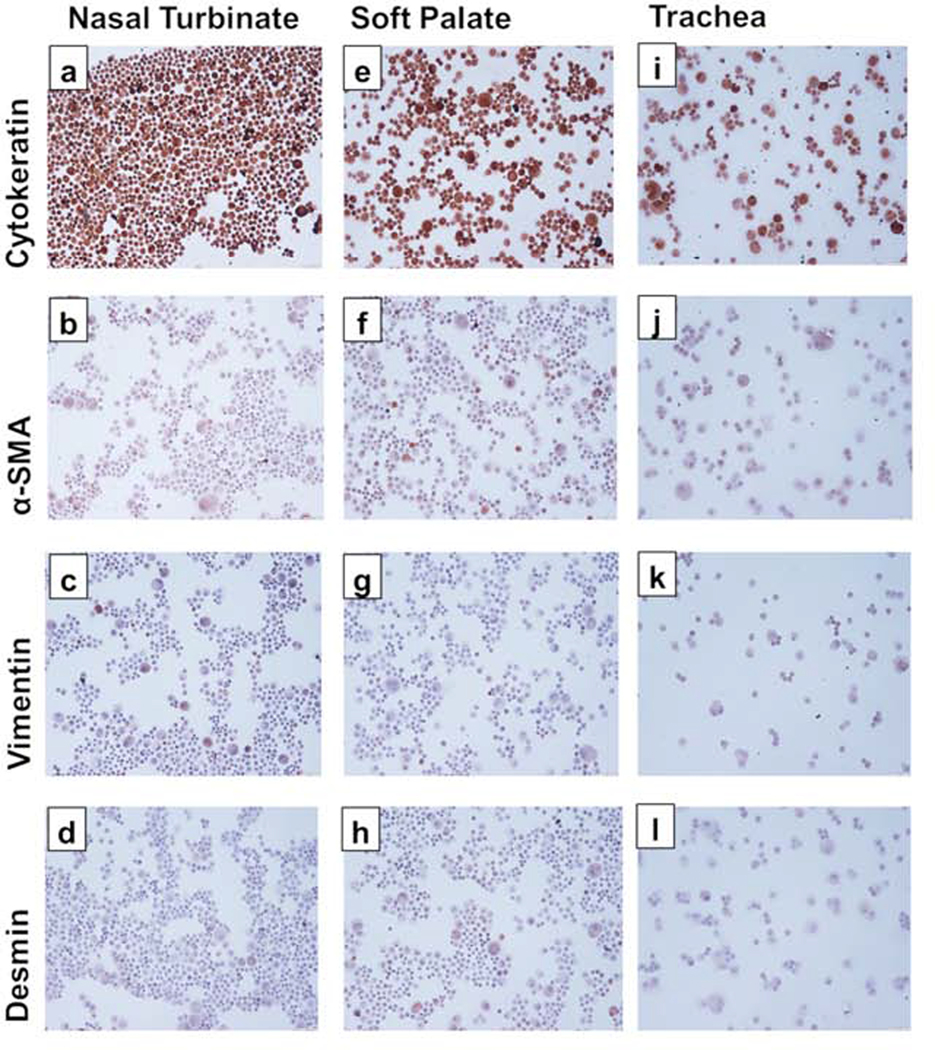
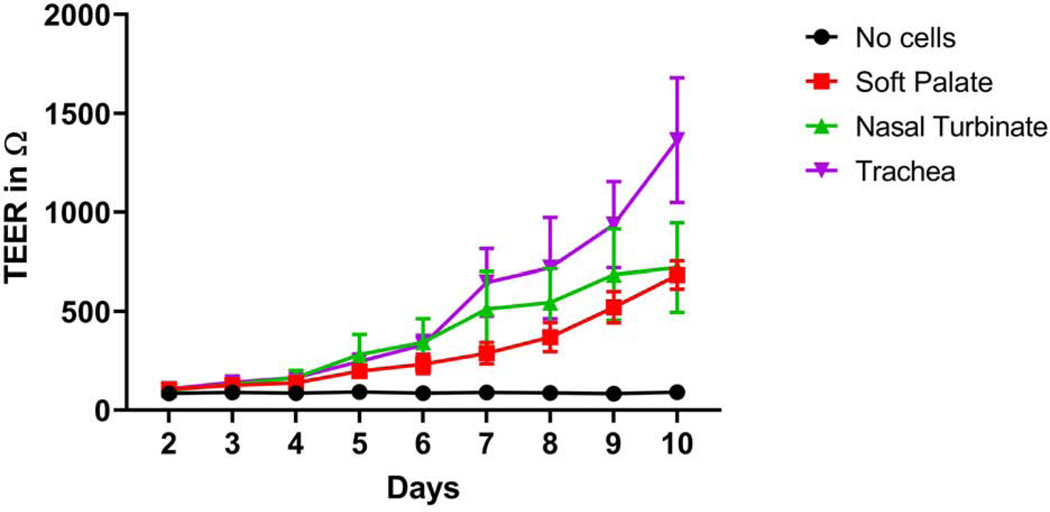
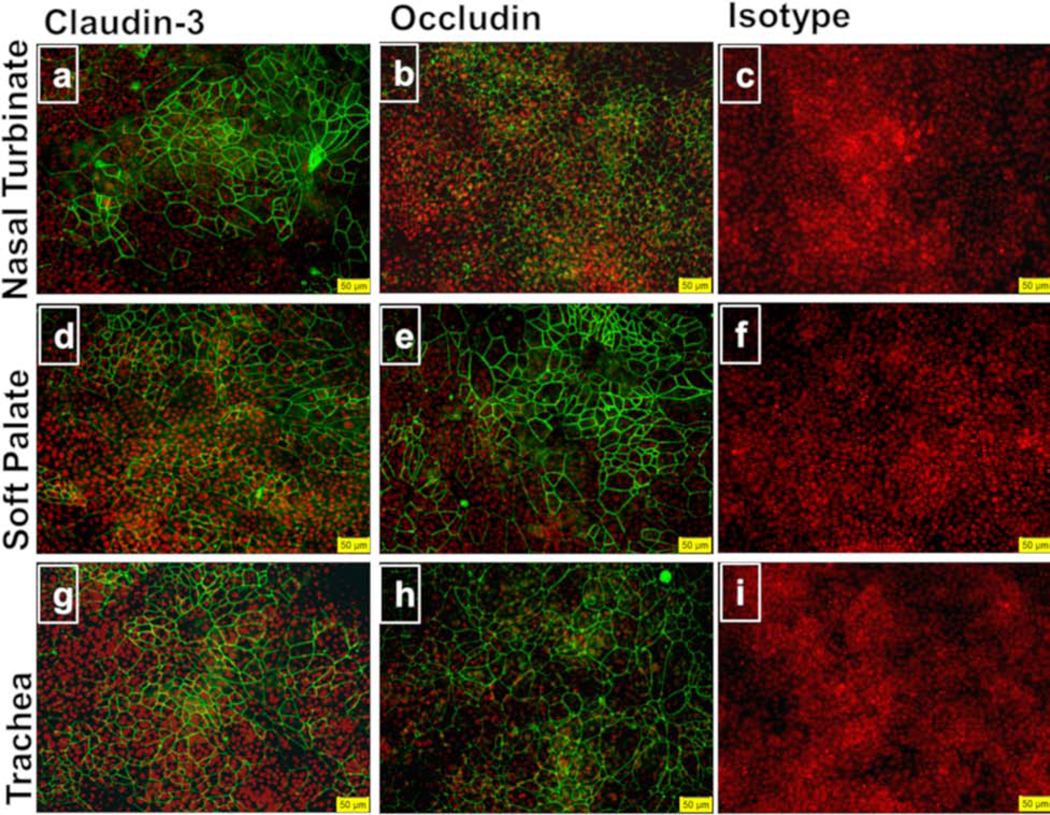
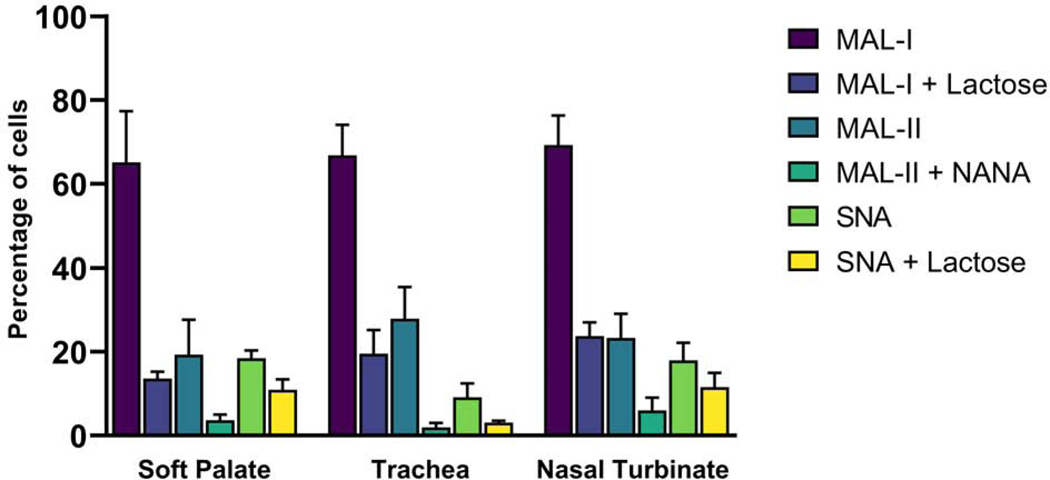
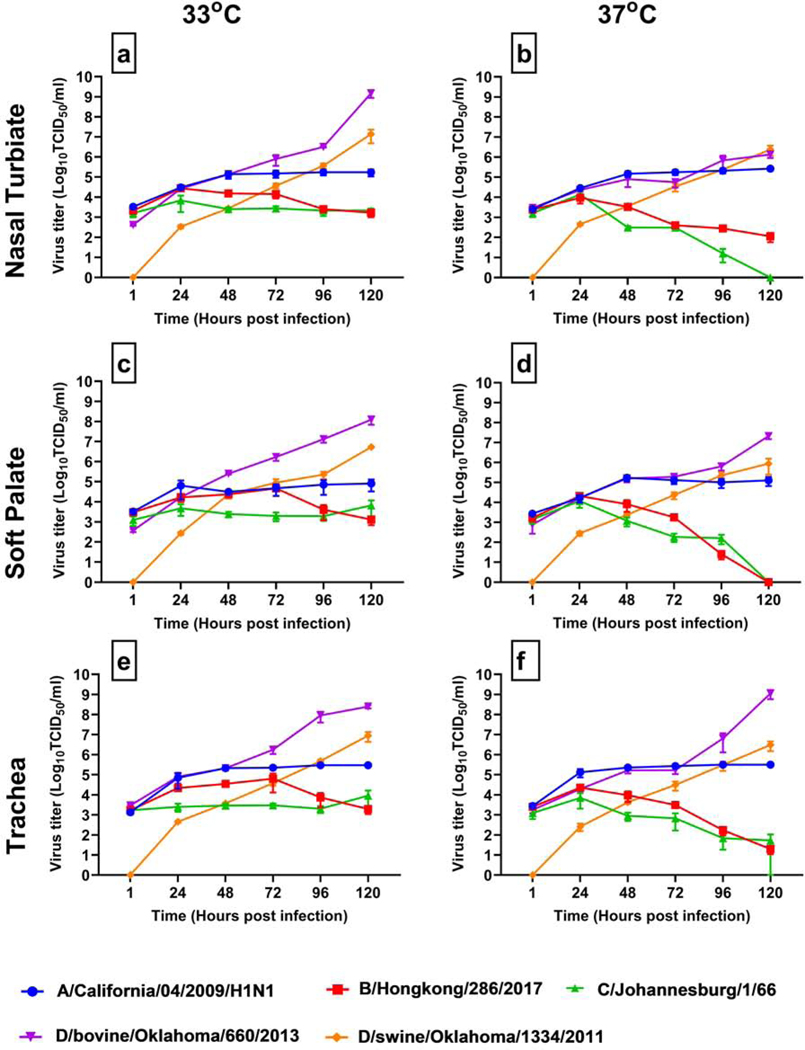
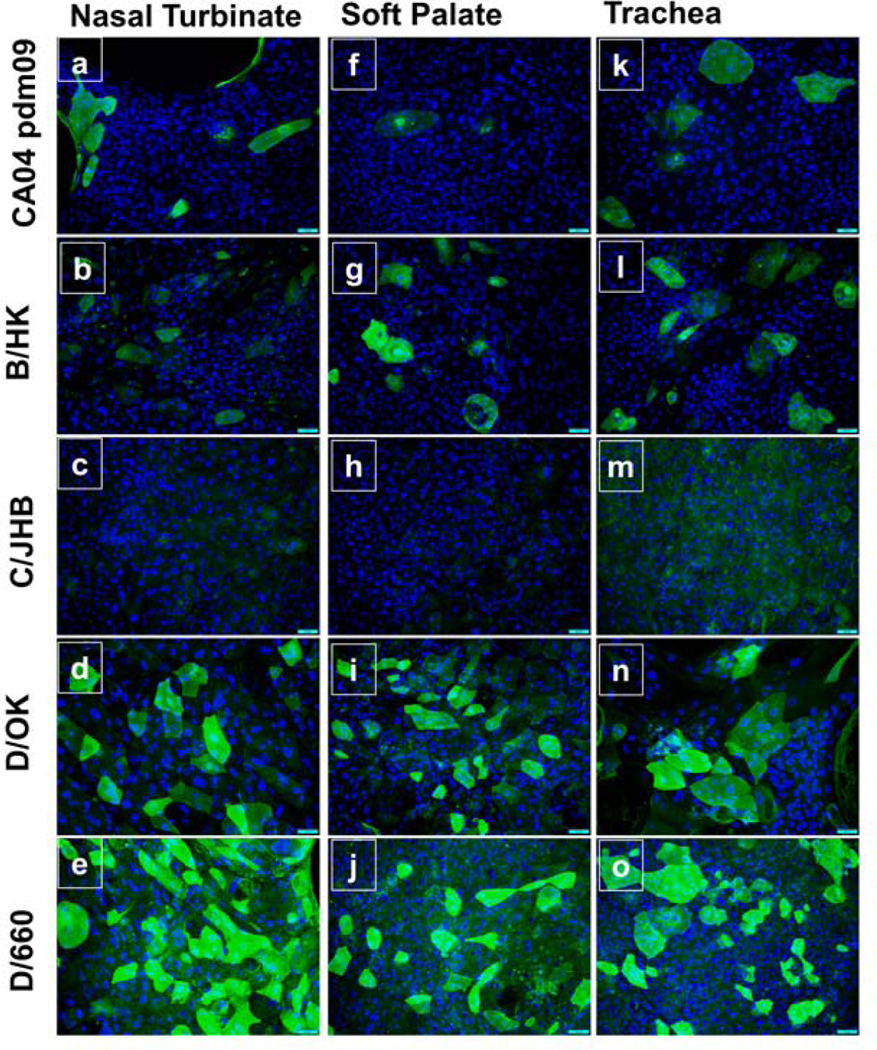
Influenza D virus (IDV) is a novel type of influenza virus that infects and causes respiratory illness in bovines. Lack of host-specific in vitro model that can recapitulate morphology and physiology of in vivo airway epithelial cells has impeded the study of IDV infection. Here, we established and characterized bovine primary respiratory epithelial cells from nasal turbinate, soft palate, and trachea of the same calf. All three cell types showed characteristics peculiar of epithelial cells, polarized into apical-basolateral membrane, and formed tight junctions. Furthermore, these cells expressed both α-2,3- and α-2,6-linked sialic acids with α-2,3 linkage being more abundant. IDV strains replicated to high titers in these cells, while influenza A and B viruses exhibited moderate to low titers, with influenza C virus replication not detected. These findings suggest that bovine primary airway epithelial cells can be utilized to model infection biology and pathophysiology of IDV and other respiratory pathogens.
牛传染性鼻气管炎病毒(IDV)是一种新型流感病毒,可感染并导致牛的呼吸道疾病。缺乏能够重现体内气道上皮细胞形态和生理学的宿主特异性体外模型,阻碍了对 IDV 感染的研究。本研究从同一只小牛的鼻甲骨、软腭和气管中建立并鉴定了牛原代呼吸道上皮细胞。这三种细胞类型均表现出上皮细胞的特有特征,极化形成顶-基底膜,并形成紧密连接。此外,这些细胞表达α-2,3-和α-2,6 连接的唾液酸,其中α-2,3 连接更为丰富。IDV 株在这些细胞中复制到高滴度,而流感 A 和 B 病毒的滴度则中等至较低,未检测到流感 C 病毒的复制。这些发现表明,牛原代气道上皮细胞可用于模拟 IDV 和其他呼吸道病原体的感染生物学和发病机制。