Department of Biochemistry, Center for Structural Biology, Wake Forest School of Medicine, Winston-Salem, NC, United States.
Department of Microbiology and Immunology, Wake Forest School of Medicine, Winston-Salem, NC, United States.
Front Immunol. 2021 Apr 1;12:660184. doi: 10.3389/fimmu.2021.660184. eCollection 2021.
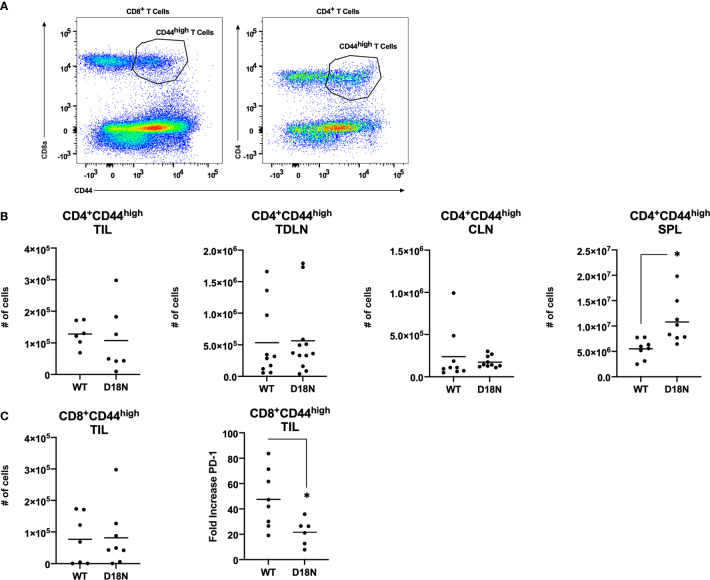
Mutations in the TREX1 3' → 5' exonuclease are associated with a spectrum of autoimmune disease phenotypes in humans and mice. Failure to degrade DNA activates the cGAS-STING DNA-sensing pathway signaling a type-I interferon (IFN) response that ultimately drives immune system activation. TREX1 and the cGAS-STING DNA-sensing pathway have also been implicated in the tumor microenvironment, where TREX1 is proposed to degrade tumor-derived DNA that would otherwise activate cGAS-STING. If tumor-derived DNA were not degraded, the cGAS-STING pathway would be activated to promote IFN-dependent antitumor immunity. Thus, we hypothesize TREX1 exonuclease inhibition as a novel immunotherapeutic strategy. We present data demonstrating antitumor immunity in the TREX1 D18N mouse model and discuss theory surrounding the best strategy for TREX1 inhibition. Potential complications of TREX1 inhibition as a therapeutic strategy are also discussed.
TREX1 3'→5'外切酶突变与人类和小鼠一系列自身免疫疾病表型有关。如果 DNA 不能被降解,就会激活 cGAS-STING DNA 感应途径,引发 I 型干扰素(IFN)反应,最终导致免疫系统激活。TREX1 和 cGAS-STING DNA 感应途径也与肿瘤微环境有关,TREX1 被认为可以降解肿瘤源性 DNA,否则这些 DNA 会激活 cGAS-STING。如果肿瘤源性 DNA 不被降解,cGAS-STING 途径就会被激活,促进 IFN 依赖的抗肿瘤免疫。因此,我们假设 TREX1 外切酶抑制是一种新的免疫治疗策略。我们提供的数据表明,TREX1 D18N 小鼠模型中存在抗肿瘤免疫,并讨论了 TREX1 抑制的最佳策略。还讨论了作为治疗策略的 TREX1 抑制的潜在并发症。