Department of Neurosurgery, The Second Affiliated Hospital of Anhui Medical University, Hefei 230601, China.
Cerebral Vascular Disease Research Center, Anhui Medical University, Hefei 230601, China.
Aging (Albany NY). 2021 Apr 19;13(9):12431-12455. doi: 10.18632/aging.202886.
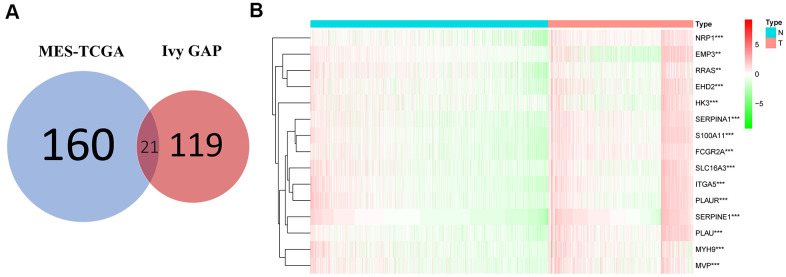
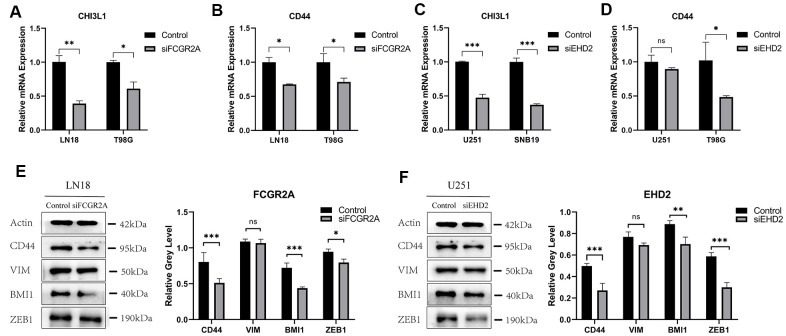
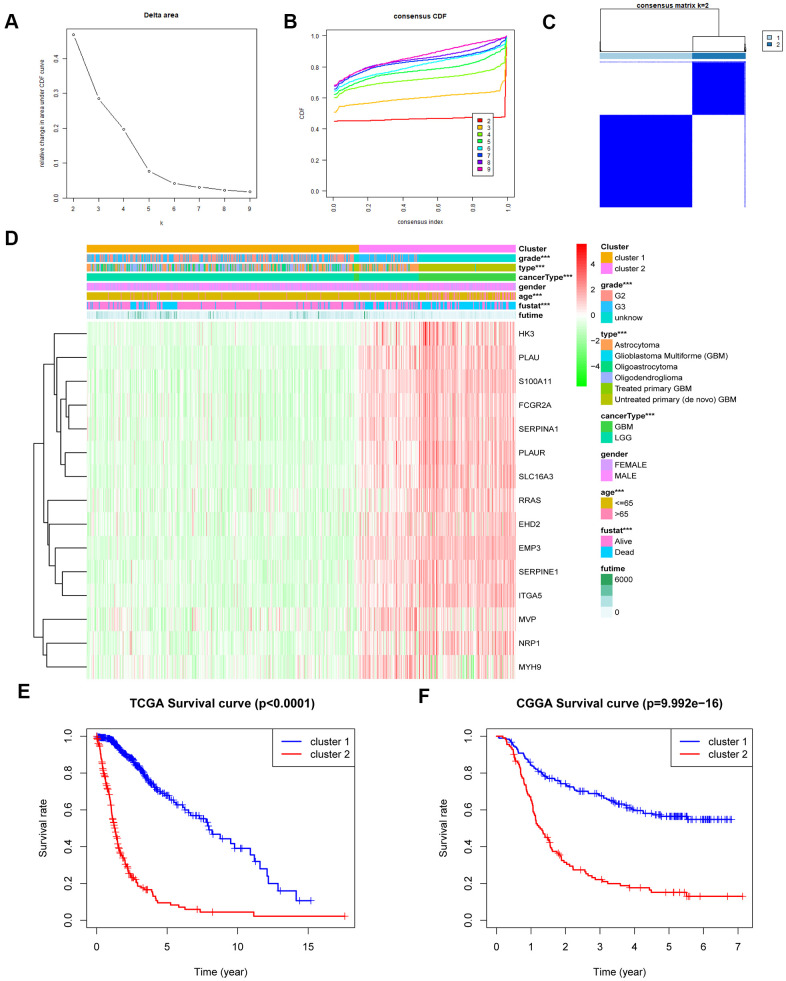
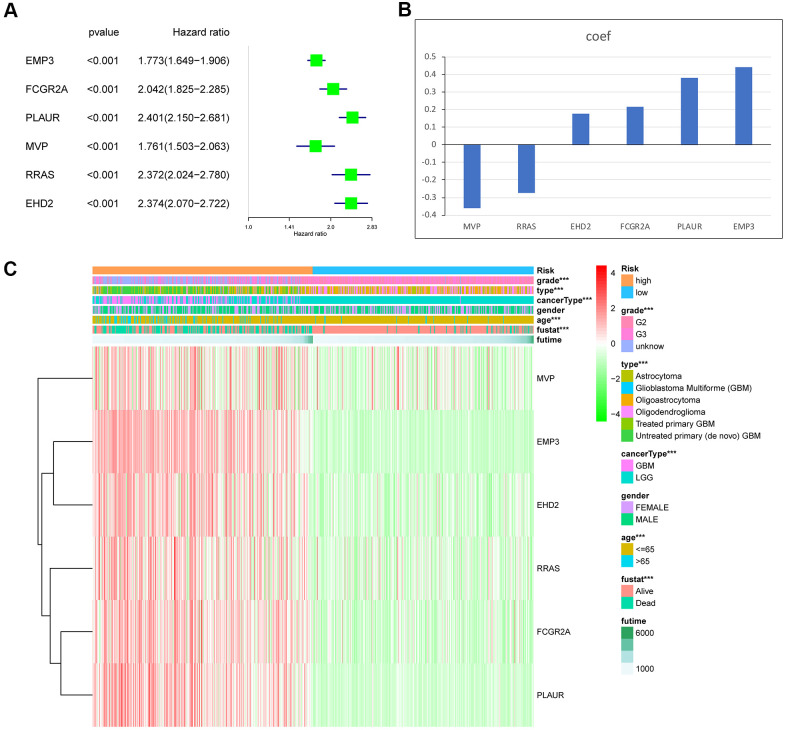
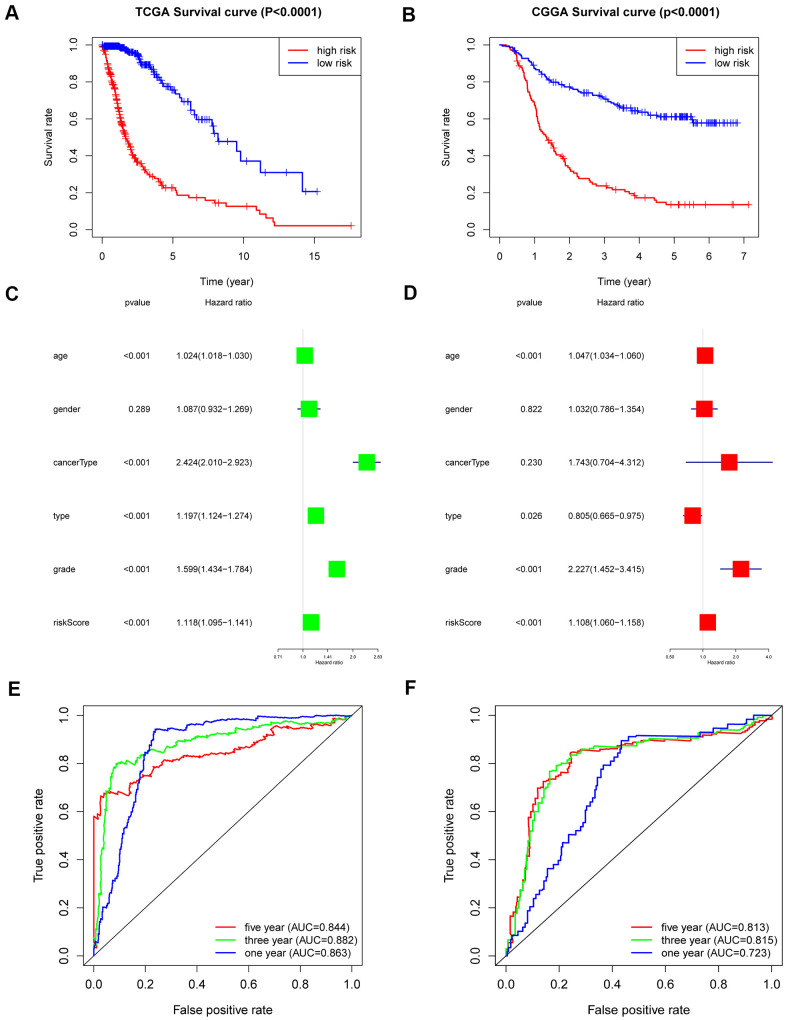
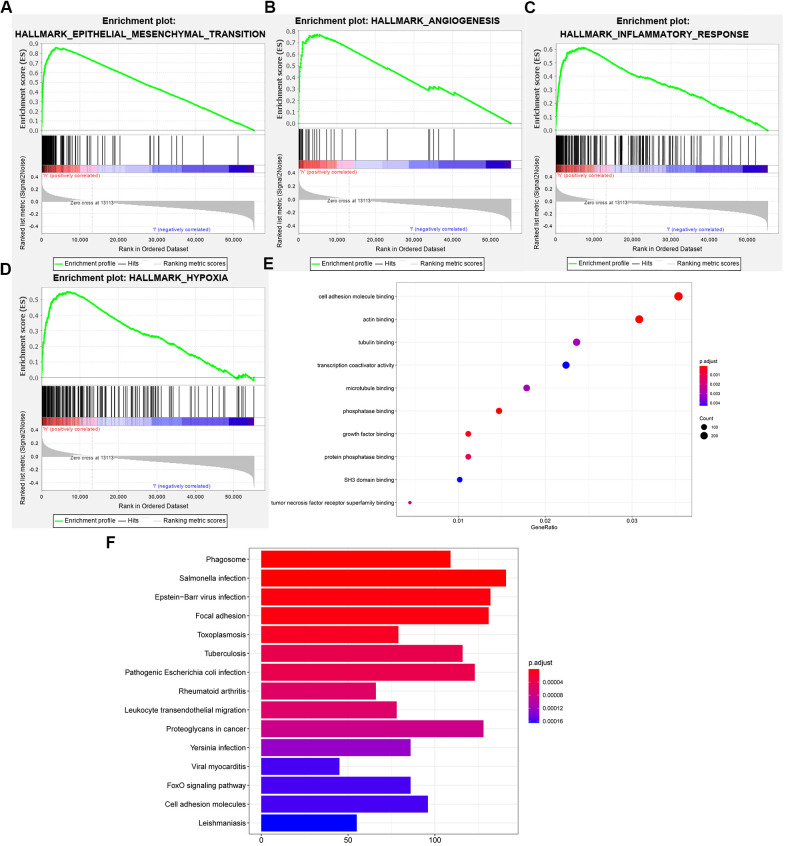
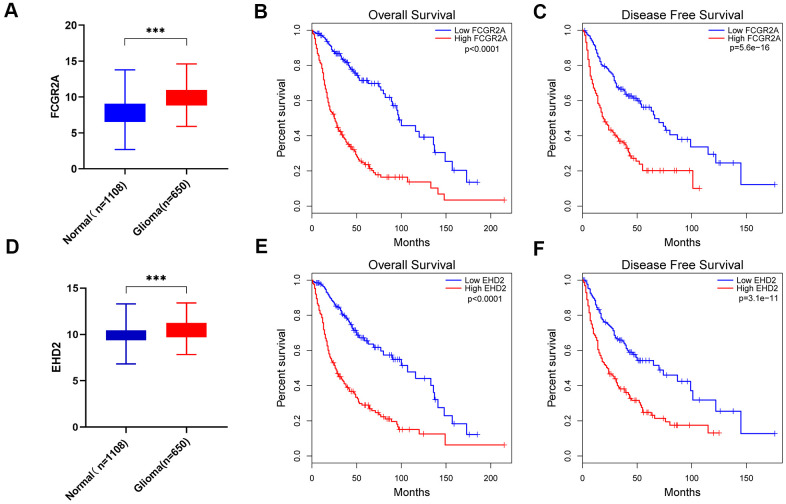
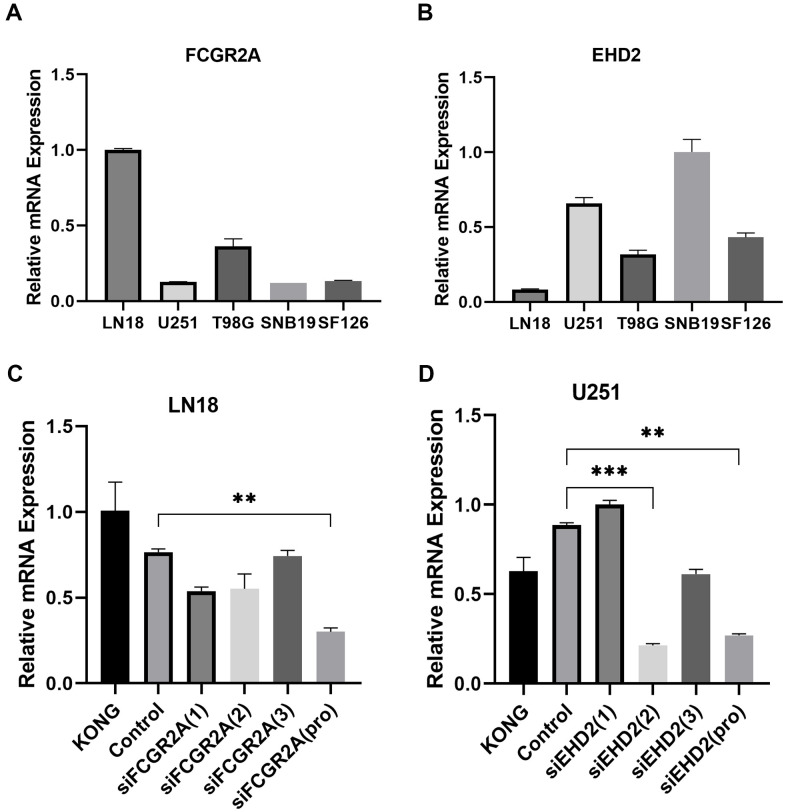
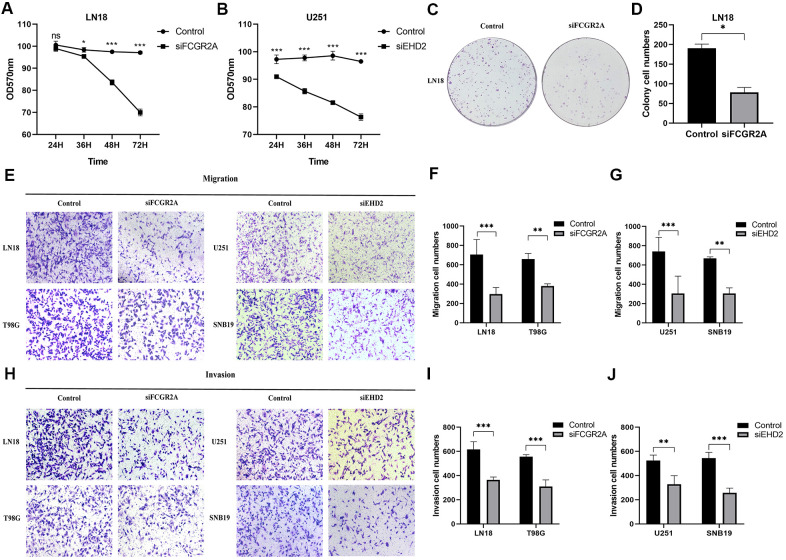
Malignant glioma with a mesenchymal (MES) signature is characterized by shorter survival time due to aggressive dissemination and resistance to chemoradiotherapy. Here, this study used the TCGA database as the training set and the CGGA database as the testing set. Consensus clustering was performed on the two data sets, and it was found that two groups had distinguished prognostic and molecular features. Cox analysis and Lasso regression analysis were used to construct MES signature-based risk score model of glioma. Our results show that MES signature-based risk score model can be used to assess the prognosis of glioma. Three methods (ROC curve analyses, univariate Cox regression analysis, multivariate Cox regression analysis) were used to investigate the prognostic role of texture parameters. The result showed that the MES-related gene signature was proved to be an independent prognostic factor for glioma. Furthermore, functional analysis of the gene related to the risk signature showed that the genes sets were closely related to the malignant process of tumors. Finally, FCGR2A and EHD2 were selected for functional verification. Silencing these two genes inhibited the proliferation, migration and invasion of gliomas and reduced the expression of mesenchymal marker genes. Collectively, MES-related risk signature seems to provide a novel target for predicting the prognosis and treatment of glioma.
具有间充质(MES)特征的恶性神经胶质瘤由于侵袭性扩散和对放化疗的耐药性,导致生存时间更短。在此,本研究使用 TCGA 数据库作为训练集和 CGGA 数据库作为测试集。对这两个数据集进行共识聚类分析,发现两组具有明显不同的预后和分子特征。采用 Cox 分析和 Lasso 回归分析构建基于 MES 特征的神经胶质瘤风险评分模型。我们的研究结果表明,基于 MES 特征的风险评分模型可用于评估神经胶质瘤的预后。采用三种方法(ROC 曲线分析、单因素 Cox 回归分析、多因素 Cox 回归分析)探讨纹理参数的预后作用。结果表明,与 MES 相关的基因特征被证明是神经胶质瘤的独立预后因素。此外,对风险特征相关基因的功能分析表明,基因集与肿瘤的恶性进程密切相关。最后,选择 FCGR2A 和 EHD2 进行功能验证。沉默这两个基因可抑制神经胶质瘤的增殖、迁移和侵袭,并降低间充质标志物基因的表达。综上所述,与 MES 相关的风险特征似乎为预测神经胶质瘤的预后和治疗提供了新的靶点。