School of Dental Sciences, Health Campus, Universiti Sains Malaysia, Kelantan, Malaysia.
Division of Clinical Dentistry (Prosthodontics), School of Dentistry, International Medical University, Jalan Jalil Perkasa-19, Bukit Jalil, 57000, Kuala Lumpur, Malaysia.
Sci Rep. 2021 Apr 19;11(1):8469. doi: 10.1038/s41598-021-87240-9.
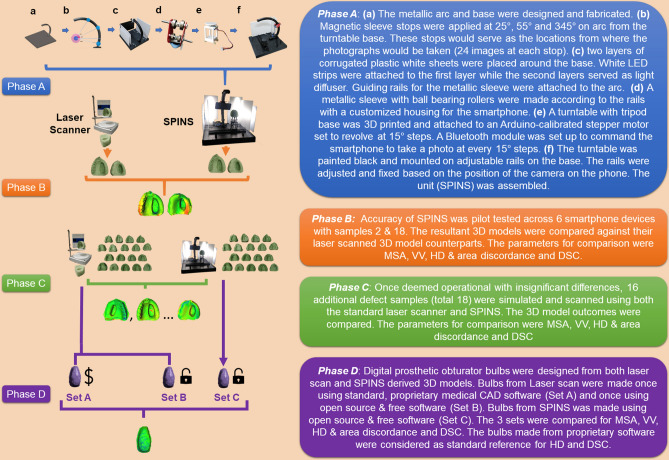
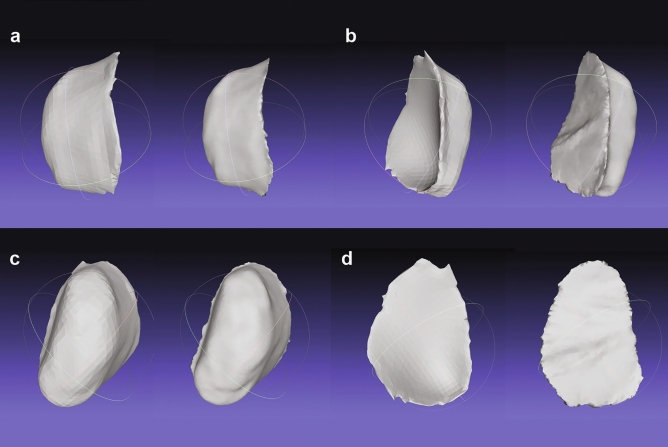
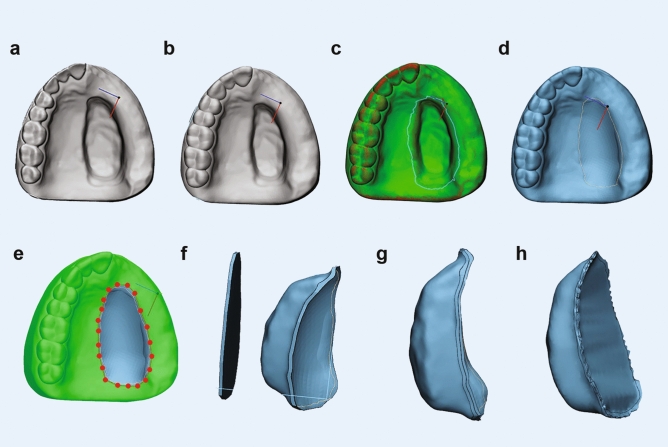
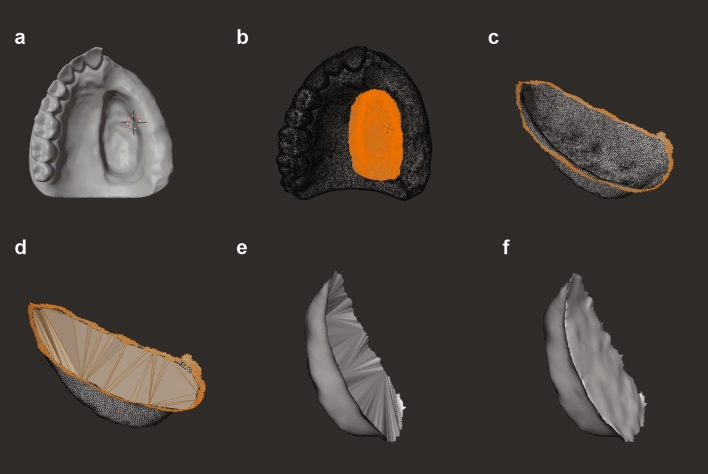
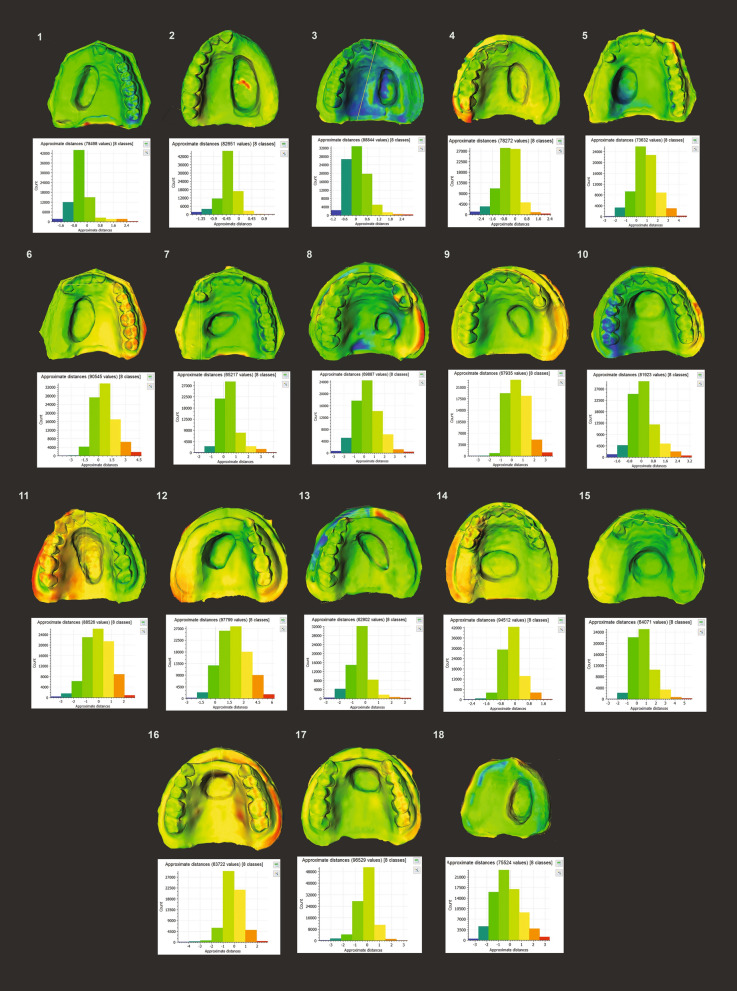
Palatal defects are rehabilitated by fabricating maxillofacial prostheses called obturators. The treatment incorporates taking deviously unpredictable impressions to facsimile the palatal defects into plaster casts for obturator fabrication in the dental laboratory. The casts are then digitally stored using expensive hardware to prevent physical damage or data loss and, when required, future obturators are digitally designed, and 3D printed. Our objective was to construct and validate an economic in-house smartphone-integrated stereophotogrammetry (SPINS) 3D scanner and to evaluate its accuracy in designing prosthetics using open source/free (OS/F) digital pipeline. Palatal defect models were scanned using SPINS and its accuracy was compared against the standard laser scanner for virtual area and volumetric parameters. SPINS derived 3D models were then used to design obturators by using (OS/F) software. The resultant obturators were virtually compared against standard medical software designs. There were no significant differences in any of the virtual parameters when evaluating the accuracy of both SPINS, as well as OS/F derived obturators. However, limitations in the design process resulted in minimal dissimilarities. With further improvements, SPINS based prosthetic rehabilitation could create a viable, low cost method for rural and developing health services to embrace maxillofacial record keeping and digitised prosthetic rehabilitation.
腭部缺损通过制作称为闭塞器的颌面修复体来修复。该治疗包括采用迂回的不可预测的印模,将腭部缺损复制到石膏模型中,以便在牙科实验室中制作闭塞器。然后使用昂贵的硬件对模型进行数字存储,以防止物理损坏或数据丢失,并且在需要时,可以对未来的闭塞器进行数字设计和 3D 打印。我们的目标是构建和验证一种经济的内部智能手机集成立体摄影测量(SPINS)3D 扫描仪,并使用开源/免费(OS/F)数字管道评估其在设计修复体方面的准确性。使用 SPINS 扫描腭部缺损模型,并将其准确性与标准激光扫描仪的虚拟面积和体积参数进行比较。然后使用 SPINS 衍生的 3D 模型通过使用(OS/F)软件来设计闭塞器。将得到的闭塞器与标准医学软件设计进行虚拟比较。在评估 SPINS 和 OS/F 衍生的闭塞器的准确性时,在任何虚拟参数上均无显着差异。但是,设计过程中的局限性导致差异最小。随着进一步的改进,基于 SPINS 的修复体康复可以为农村和发展中卫生服务机构创建一种可行的低成本方法,以接受颌面记录和数字化修复体康复。