Department of Chemical Sciences, Bernal Institute, University of Limerick, Limerick, Ireland.
Teagasc Food Research Centre Moorepark, Fermoy Co. Cork, Fermoy, Ireland.
Drug Deliv Transl Res. 2021 Aug;11(4):1735-1751. doi: 10.1007/s13346-021-00984-9. Epub 2021 Apr 19.
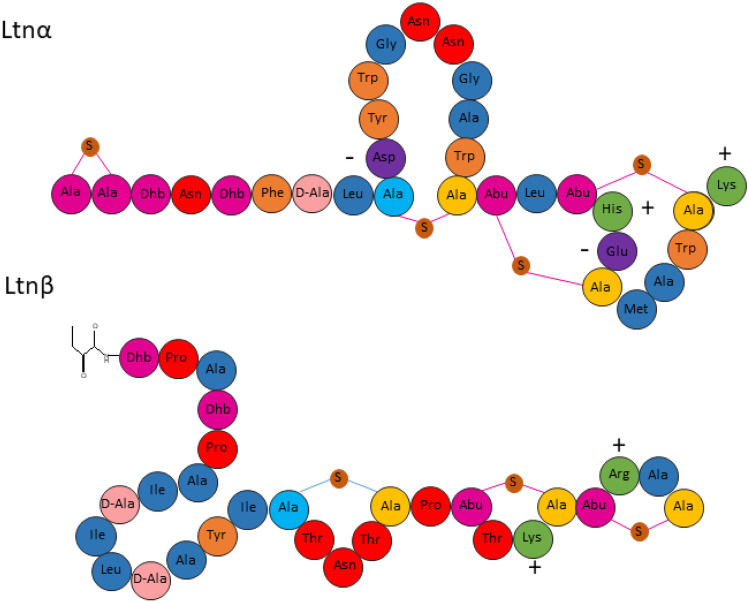
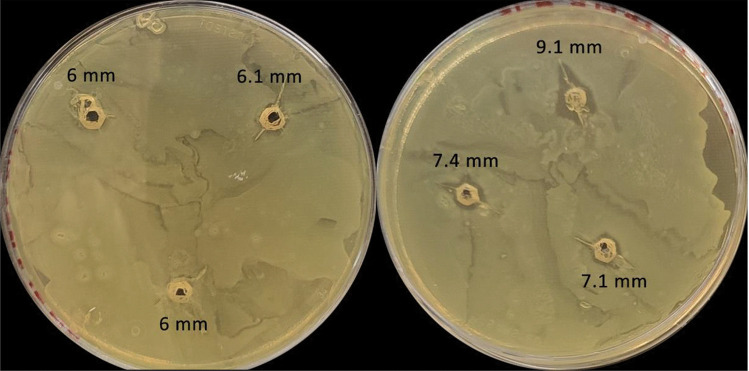
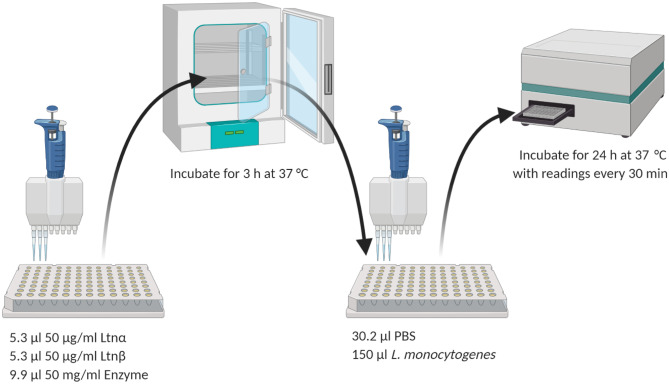
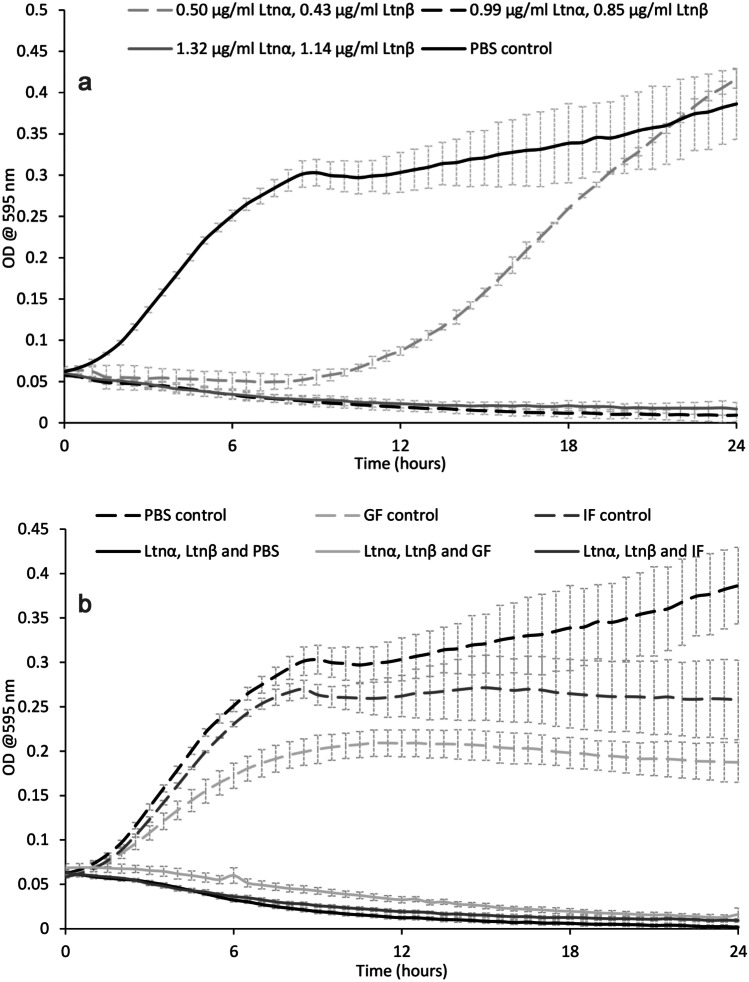
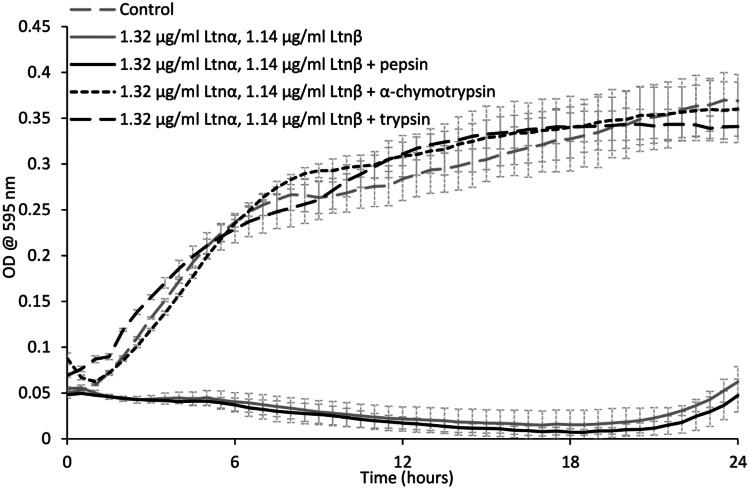
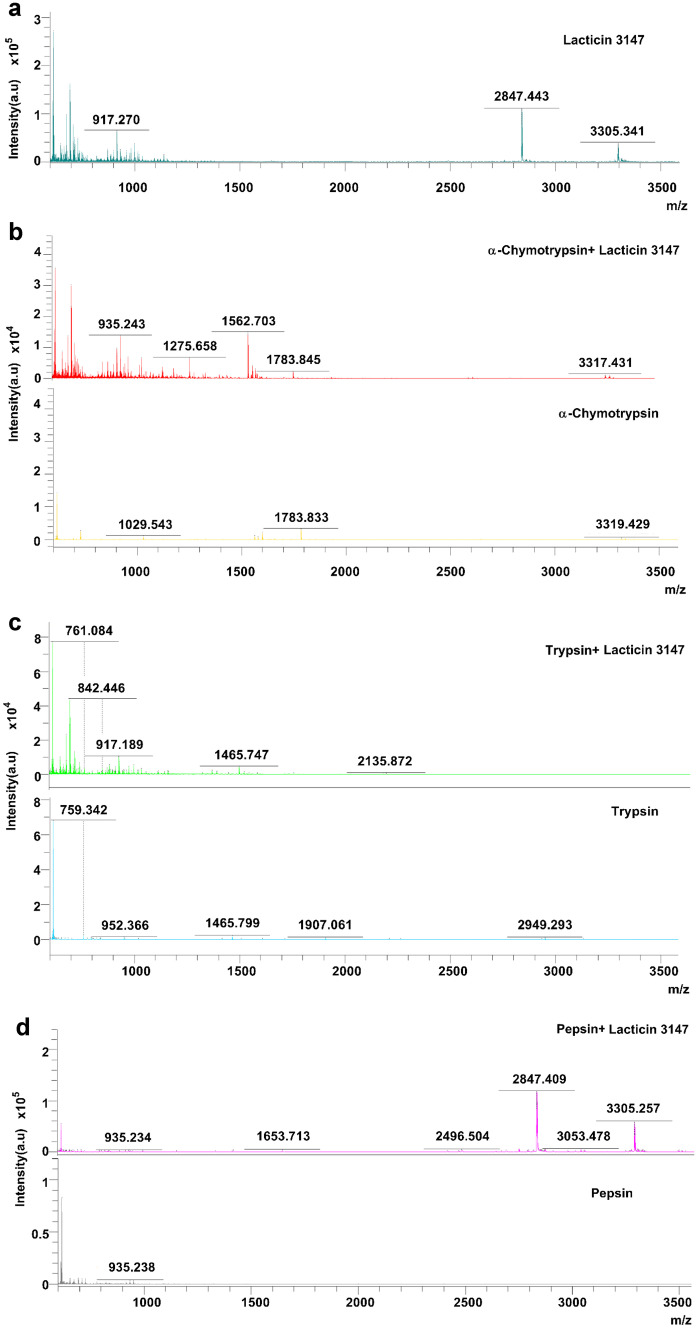
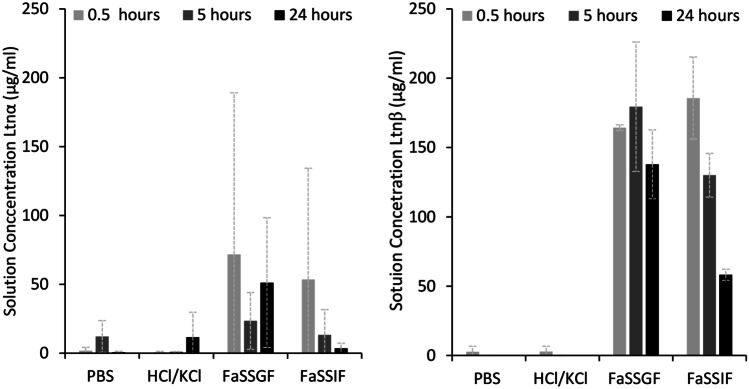
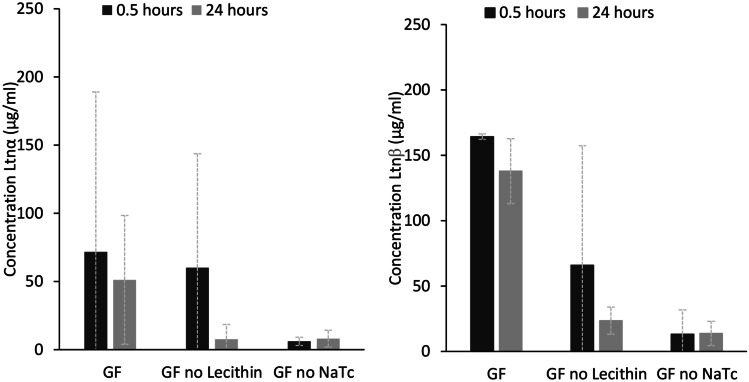
Lacticin 3147 is a dual-acting two-peptide bacteriocin which is generally active against Gram-positive bacteria, including Listeria monocytogenes and antimicrobial-resistant bacteria such as Closteroides difficile in the colon. L. monocytogenes infections can cause life-long effects in the elderly and vulnerable and can cause severe complications in pregnant women. C. difficile causes one of the most common healthcare-associated infections and can be fatal in vulnerable groups such as the elderly. Although lacticin 3147 is degraded by intestinal proteases and has poor aqueous solubility, encapsulation of the bacteriocin could enable its use as an antimicrobial for treating these bacterial infections locally in the gastrointestinal tract. Lacticin 3147 displayed activity in aqueous solutions at a range of pH values and in gastric and intestinal fluids. Exposure to trypsin and α-chymotrypsin resulted in complete inactivation, implying that lacticin 3147 should be protected from these enzymes to achieve successful local delivery to the gastrointestinal tract. The amount of lacticin 3147 dissolved, i.e. its solution concentration, in water or buffered solutions at pH 1.6 and 7.4 was low and varied with time but increased and was stabilized in gastrointestinal fluids by the phospholipid and bile salt components present. Thus, the feasibility of a solid lipid nanoparticle (SLN) delivery system for local administration of lacticin 3147 was investigated. Bacteriocin activity was observed after encapsulation and release from a lipid matrix. Moreover, activity was seen after exposure to degrading enzymes. Further optimization of SLN delivery systems could enable the successful pharmaceutical development of active lacticin 3147 as an alternative to traditional antibiotics.
乳链菌肽 3147 是一种双效双肽细菌素,通常对革兰氏阳性菌有效,包括单核细胞增生李斯特菌和结肠中的艰难梭菌等抗菌药物耐药菌。单核细胞增生李斯特菌感染可对老年人和弱势群体造成终身影响,并可导致孕妇严重并发症。艰难梭菌可引起最常见的医疗保健相关感染之一,在老年人等弱势群体中可能致命。尽管乳链菌肽 3147 被肠道蛋白酶降解且水溶性差,但将细菌素包封可以使其作为治疗胃肠道局部细菌感染的抗菌药物使用。乳链菌肽 3147 在一系列 pH 值下的水溶液中和胃和肠液中均具有活性。暴露于胰蛋白酶和α-糜蛋白酶会导致完全失活,这意味着乳链菌肽 3147 应受到保护以避免这些酶的作用,从而成功将其递送到胃肠道。在 pH 值为 1.6 和 7.4 的水中或缓冲溶液中溶解的乳链菌肽 3147 量(即其溶液浓度)较低,且随时间而变化,但通过存在的磷脂和胆汁盐成分在胃肠液中增加并稳定。因此,研究了用于局部给予乳链菌肽 3147 的固体脂质纳米颗粒 (SLN) 给药系统的可行性。在从脂质基质中包封和释放后观察到细菌素活性。而且,在暴露于降解酶后也观察到了活性。进一步优化 SLN 给药系统可以成功开发活性乳链菌肽 3147 作为传统抗生素的替代品。