Barvelink Britt, Reijman Max, Schep Niels W L, Brown Vanessa, Kraan Gerald A, Gosens Taco, Polinder Suzanne, Ista Erwin, Verhaar Jan A N, Colaris Joost W
Department of Orthopedic Surgery, Erasmus MC, University Medical Center Rotterdam, P.O. Box 2040, 3000, Rotterdam, CA, The Netherlands.
Department of Trauma Surgery, Maasstad Hospital, Rotterdam, The Netherlands.
BMC Musculoskelet Disord. 2021 Apr 20;22(1):370. doi: 10.1186/s12891-021-04238-0.
There is no consensus concerning the optimal casting technique for displaced distal radius fractures (DRFs) following closed reduction. This study evaluates whether a splint or a circumferential cast is most optimal to prevent fracture redisplacement in adult patients with a reduced DRF. Additionally, the cost-effectiveness of both cast types will be calculated.
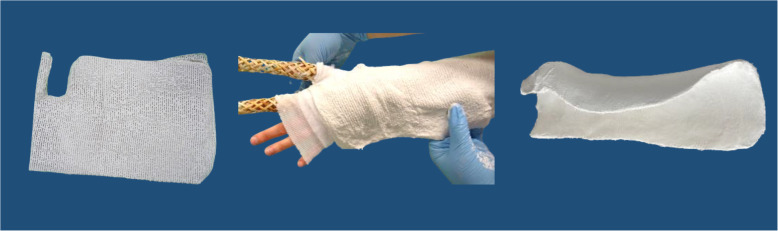
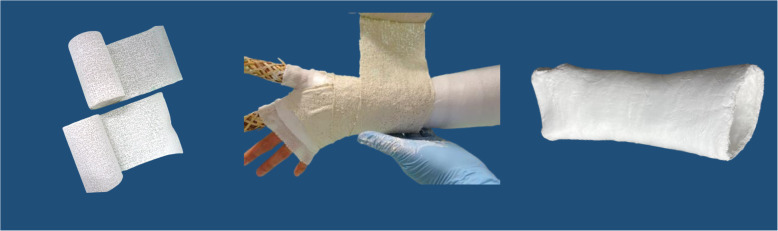
METHODS/DESIGN: This multicenter cluster randomized controlled trial will compare initial immobilization with a circumferential below-elbow cast versus a below-elbow plaster splint in reduced DRFs. Randomization will take place on hospital-level (cluster, n = 10) with a cross-over point halfway the inclusion of the needed number of patients per hospital. Inclusion criteria comprise adult patients (≥ 18 years) with a primary displaced DRF which is treated conservatively after closed reduction. Multiple trauma patients (Injury Severity Score ≥ 16), concomitant ulnar fractures (except styloid process fractures) and patients with concomitant injury on the ipsilateral arm or inability to complete study forms will be excluded. Primary study outcome is fracture redisplacement of the initial reduced DRF. Secondary outcomes are patient-reported outcomes assessed with the Disability Arm Shoulder Hand score (DASH) and Patient-Rated Wrist Evaluation score (PRWE), comfort of the cast, quality of life assessed with the EQ-5D-5L questionnaire, analgesics use, cost-effectiveness and (serious) adverse events occurence. In total, 560 patients will be included and followed for 1 year. The estimated time required for inclusion will be 18 months.
The CAST study will provide evidence whether the type of cast immobilization is of influence on fracture redisplacement in distal radius fractures. Extensive follow-up during one year concerning radiographic, functional and patient reported outcomes will give a broad view on DRF recovery.
Registered in the Dutch Trial Registry on January 14th 2020. Registration number: NL8311 .
对于闭合复位后移位的桡骨远端骨折(DRF),目前尚无关于最佳外固定技术的共识。本研究评估夹板或环形石膏在成年DRF复位患者中预防骨折再移位方面是否最为理想。此外,还将计算两种石膏类型的成本效益。
方法/设计:这项多中心整群随机对照试验将比较在复位后的DRF中,使用环形肘下石膏与肘下石膏夹板进行初始固定的效果。随机分组将在医院层面进行(整群,n = 10),交叉点为每家医院纳入所需患者数量的一半。纳入标准包括成年患者(≥18岁),患有原发性移位DRF,经闭合复位后采用保守治疗。排除多发伤患者(损伤严重度评分≥16)、合并尺骨骨折(尺骨茎突骨折除外)以及同侧手臂有合并伤或无法填写研究表格的患者。主要研究结局是初始复位的DRF骨折再移位情况。次要结局包括使用残疾手臂、肩部和手部评分(DASH)和患者自评腕关节评估评分(PRWE)评估的患者报告结局、石膏舒适度、使用EQ-5D-5L问卷评估的生活质量、镇痛药物使用情况、成本效益以及(严重)不良事件的发生情况。总共将纳入560例患者,并随访1年。预计纳入所需时间为18个月。
CAST研究将提供证据,证明石膏固定类型是否会影响桡骨远端骨折的骨折再移位情况。为期一年的广泛随访,涉及影像学、功能和患者报告结局,将全面了解DRF的恢复情况。
于2020年1月14日在荷兰试验注册中心注册。注册号:NL8311 。