Talantov Petr, Niyazov Ravil, Viryasova Galina, Dranitsyna Margarita, Yasny Ilya
Russian Academy of Sciences Commission for Counteracting the Falsification of Scientific Research, Leninsky Prospect, 14, Moscow, Russia, 119991.
Center for Scientific Advice Ltd., Presnensky Val, 14, Moscow, Russia, 123557.
BMC Med Ethics. 2021 Apr 20;22(1):46. doi: 10.1186/s12910-021-00617-3.
In modern Russia, any clinical investigation of a pharmaceutical for use in humans is subject to prior evaluation and approval by the Ministry of Health and its Central Ethics Committee. Despite this, some researchers and trial sponsors fail to comply, this is particularly true in case of the studies initiated by domestic sponsors or sponsor-investigators and published in Russian language medical journals. This exploratory research aims to discover whether it is a sporadic non-compliance with regulations or a common practice.
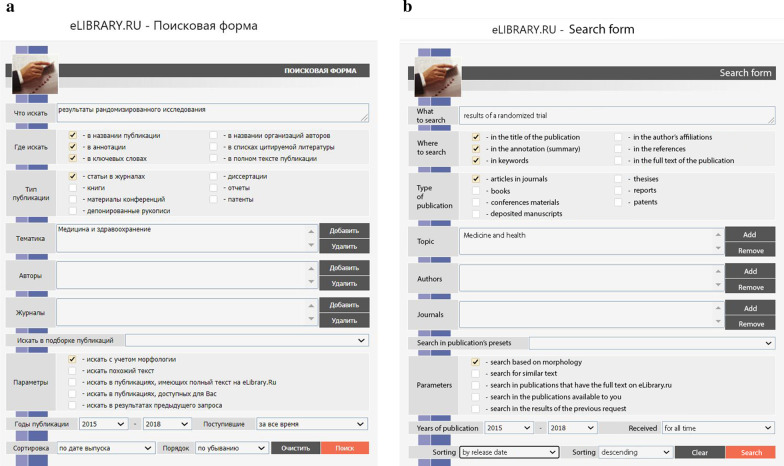
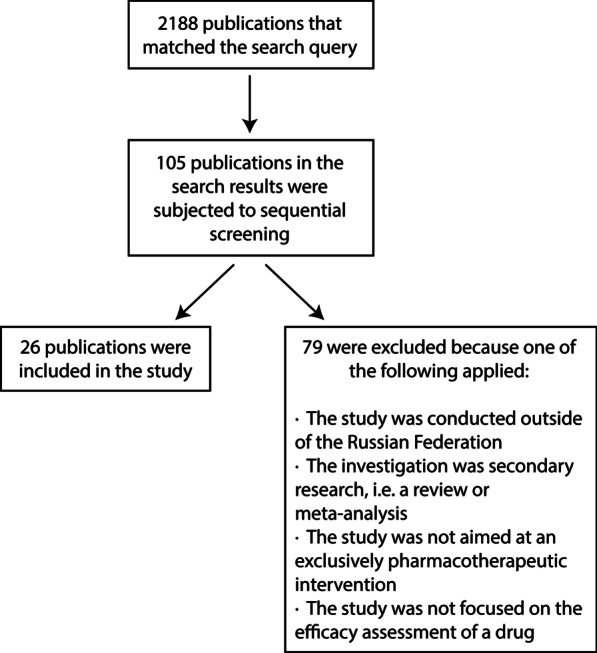
We searched the Russian language database eLIBRARY for the phrase 'results of a randomised trial'. We selected publications reporting clinical trials and conducted in Russia. For each of the selected studies, we searched the state register of the approved clinical trials. We assessed whether (1) the investigational medicinal product was approved for marketing in Russia; (2) the therapeutic indications, posology, and administration method in the clinical trial were consistent with the approved labelling; (3) the issue of the journal included an advertisement of the medicinal product in question; and (4) the full description of the methodology corroborated that the clinical trial was randomised, as was stated in the title or abstract.
Of the 26 selected articles, 22 reported the results of unauthorised clinical trials. Three of those trials were conducted in children. Twenty-one studies reported on data from unauthorised trials for investigational products approved for marketing in Russia. However, in nine cases, the therapeutic indications, posology, or administration method did not match the conditions indicated in the labelling. Moreover, in one case, the unauthorised trial included a drug therapy intervention where the active substance was not approved for use in any medicinal product marketed in Russia. In 14 of the 26 articles, the issue of the journal or the article itself contained an advertisement for the same medicinal product or, in one case, its manufacturer. All publications accompanied by advertisements claimed that the medicinal product in question was efficacious.
A substantial fraction of the clinical trials initiated by domestic sponsors and reported in Russian medical journals failed to obtain the mandatory prior evaluation and approval from the regulator. This can affect the rights and well-being of the study participants and the scientific validity of the studies.
在现代俄罗斯,任何用于人类的药物临床研究都需事先经过卫生部及其中央伦理委员会的评估和批准。尽管如此,一些研究人员和试验申办者仍未遵守规定,由国内申办者或申办者兼研究者发起并发表在俄语医学期刊上的研究尤其如此。这项探索性研究旨在查明这是偶尔的违规行为还是普遍现象。
我们在俄语数据库eLIBRARY中搜索了“随机试验结果”这一短语。我们选择了在俄罗斯进行并报告临床试验的出版物。对于每项选定的研究,我们在已批准临床试验的国家登记册中进行搜索。我们评估了:(1)试验用药品是否已在俄罗斯获批上市;(2)临床试验中的治疗适应症、剂量和给药方法是否与获批标签一致;(3)期刊的该期是否包含所涉药品的广告;(4)方法学的完整描述是否证实该临床试验如标题或摘要中所述为随机试验。
在选定的26篇文章中,22篇报告了未经授权的临床试验结果。其中三项试验是在儿童中进行的。21项研究报告了来自俄罗斯已获批上市的试验用产品未经授权试验的数据。然而,在9例中,治疗适应症、剂量或给药方法与标签中所示条件不符。此外,在1例中,未经授权的试验包括一种药物治疗干预,其中活性物质未被批准用于俄罗斯市场上销售的任何药品。在26篇文章中的14篇中,期刊的该期或文章本身包含了同一药品或在1例中其制造商的广告。所有附有广告的出版物都声称所涉药品有效。
由国内申办者发起并在俄罗斯医学期刊上报道的临床试验中,很大一部分未获得监管机构的强制事先评估和批准。这可能会影响研究参与者的权益和福祉以及研究的科学有效性。