Davisson Erin K, Hoyle Rick H, Andrade Fernanda
Department of Psychology and Neuroscience, Duke University.
Pers Individ Dif. 2021 Sep;179. doi: 10.1016/j.paid.2021.110907. Epub 2021 Apr 12.
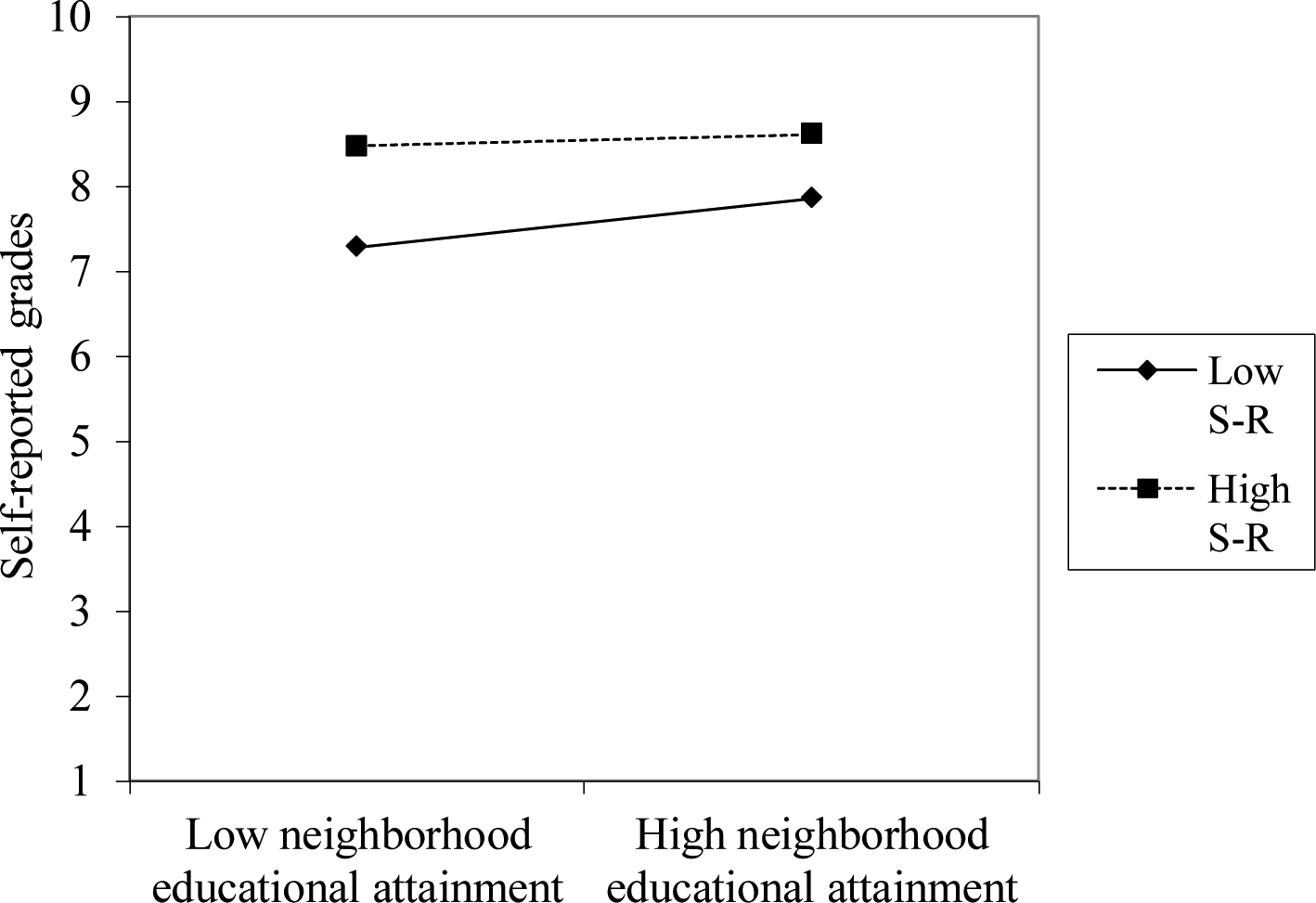
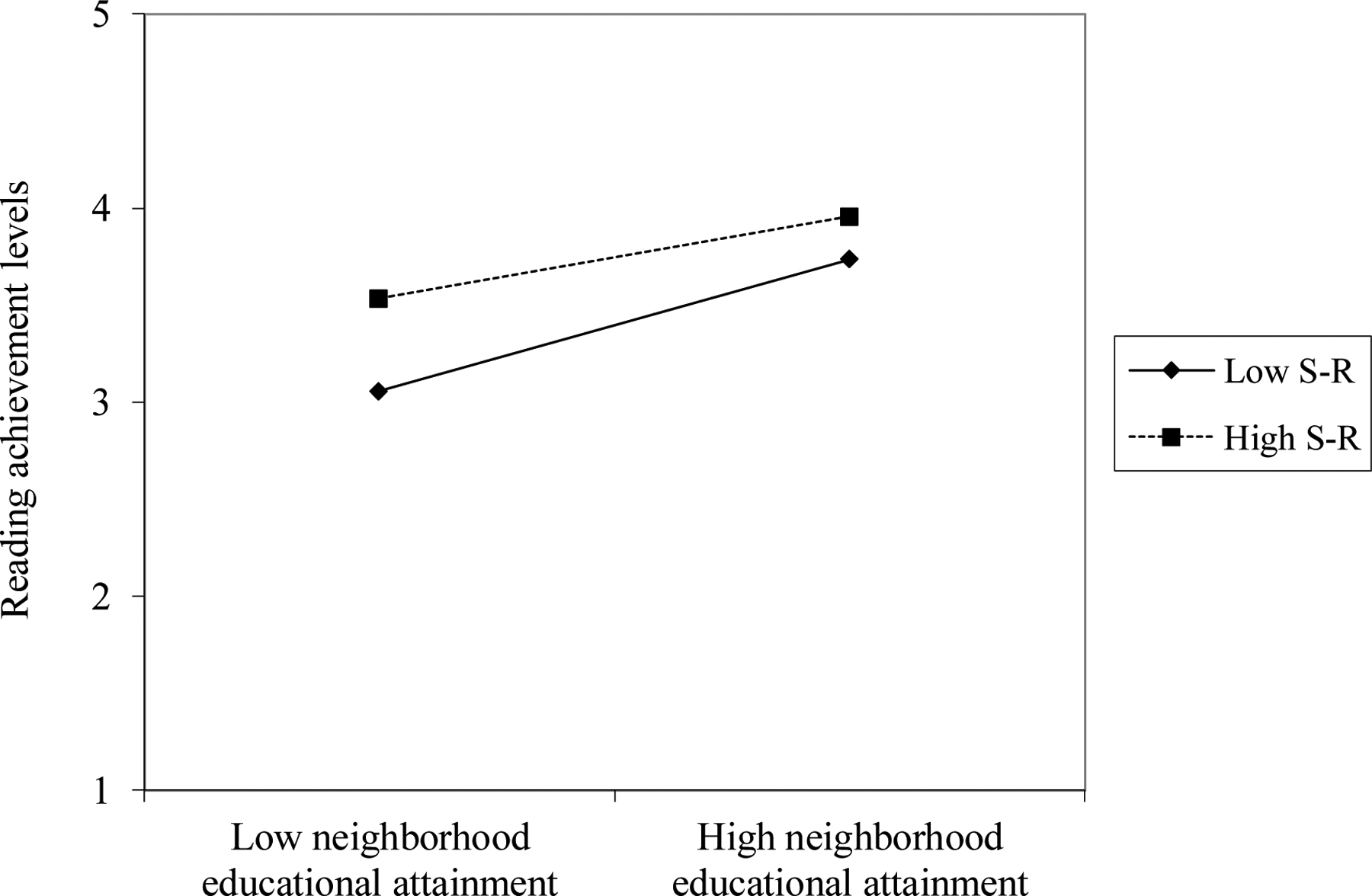
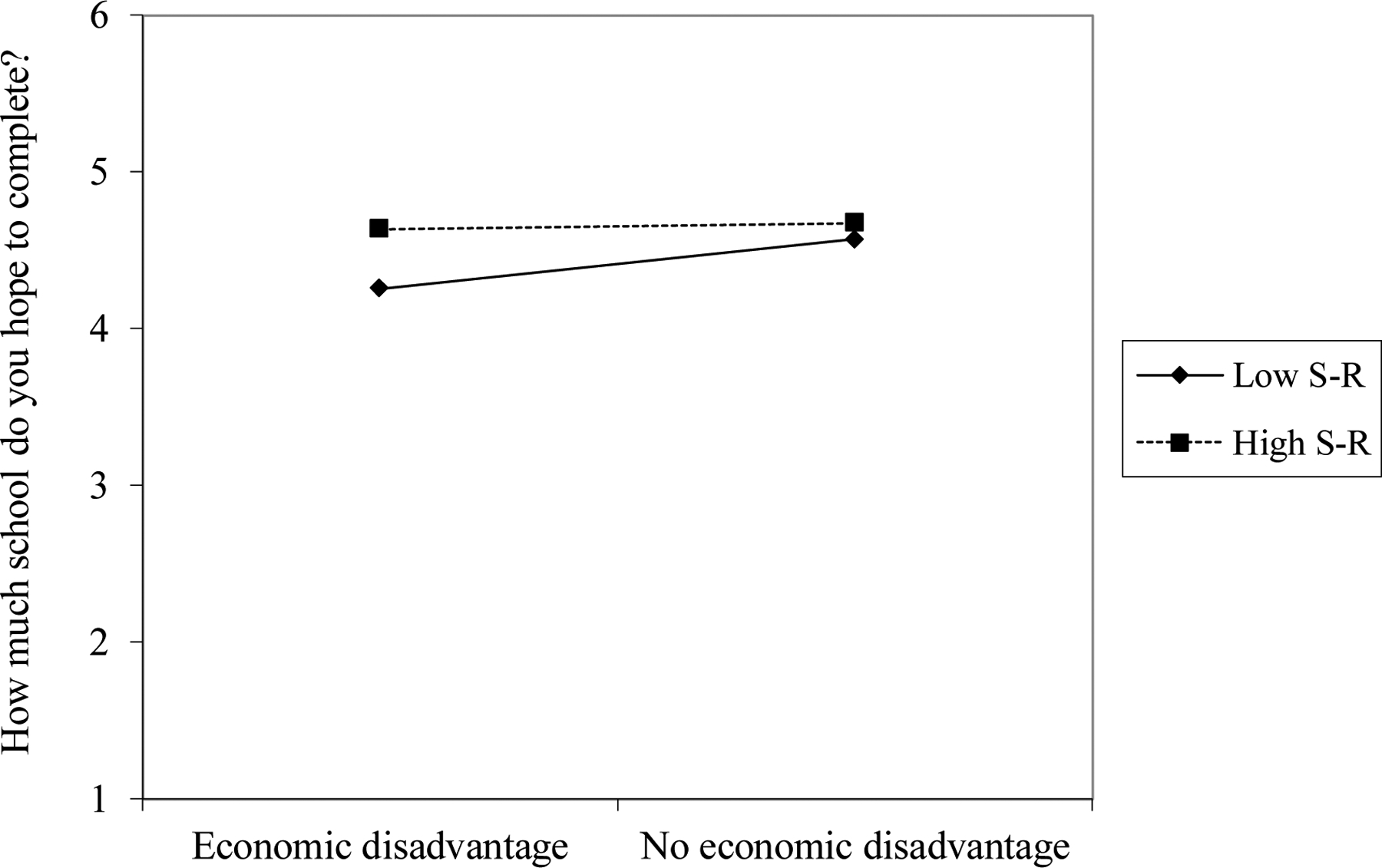
Many studies have documented the role of self-regulation in predicting academic outcomes. However, fewer have comprehensively measured self-regulation or considered it simultaneously with contextual variables to test formally the often-advanced "risk-buffering" hypothesis, wherein self-regulatory skill protects against contextual risk factors. In a large, regionally representative sample of U.S. adolescents, we linked self-reported demographics, self-regulation, and academic outcomes to Census data assessing neighborhood context and administrative data measuring economic disadvantage and achievement levels on state end-of-grade tests. We find inconsistent evidence for a risk-buffering role of self-regulation in the prediction of academic outcomes. Rather, we demonstrate that self-regulation is independently associated with academic outcomes, even when controlling for demographics and context.
许多研究都记录了自我调节在预测学业成绩方面的作用。然而,较少有研究全面衡量自我调节,或在测试常被提出的“风险缓冲”假说时,将其与情境变量同时考虑,该假说认为自我调节技能可抵御情境风险因素。在一个具有美国青少年区域代表性的大样本中,我们将自我报告的人口统计学信息、自我调节能力和学业成绩与评估邻里环境的人口普查数据以及衡量经济劣势和州级年级末考试成绩水平的行政数据相联系。我们发现,在预测学业成绩方面,自我调节的风险缓冲作用证据并不一致。相反,我们证明,即使在控制了人口统计学因素和情境因素后,自我调节能力仍与学业成绩独立相关。