Department of Applied Computer- and Biosciences, University of Applied Sciences Mittweida, Mittweida, Germany.
African Institute for Mathematical Sciences Cameroon, Limbe, Cameroon.
PLoS One. 2021 Apr 22;16(4):e0245417. doi: 10.1371/journal.pone.0245417. eCollection 2021.
COVID-19 vaccines are approved, vaccination campaigns are launched, and worldwide return to normality seems within close reach. Nevertheless, concerns about the safety of COVID-19 vaccines arose, due to their fast emergency approval. In fact, the problem of antibody-dependent enhancement was raised in the context of COVID-19 vaccines.
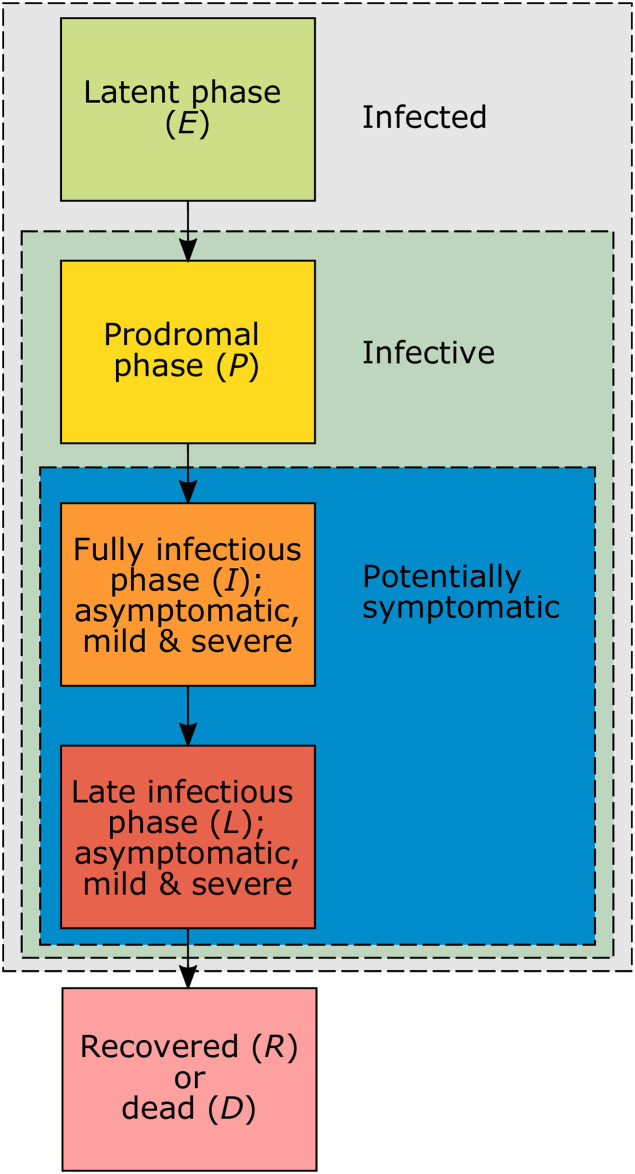
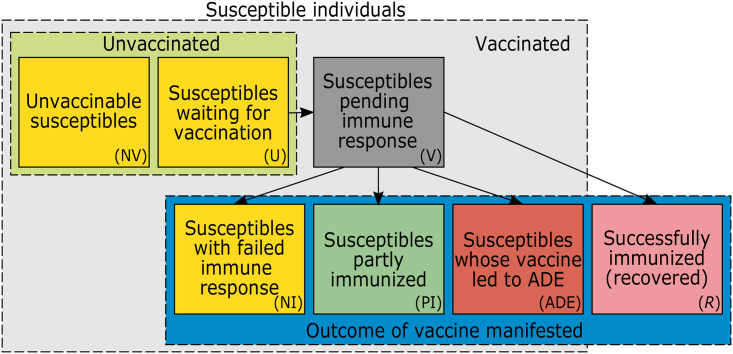
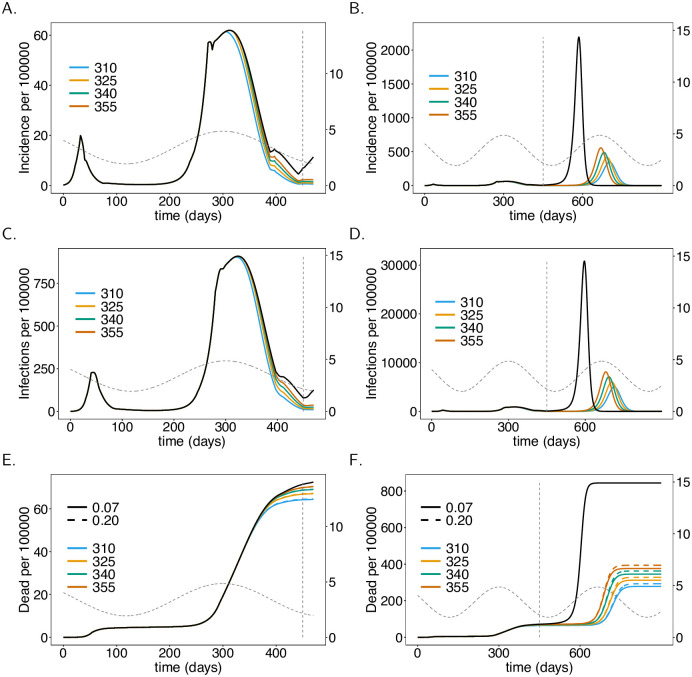
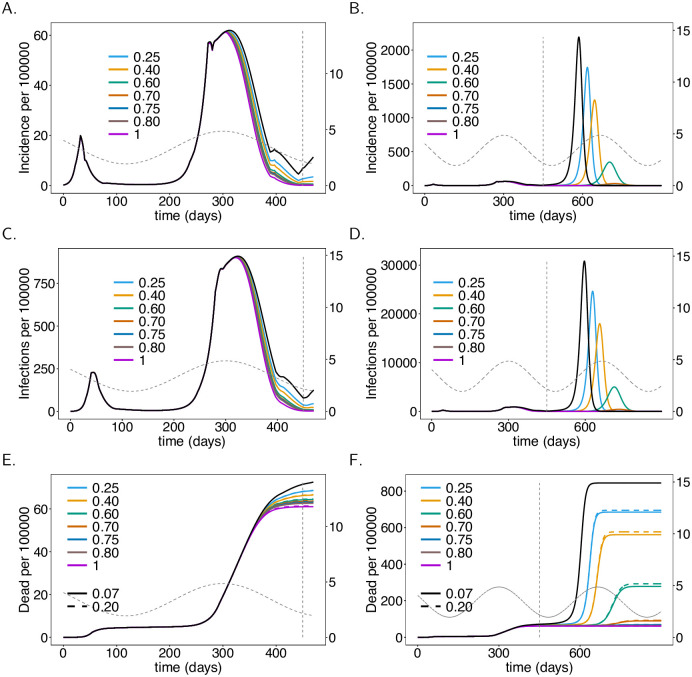
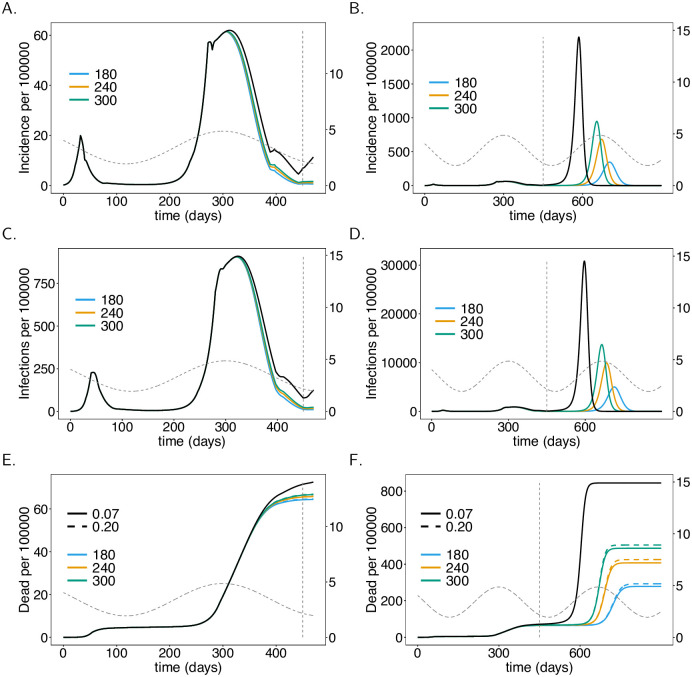
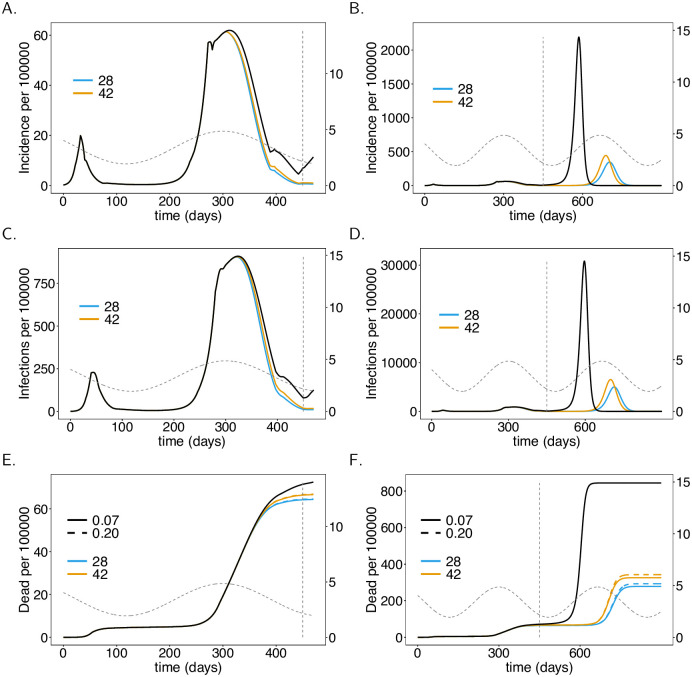
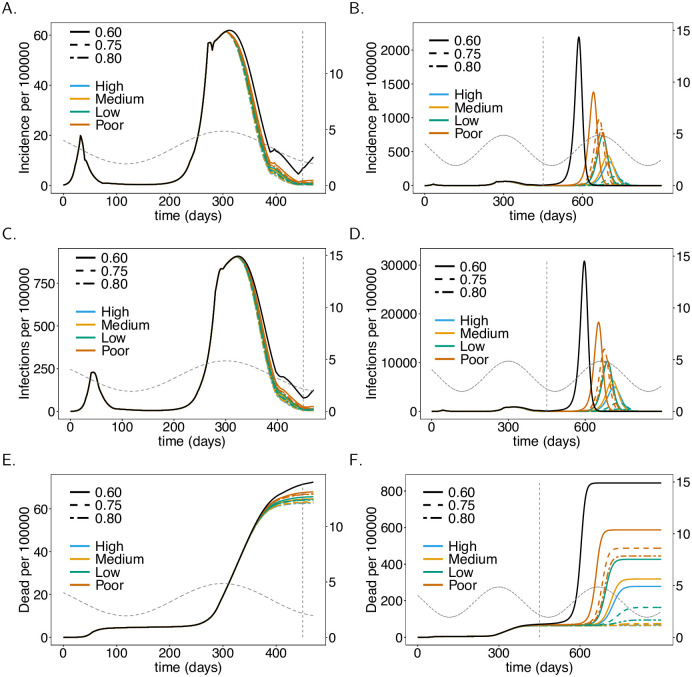
We introduce a complex extension of the model underlying the pandemic preparedness tool CovidSim 1.1 (http://covidsim.eu/) to optimize vaccination strategies with regard to the onset of campaigns, vaccination coverage, vaccination schedules, vaccination rates, and efficiency of vaccines. Vaccines are not assumed to immunize perfectly. Some individuals fail to immunize, some reach only partial immunity, and-importantly-some develop antibody-dependent enhancement, which increases the likelihood of developing symptomatic and severe episodes (associated with higher case fatality) upon infection. Only a fraction of the population will be vaccinated, reflecting vaccination hesitancy or contraindications. The model is intended to facilitate decision making by exploring ranges of parameters rather than to be fitted by empirical data. We parameterized the model to reflect the situation in Germany and predict increasing incidence (and prevalence) in early 2021 followed by a decline by summer. Assuming contact reductions (curfews, social distancing, etc.) to be lifted in summer, disease incidence will peak again. Fast vaccine deployment contributes to reduce disease incidence in the first quarter of 2021, and delay the epidemic outbreak after the summer season. Higher vaccination coverage results in a delayed and reduced epidemic peak. A coverage of 75%-80% is necessary to prevent an epidemic peak without further drastic contact reductions.
With the vaccine becoming available, compliance with contact reductions is likely to fade. To prevent further economic damage from COVID-19, high levels of immunization need to be reached before next year's flu season, and vaccination strategies and disease management need to be flexibly adjusted. The predictive model can serve as a refined decision support tool for COVID-19 management.
COVID-19 疫苗已获得批准,疫苗接种活动已经启动,全球似乎即将恢复正常。然而,由于其快速的紧急批准,人们对 COVID-19 疫苗的安全性产生了担忧。事实上,在 COVID-19 疫苗的背景下,提出了抗体依赖性增强的问题。
我们引入了对大流行防范工具 CovidSim 1.1(http://covidsim.eu/)基础模型的复杂扩展,以优化疫苗接种策略,包括疫苗接种活动的开始时间、接种覆盖率、接种计划、接种率和疫苗的效率。疫苗接种并不被假设为完全免疫。一些人无法免疫,一些人只能达到部分免疫,而且重要的是,一些人会发生抗体依赖性增强,这会增加感染后出现症状和严重发作(与更高的病死率相关)的可能性。只有一部分人口将接种疫苗,这反映了疫苗接种犹豫或禁忌症。该模型旨在通过探索参数范围来促进决策制定,而不是通过经验数据进行拟合。我们对模型进行了参数化,以反映德国的情况,并预测 2021 年初发病率(和患病率)增加,然后在夏季下降。假设夏季解除接触减少(宵禁、社交距离等),疾病发病率将再次达到高峰。快速部署疫苗有助于减少 2021 年第一季度的疾病发病率,并延迟夏季后的疫情爆发。更高的疫苗接种覆盖率将导致疫情高峰延迟和减少。需要达到 75%-80%的覆盖率才能在不进一步大幅减少接触的情况下防止疫情高峰。
随着疫苗的推出,接触减少的遵守情况可能会减弱。为了防止 COVID-19 造成进一步的经济损失,需要在明年的流感季节之前达到高水平的免疫接种率,并且需要灵活调整疫苗接种策略和疾病管理。预测模型可以作为 COVID-19 管理的精细决策支持工具。