Gudi Radhika R, Janakiraman Harinarayanan, Howe Philip H, Palanisamy Viswanathan, Vasu Chenthamarakshan
Department of Microbiology and Immunology, Medical University of South Carolina, Charleston, South Carolina, USA.
Department of Biochemistry, Medical University of South Carolina, Charleston, South Carolina, USA.
Oncotarget. 2021 Apr 13;12(8):807-822. doi: 10.18632/oncotarget.27932.
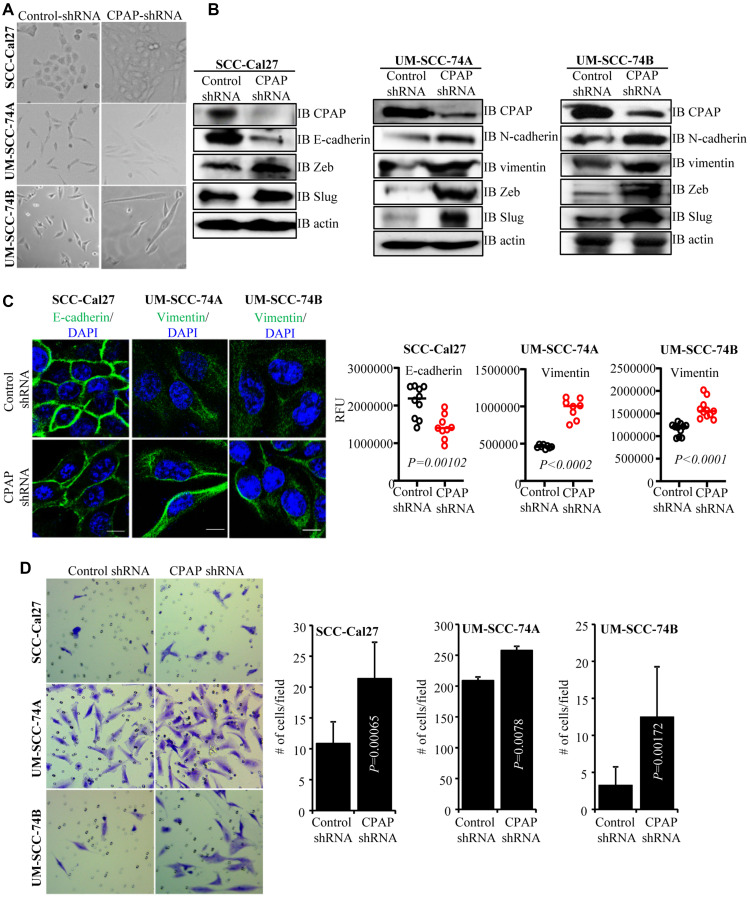
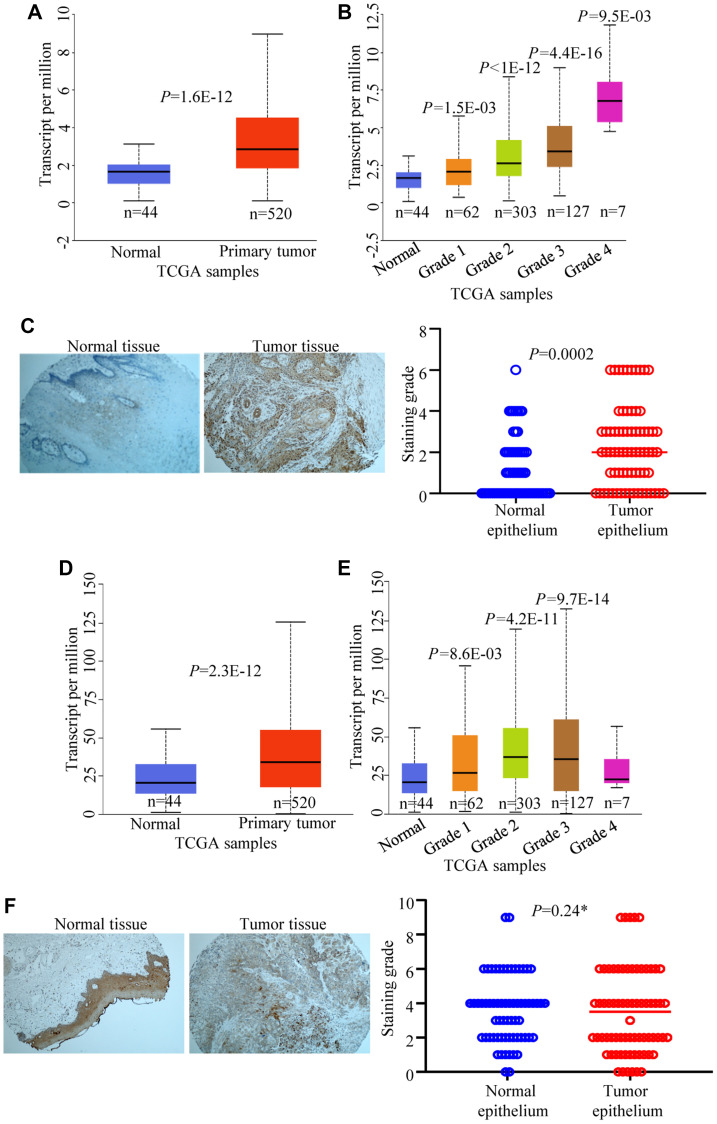
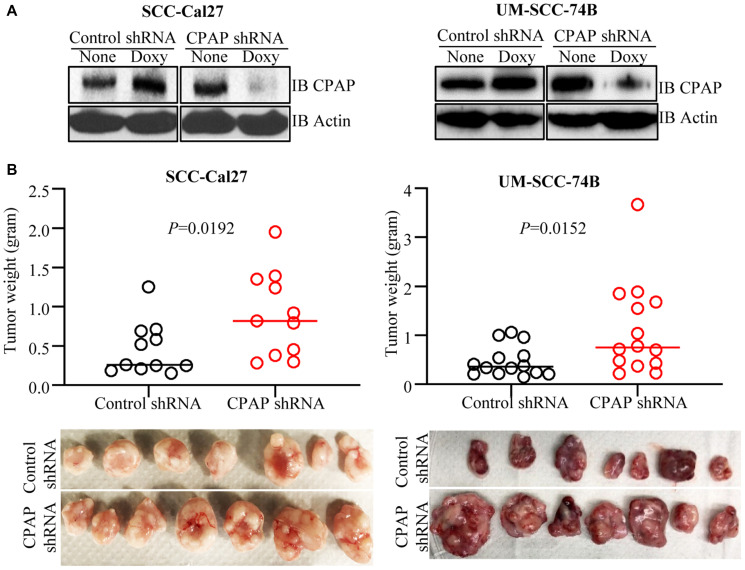
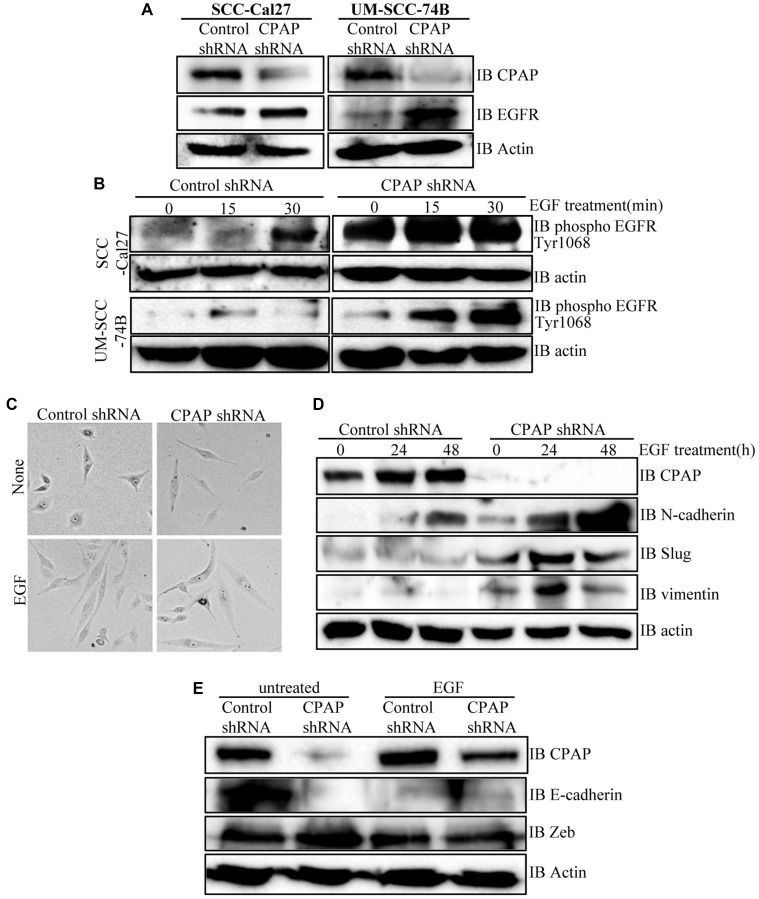
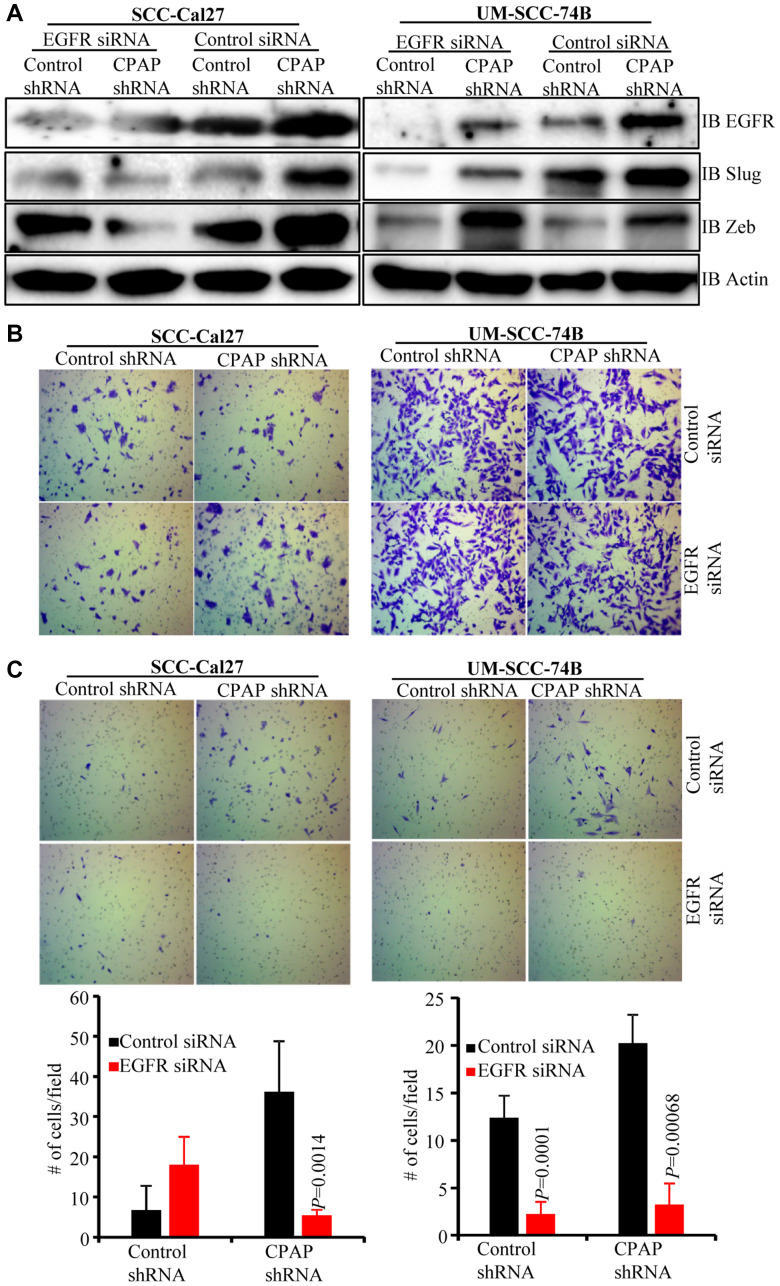
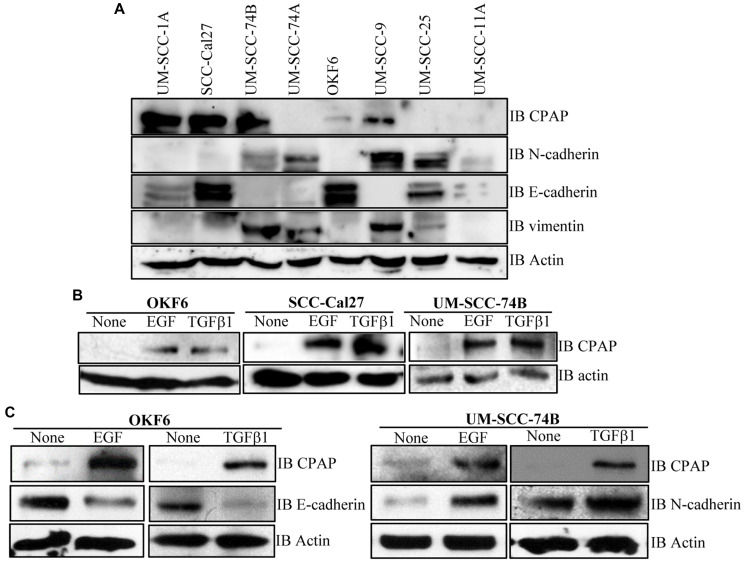
Higher epidermal growth factor receptor (EGFR) signaling can contribute to tumor metastasis and resistance to therapies in oral squamous cell carcinoma (OSCC). EGFR signaling can promote epithelial-mesenchymal transition (EMT) in OSCC. EMT is a process by which epithelial cells acquire invasive properties and it can contribute to tumor metastasis. Not only do the abnormal functions of microtubule and microtubule-organizing centers (MTOC) such as centrosomes lead to cancers, but also the malignant tissues are characterized by aberrant centriolar features and amplified centrosomes. Microtubule inhibition therapies increase the sensitivity to EGFR targeting drugs in various cancers. In this study, we show that the loss of expression of a microtubule/tubulin binding protein, centrosomal protein 4.1-associated protein (CPAP), which is critical for centriole biogenesis and normal functioning of the centrosome, caused an increase in the EGFR levels and its signaling and, enhanced the EMT features and invasiveness of OSCC cells. Further, depletion of CPAP enhanced the tumorigenicity of these cells in a xeno-transplant model. Importantly, CPAP loss-associated EMT features and invasiveness of multiple OSCC cells were attenuated upon depletion of EGFR in them. On the other hand, we found that CPAP protein levels were higher in EGF treated OSCC cells as well as in oral cancer tissues, suggesting that the frequently reported aberrant centriolar features of tumors are potentially a consequence, but not the cause, of tumor progression. Overall, our novel observations show that, in addition to its known indispensable role in centrosome biogenesis, CPAP also plays a vital role in suppressing tumorigenesis in OSCC by facilitating EGFR homeostasis.
较高的表皮生长因子受体(EGFR)信号传导可促使口腔鳞状细胞癌(OSCC)发生肿瘤转移并产生治疗抗性。EGFR信号传导可促进OSCC中的上皮-间质转化(EMT)。EMT是上皮细胞获得侵袭特性的过程,它可促使肿瘤转移。不仅微管和微管组织中心(MTOC)(如中心体)的异常功能会导致癌症,而且恶性组织的特征还包括异常的中心粒特征和中心体扩增。微管抑制疗法可提高各种癌症对EGFR靶向药物的敏感性。在本研究中,我们发现,一种对中心粒生物发生和中心体正常功能至关重要的微管/微管蛋白结合蛋白——中心体蛋白4.1相关蛋白(CPAP)的表达缺失,导致EGFR水平及其信号传导增加,并增强了OSCC细胞的EMT特征和侵袭性。此外,在异种移植模型中,CPAP的缺失增强了这些细胞的致瘤性。重要的是,在多个OSCC细胞中,当EGFR被耗尽时,与CPAP缺失相关的EMT特征和侵袭性会减弱。另一方面,我们发现,在经表皮生长因子(EGF)处理的OSCC细胞以及口腔癌组织中,CPAP蛋白水平较高,这表明肿瘤中经常报道的异常中心粒特征可能是肿瘤进展的结果,而非原因。总体而言,我们的新发现表明,CPAP除了在中心体生物发生中发挥已知的不可或缺的作用外,还通过促进EGFR稳态在抑制OSCC肿瘤发生中发挥至关重要的作用。