National Centre for Disease Prevention and Health Promotion, Istituto Superiore di Sanità-Italian National Institute of Health, Rome, Italy.
PLoS One. 2021 Apr 23;16(4):e0250373. doi: 10.1371/journal.pone.0250373. eCollection 2021.
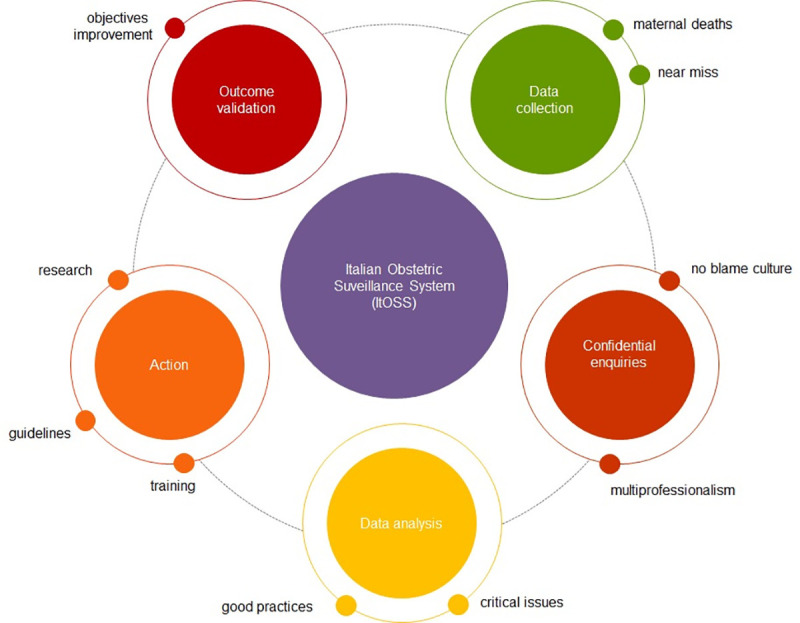
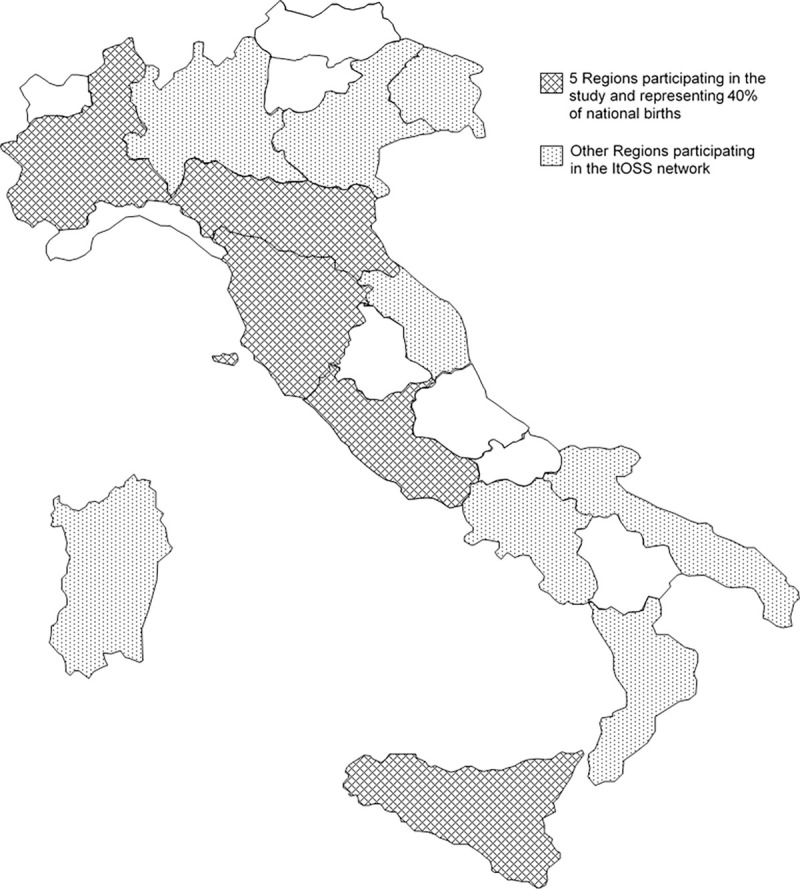
In this before and after cross-sectional analysis, the authors aim to assess the impact of the bundle of research and training initiatives implemented between 2013 and 2018, and coordinated by the Italian Obstetric Surveillance System (ItOSS) to reduce obstetric haemorrhagic emergencies in five selected Italian Regions. To this purpose, the haemorrhagic Maternal Mortality Ratios (MMR) per 100,000 live births were estimated before and after implementing the bundle, through the ItOSS's vital statistic linkage procedures and incident reporting and Confidential Enquiries. The research and training bundle was offered to all health professionals involved in pregnancy and birth care in the selected regions, representing 40% of national live births, and participating in the ItOSS audit cycle since its institution. The haemorrhagic MMR significantly decreased from 2.49/100,000 live births [95% CI 1.75 to 3.43] in the years 2007-2013 prior to the bundle implementation, to 0.77/100,000 live births [95% CI 0.31 to 1.58] in the years 2014-2018 after its implementation. According to the study results, the bundle of population-based initiatives might have contributed to reducing the haemorrhagic MMR in the participating regions, thus improving the quality of care of the major obstetric haemorrhage.
在这项前后横断面分析中,作者旨在评估 2013 年至 2018 年间实施的一系列研究和培训计划的影响,该计划由意大利产科监测系统(ItOSS)协调,旨在减少五个选定的意大利地区的产科出血紧急情况。为此,作者通过 ItOSS 的生命统计链接程序和事件报告以及机密调查,在实施该计划前后分别估算了每 10 万例活产的出血性孕产妇死亡率(MMR)。该研究和培训计划提供给参与选定地区妊娠和分娩护理的所有卫生专业人员,占全国活产的 40%,并自成立以来一直参与 ItOSS 的审计周期。出血性 MMR 从实施前的 2007-2013 年的 2.49/100,000 例活产[95%CI 1.75 至 3.43]显著下降到实施后的 2014-2018 年的 0.77/100,000 例活产[95%CI 0.31 至 1.58]。根据研究结果,基于人群的干预措施可能有助于降低参与地区的出血性 MMR,从而提高主要产科出血的护理质量。