Epigenetics and Diabetes Unit, Department of Clinical Sciences, Lund University Diabetes Centre, Lund University, Scania University Hospital, Malmö, Sweden.
Department of Physiology, Institute of Neuroscience and Physiology, Sahlgrenska Academy, University of Gothenburg, Gothenburg, Sweden.
Nat Commun. 2021 Apr 23;12(1):2431. doi: 10.1038/s41467-021-22068-5.
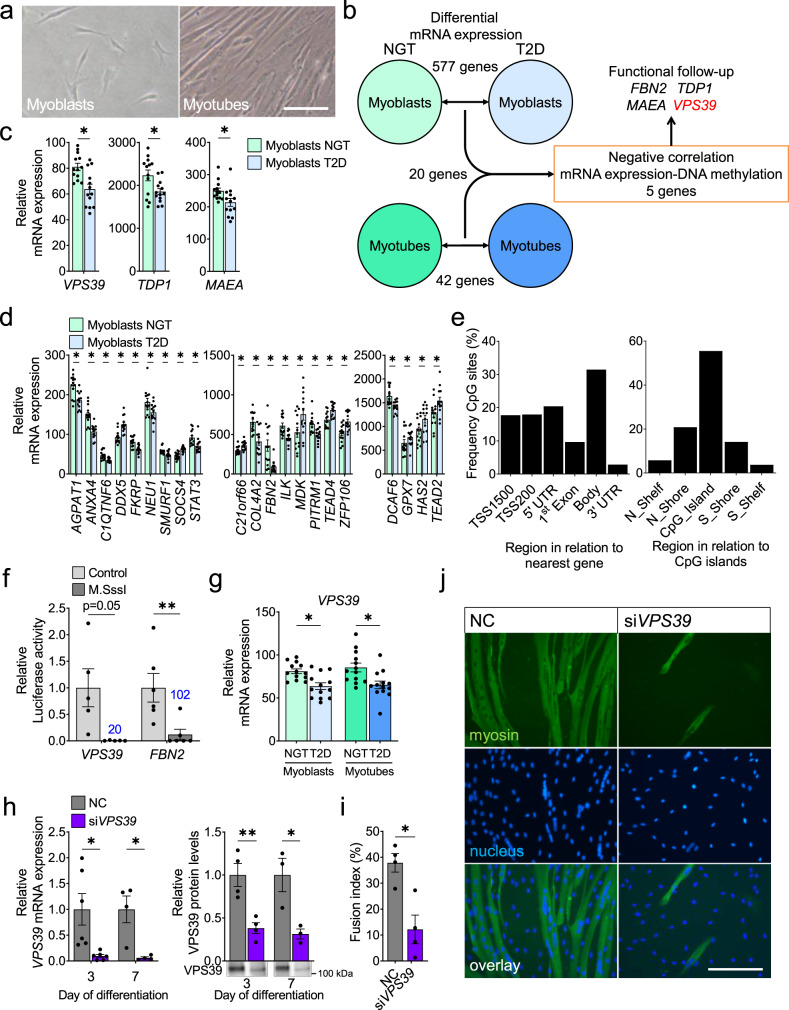
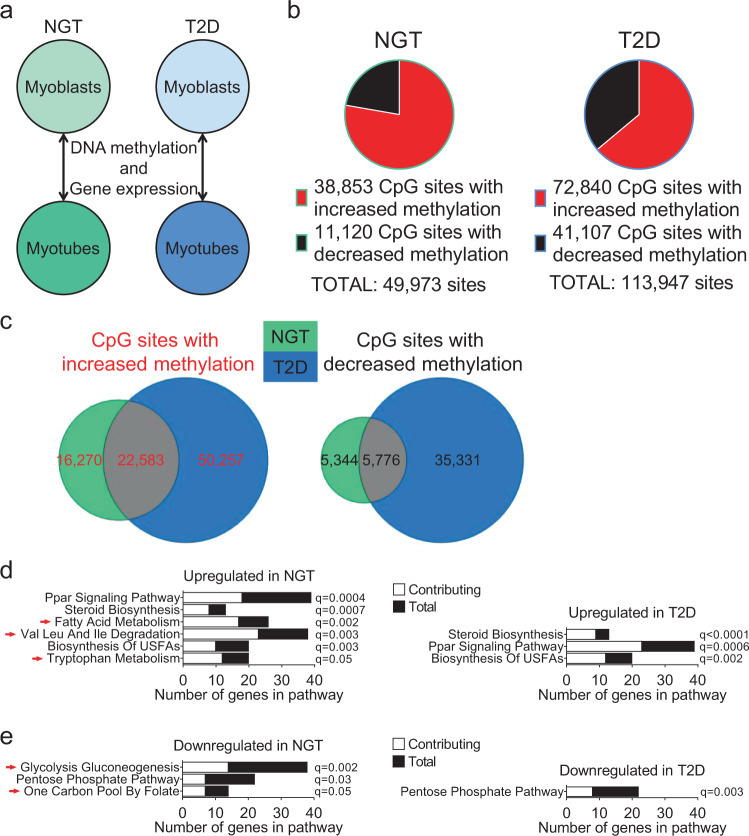
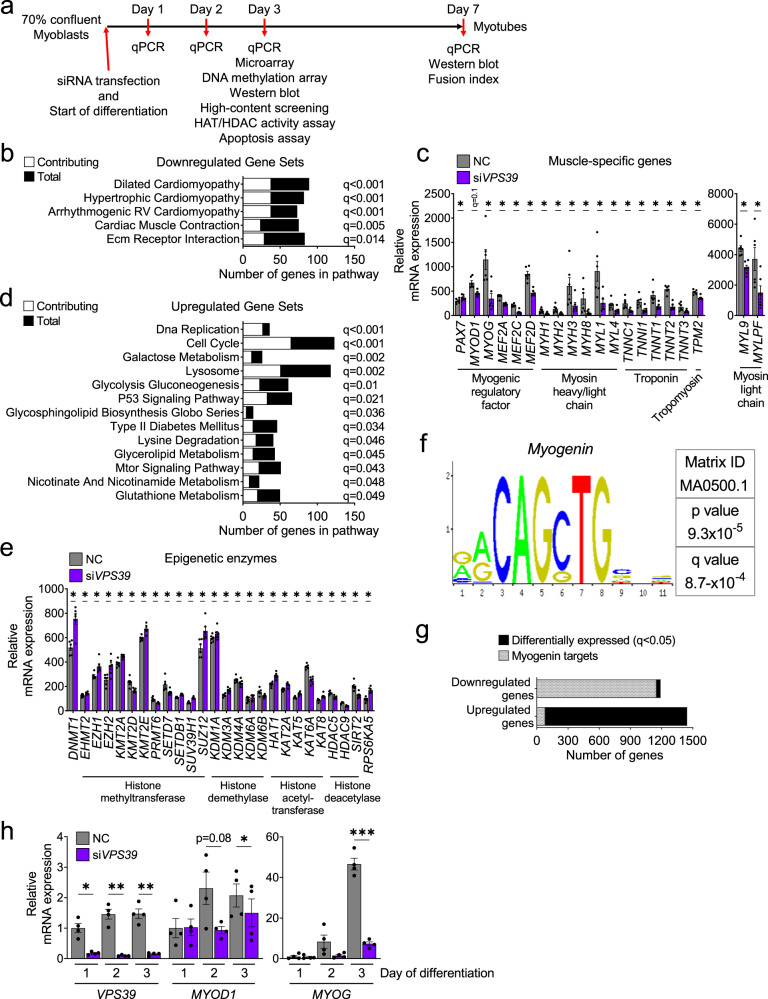
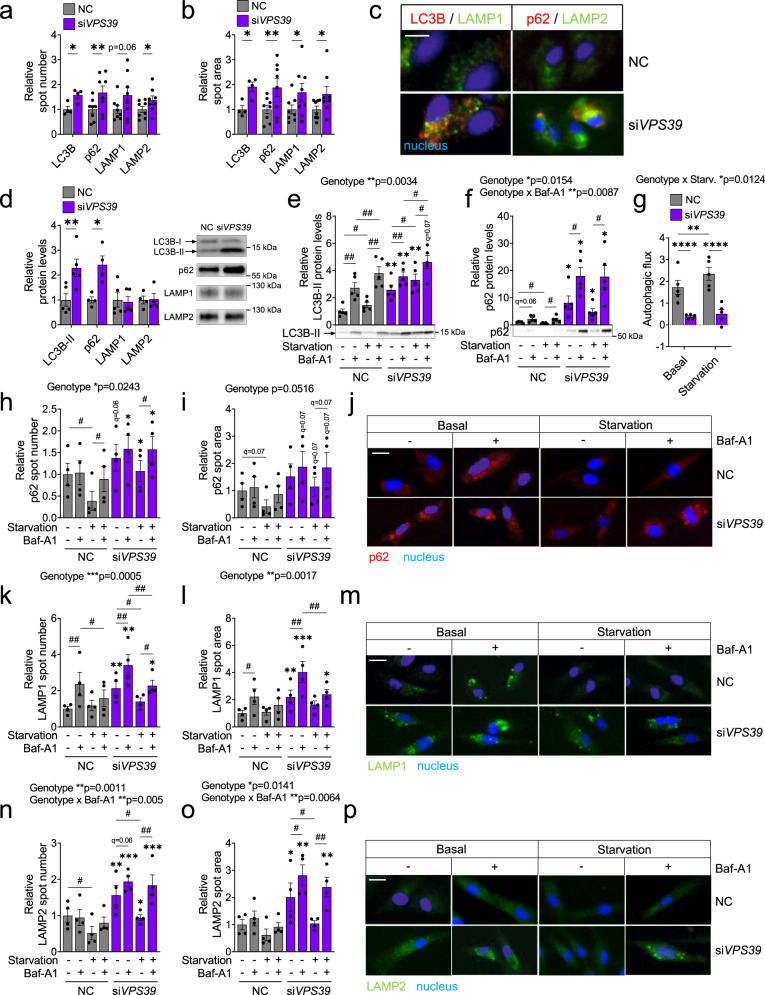
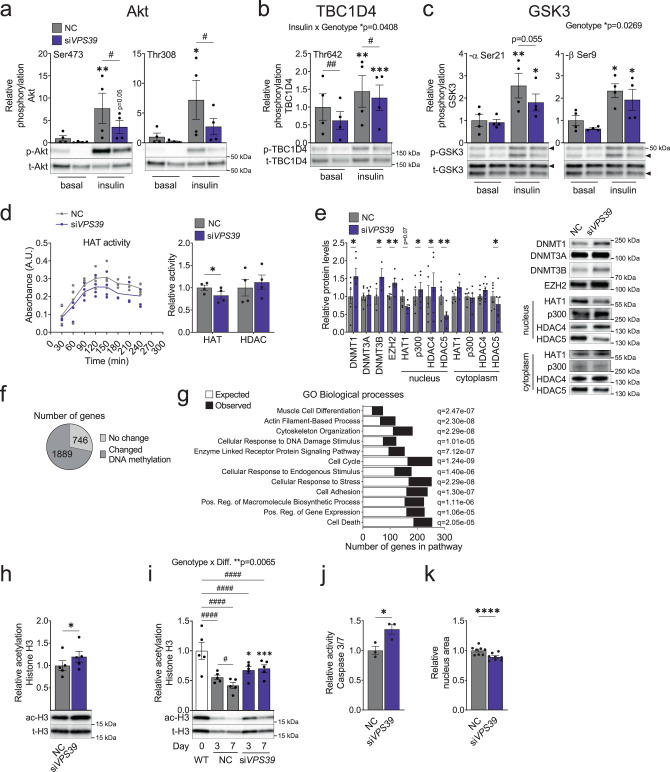
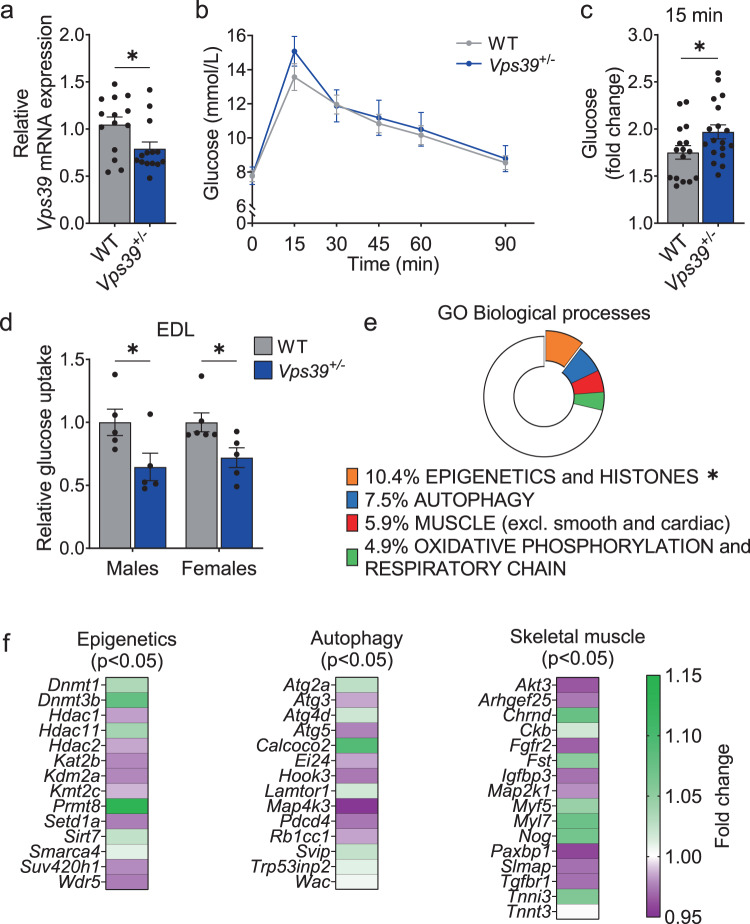
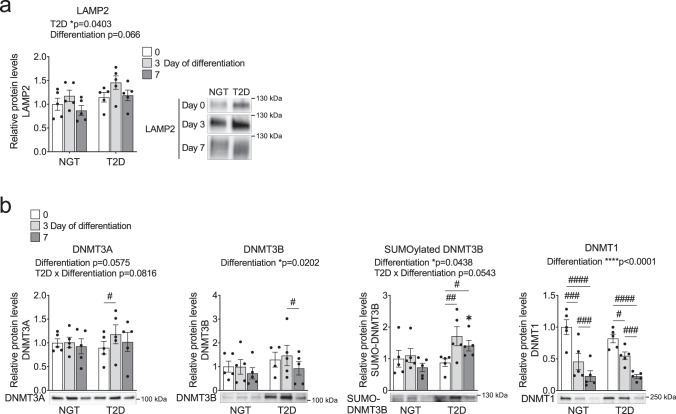
Insulin resistance and lower muscle quality (strength divided by mass) are hallmarks of type 2 diabetes (T2D). Here, we explore whether alterations in muscle stem cells (myoblasts) from individuals with T2D contribute to these phenotypes. We identify VPS39 as an important regulator of myoblast differentiation and muscle glucose uptake, and VPS39 is downregulated in myoblasts and myotubes from individuals with T2D. We discover a pathway connecting VPS39-deficiency in human myoblasts to impaired autophagy, abnormal epigenetic reprogramming, dysregulation of myogenic regulators, and perturbed differentiation. VPS39 knockdown in human myoblasts has profound effects on autophagic flux, insulin signaling, epigenetic enzymes, DNA methylation and expression of myogenic regulators, and gene sets related to the cell cycle, muscle structure and apoptosis. These data mimic what is observed in myoblasts from individuals with T2D. Furthermore, the muscle of Vps39 mice display reduced glucose uptake and altered expression of genes regulating autophagy, epigenetic programming, and myogenesis. Overall, VPS39-deficiency contributes to impaired muscle differentiation and reduced glucose uptake. VPS39 thereby offers a therapeutic target for T2D.
胰岛素抵抗和较低的肌肉质量(力量除以质量)是 2 型糖尿病(T2D)的特征。在这里,我们探讨了 T2D 个体的肌肉干细胞(成肌细胞)的改变是否导致这些表型。我们确定 VPS39 是成肌细胞分化和肌肉葡萄糖摄取的重要调节因子,并且 VPS39 在 T2D 个体的成肌细胞和成肌管中下调。我们发现了一条途径,将 VPS39 在人类成肌细胞中的缺陷与自噬受损、异常的表观遗传重编程、成肌调节因子的失调以及分化紊乱联系起来。VPS39 在人类成肌细胞中的敲低对自噬通量、胰岛素信号、表观遗传酶、DNA 甲基化和成肌调节因子的表达以及与细胞周期、肌肉结构和细胞凋亡相关的基因集有深远影响。这些数据模拟了在 T2D 个体的成肌细胞中观察到的情况。此外,Vps39 敲除小鼠的肌肉表现出葡萄糖摄取减少和调节自噬、表观遗传编程和肌发生的基因表达改变。总体而言,VPS39 缺陷导致肌肉分化受损和葡萄糖摄取减少。因此,VPS39 为 T2D 提供了一个治疗靶点。