Samaritan's Purse Canada, 20 Hopewell Way NE, Calgary, AB, Canada.
Sundar Dhoka Saathi Sewa, Bagdole - 4, PO Box 8975, EPC1961, Lalitpur, Nepal.
World J Surg. 2021 Aug;45(8):2347-2356. doi: 10.1007/s00268-021-06035-1. Epub 2021 Apr 23.
Injury and disability are prominent public health concerns, globally and in the country of Nepal. Lack of locally available medical infrastructure, socioeconomic barriers, social marginalization, poor health literacy, and cultural barriers prevent patients from accessing surgical and rehabilitative care. Overcoming these barriers is an insurmountable challenge for the most vulnerable and marginalized, resulting in absence of treatment or even death.
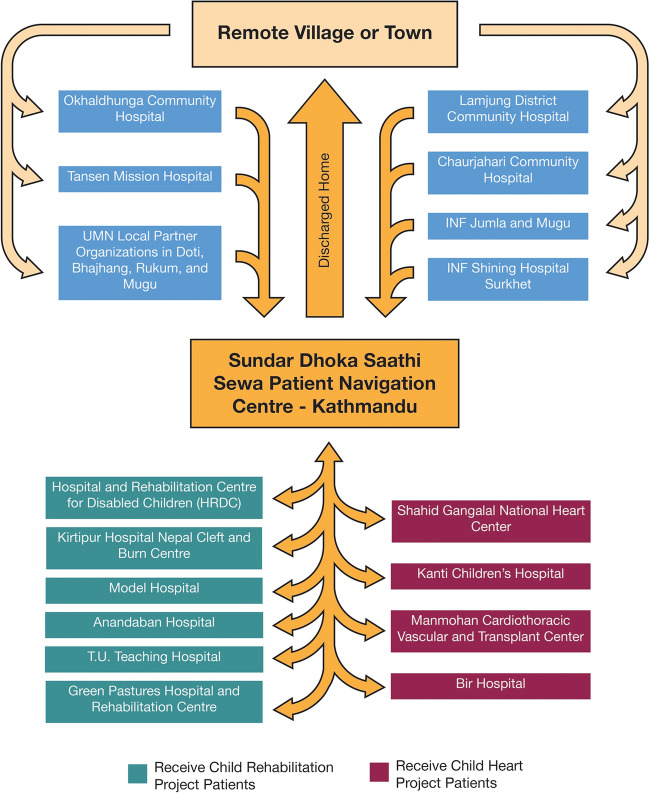
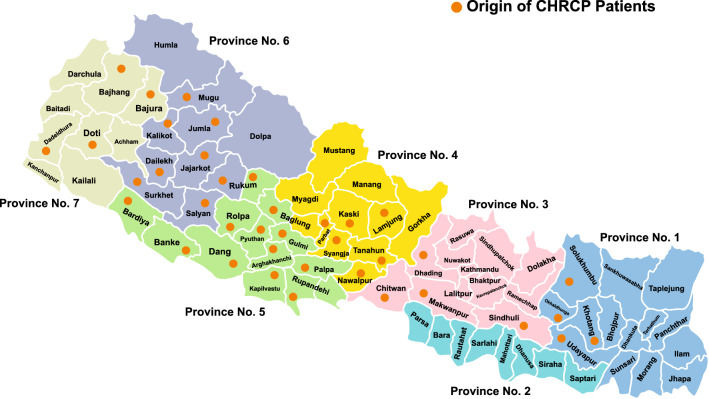
Sundar Dhoka Saathi Sewa (SDSS), a non-government organization, provides a patient navigation service which facilitates referrals to tertiary centers from Nepal's most remote areas. Specific criteria ensure that patient referrals are appropriate in regard to clinical and socioeconomic need, while comprehensive counselling helps guide the patient and family. The SDSS staff meet patients upon arrival in Kathmandu and facilitate admission to the appropriate tertiary hospital. They advocate for the patient, provide medicine, supply food and cover all treatment costs.
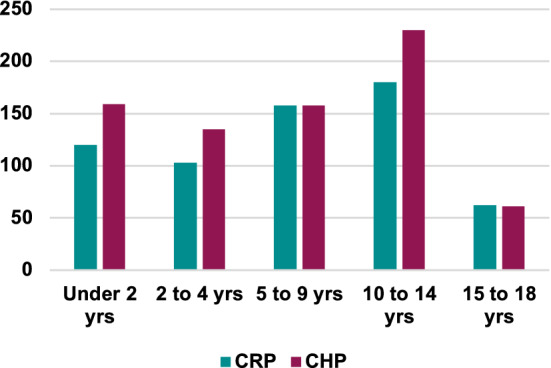
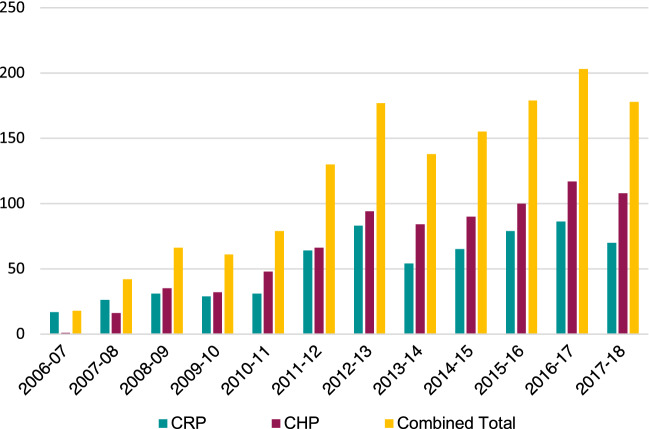
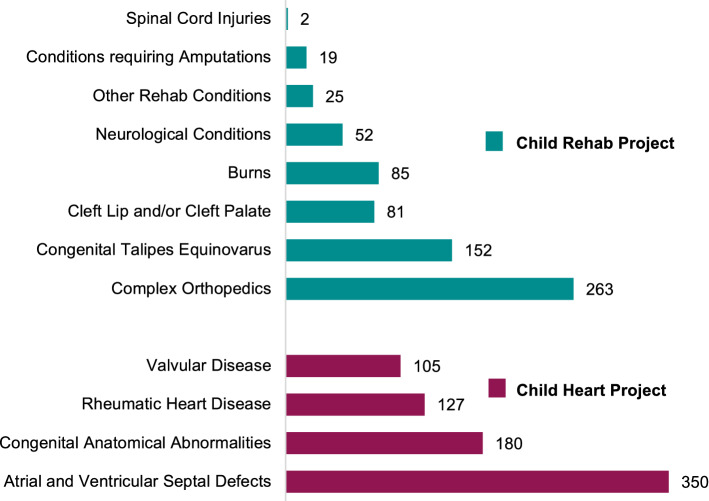
This project has enabled access to treatment for more than 1200 children for conditions leading to long-term disability and/or congenital heart disease. Interventions include a wide range of surgical and rehabilitative procedures such as complex orthopedics, cleft lip and palate, congenital talipes equinovarus, burn contractures, neurological cases, and cardiac surgery for valvular disease, septal defects and other congenital malformations.
The SDSS model of patient navigation is effective in overcoming the barriers to access surgical care and rehabilitation in Nepal. The success is owed to committed international donors, capacity building, effective counselling, advocacy, compassion, and community. We believe that this model could be replicated in other LMICs.
在全球范围内,尤其是在尼泊尔这样的国家,伤害和残疾是突出的公共卫生问题。由于缺乏当地可用的医疗基础设施、社会经济障碍、社会边缘化、健康素养低下以及文化障碍,患者无法获得手术和康复护理。对于最脆弱和边缘化的人群来说,克服这些障碍是一个无法逾越的挑战,导致他们无法得到治疗,甚至死亡。
Sundar Dhoka Saathi Sewa(SDSS)是一家非政府组织,它提供患者导航服务,为尼泊尔最偏远地区的患者转诊到三级中心提供便利。具体标准确保了患者转诊在临床和社会经济需求方面的合理性,而全面的咨询则有助于指导患者和家属。SDSS 工作人员在加德满都接待患者,并协助他们入住合适的三级医院。他们为患者辩护,提供药物,供应食物,并承担所有治疗费用。
该项目使 1200 多名患有导致长期残疾和/或先天性心脏病的儿童能够接受治疗。干预措施包括广泛的手术和康复程序,如复杂的骨科、唇腭裂、先天性马蹄内翻足、烧伤挛缩、神经病例以及心脏瓣膜疾病、间隔缺损和其他先天性畸形的手术。
SDSS 的患者导航模式在克服尼泊尔获得手术护理和康复的障碍方面是有效的。成功归因于坚定的国际捐助者、能力建设、有效的咨询、宣传、同情和社区。我们相信,这种模式可以在其他 LMIC 中复制。