Department of Physiology and Cell Biology, University of Nevada, Reno School of Medicine, Reno, Nevada.
Department of Physiology and Cell Biology, University of Nevada, Reno School of Medicine, Reno, Nevada.
Gastroenterology. 2021 Aug;161(2):608-622.e7. doi: 10.1053/j.gastro.2021.04.040. Epub 2021 Apr 23.
BACKGROUND & AIMS: Constipation is commonly associated with diabetes. Serotonin (5-HT), produced predominantly by enterochromaffin (EC) cells via tryptophan hydroxylase 1 (TPH1), is a key modulator of gastrointestinal (GI) motility. However, the role of serotonergic signaling in constipation associated with diabetes is unknown.
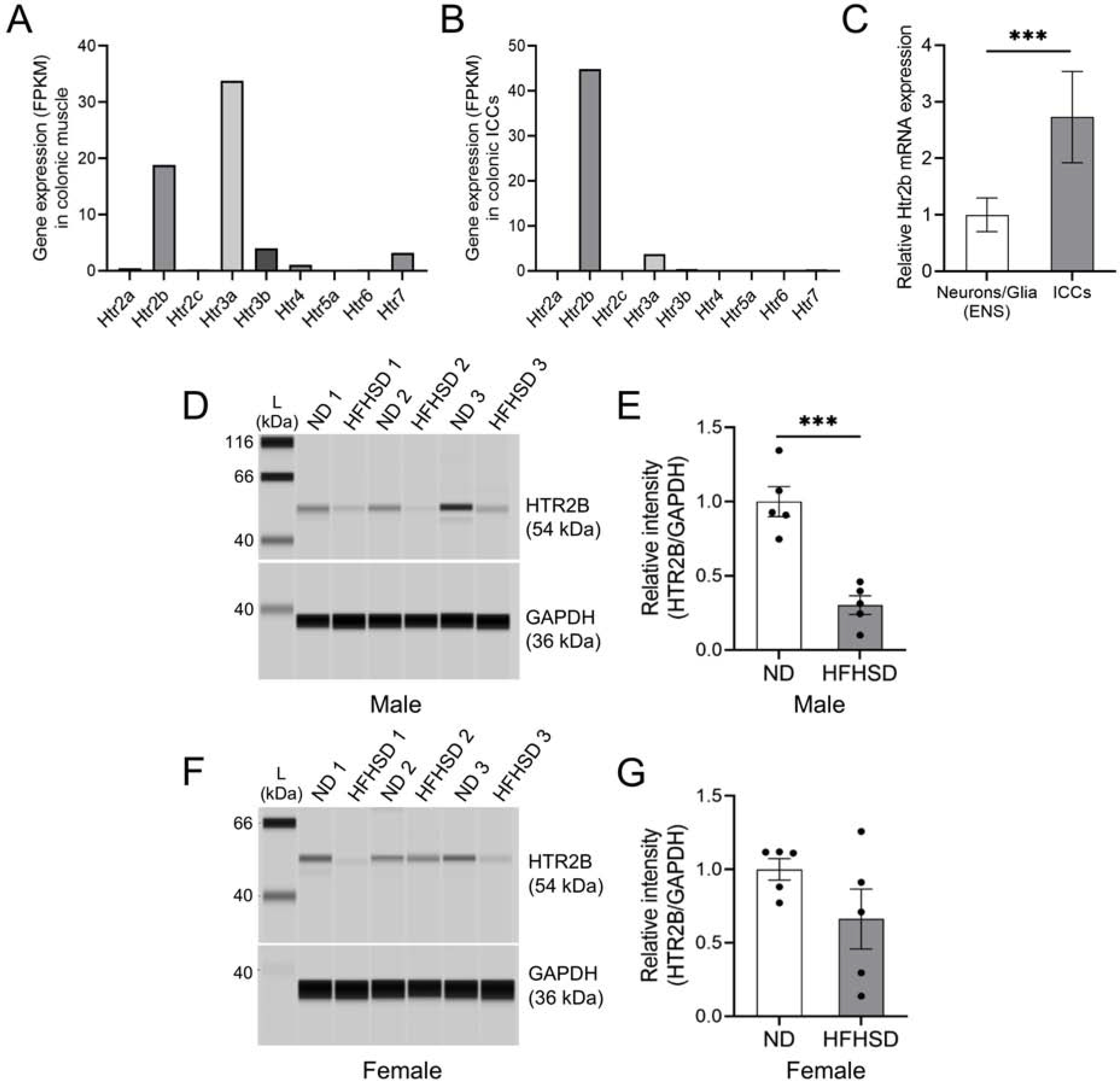
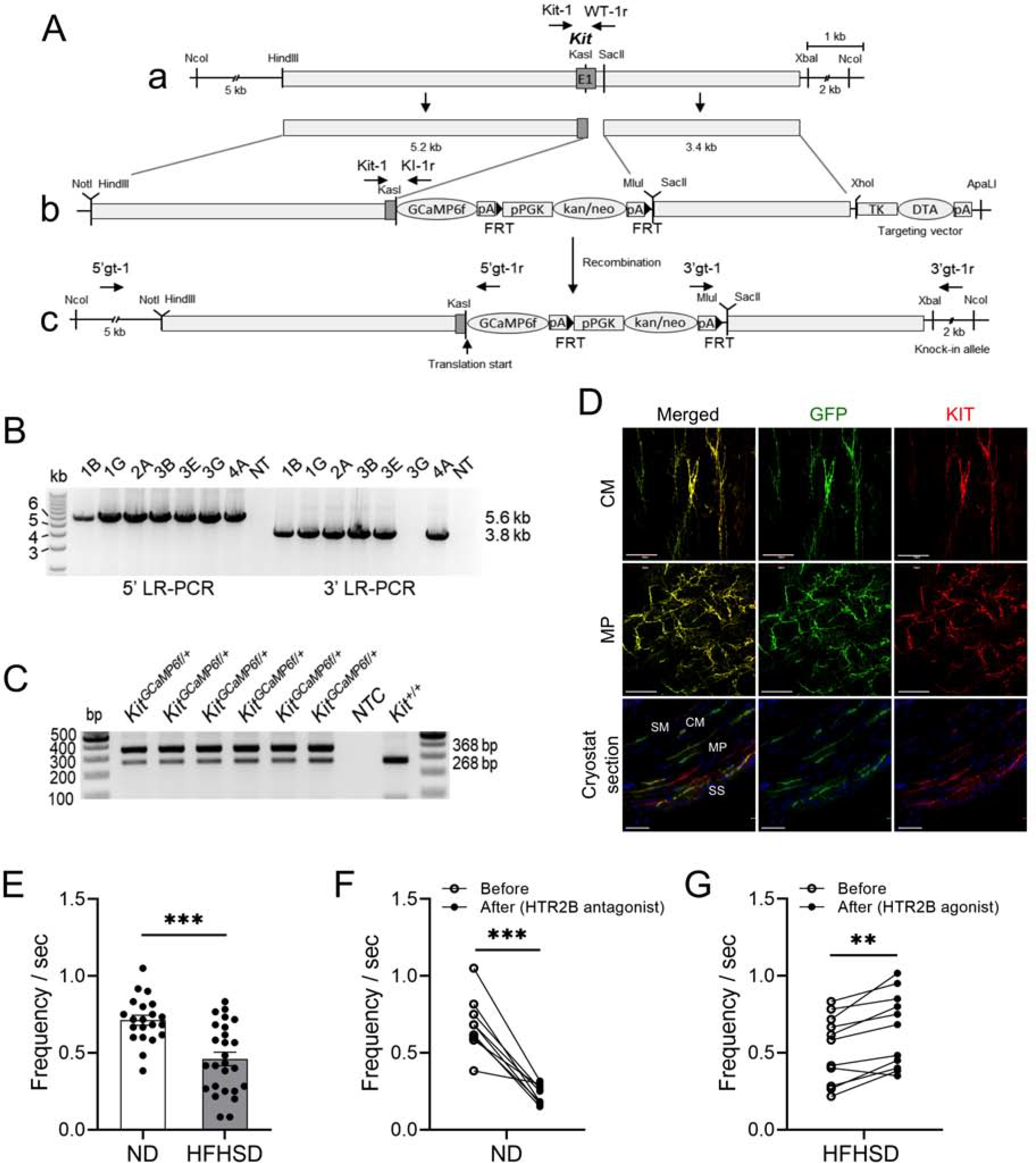
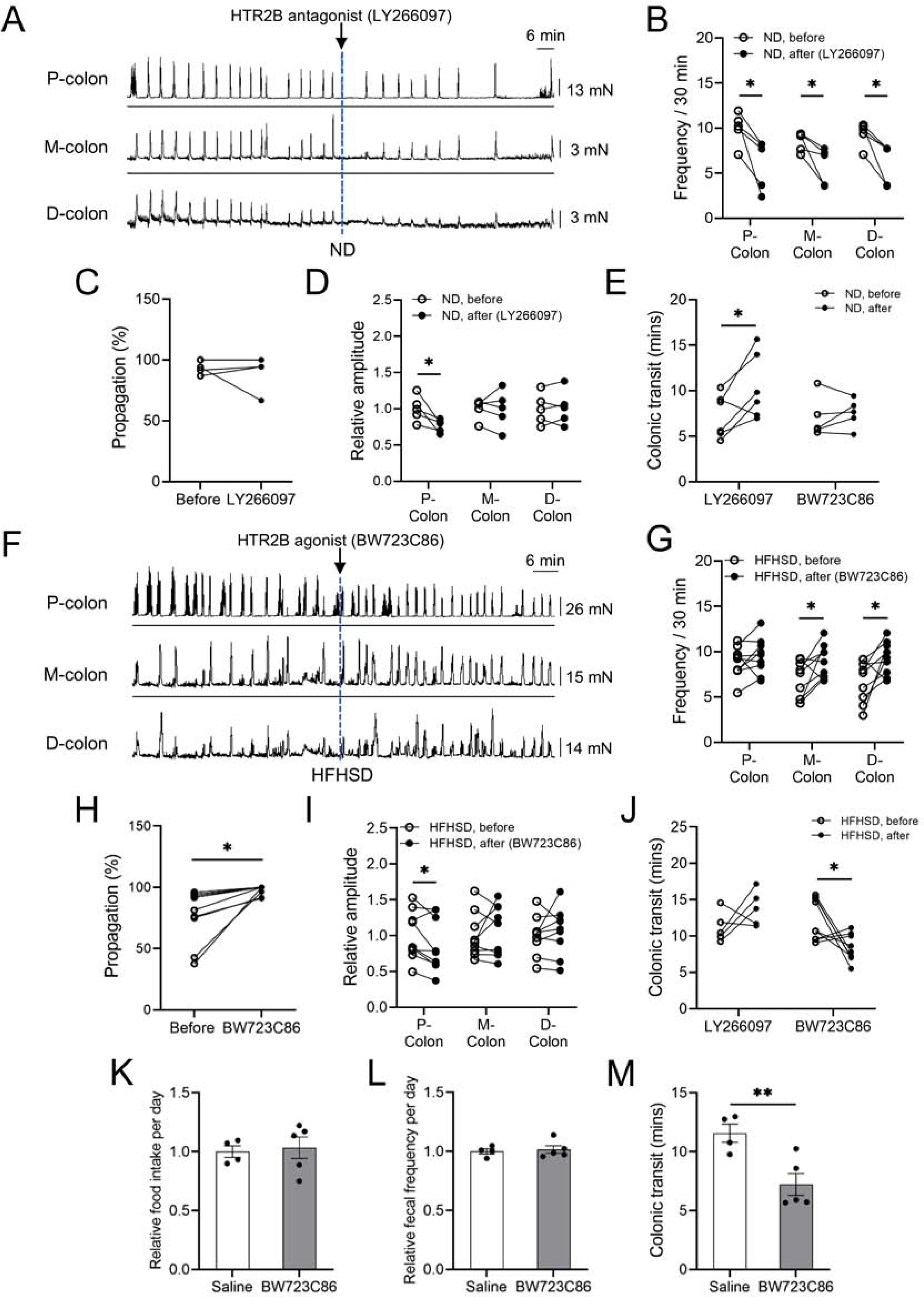
We generated EC cell reporter Tph1-tdTom, EC cell-depleted Tph1-DTA, combined Tph1-tdTom-DTA, and interstitial cell of Cajal (ICC)-specific Kit-GCaMP6 mice. Male mice and surgically ovariectomized female mice were fed a high-fat high-sucrose diet to induce diabetes. The effect of serotonergic signaling on GI motility was studied by examining 5-HT receptor expression in the colon and in vivo GI transit, colonic migrating motor complexes (CMMCs), and calcium imaging in mice treated with either a 5-HT receptor (HTR2B) antagonist or agonist.
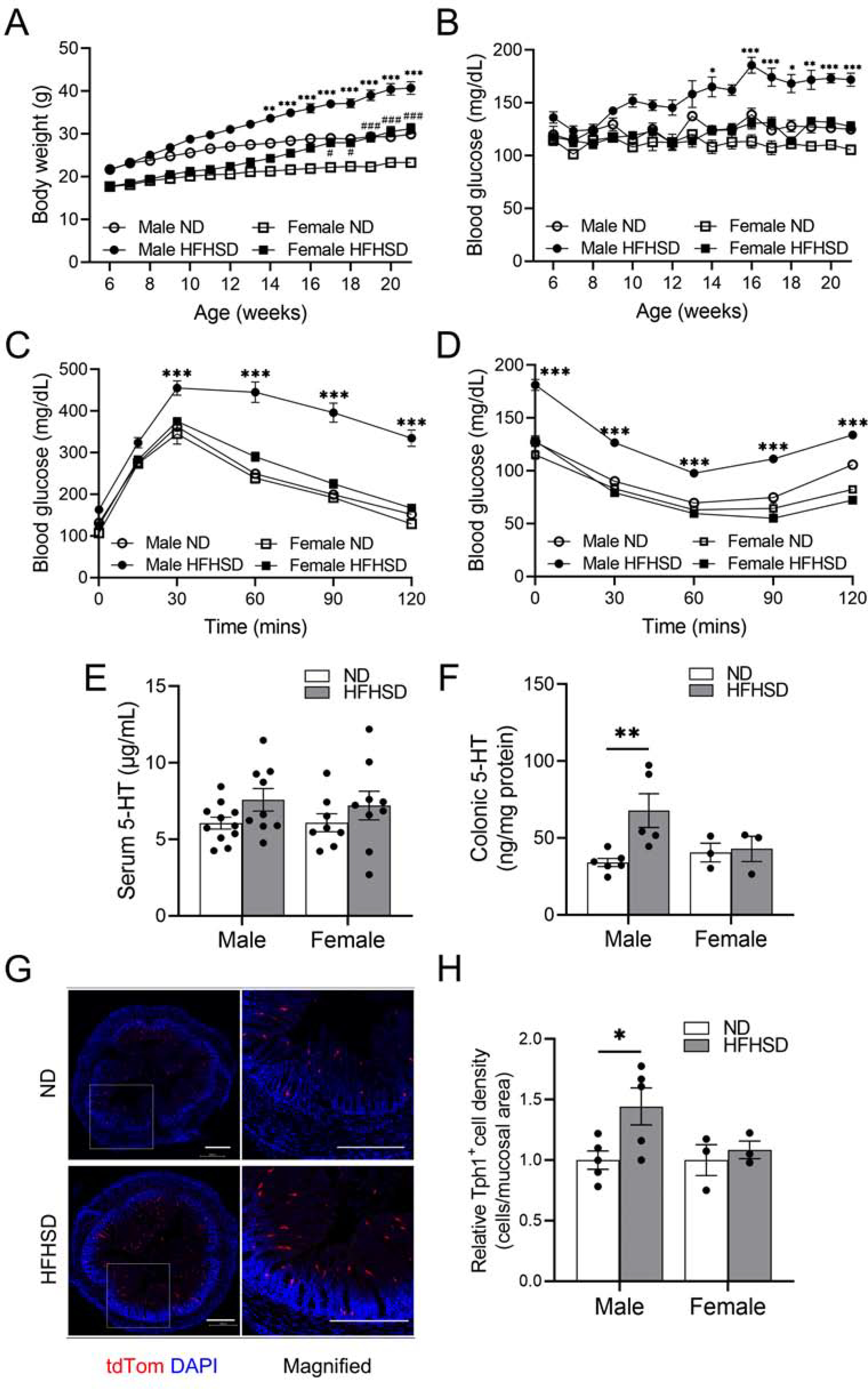
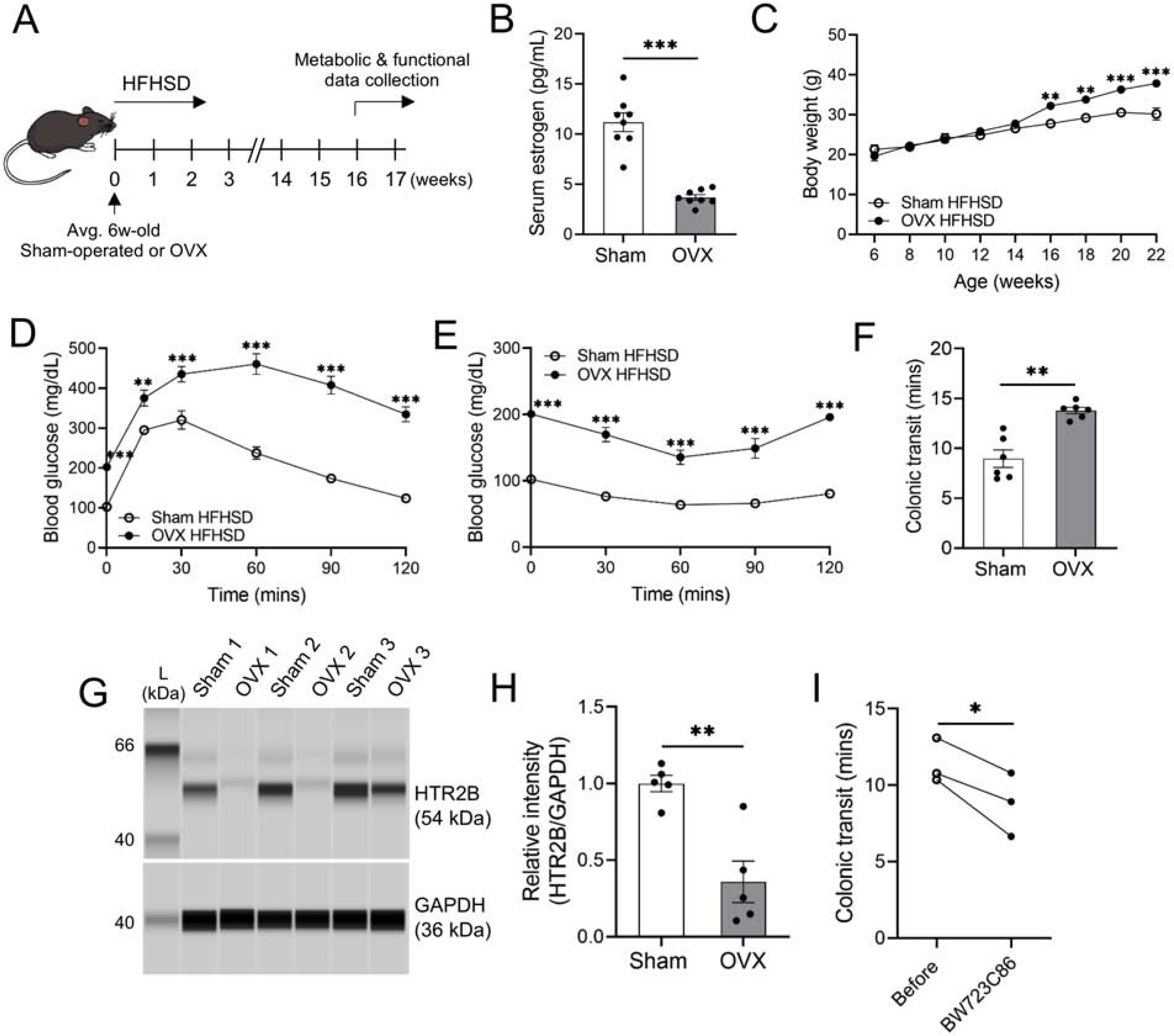
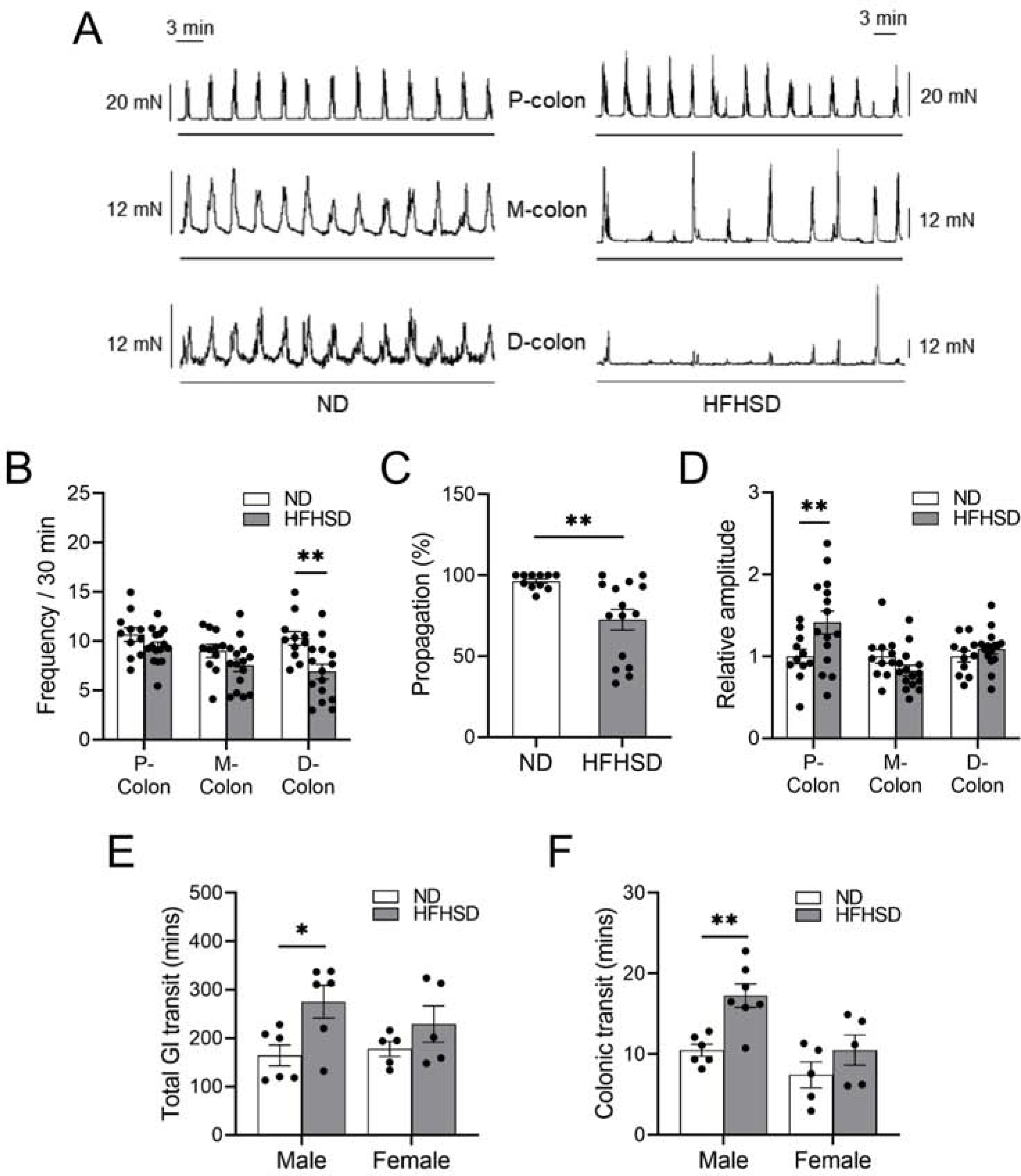
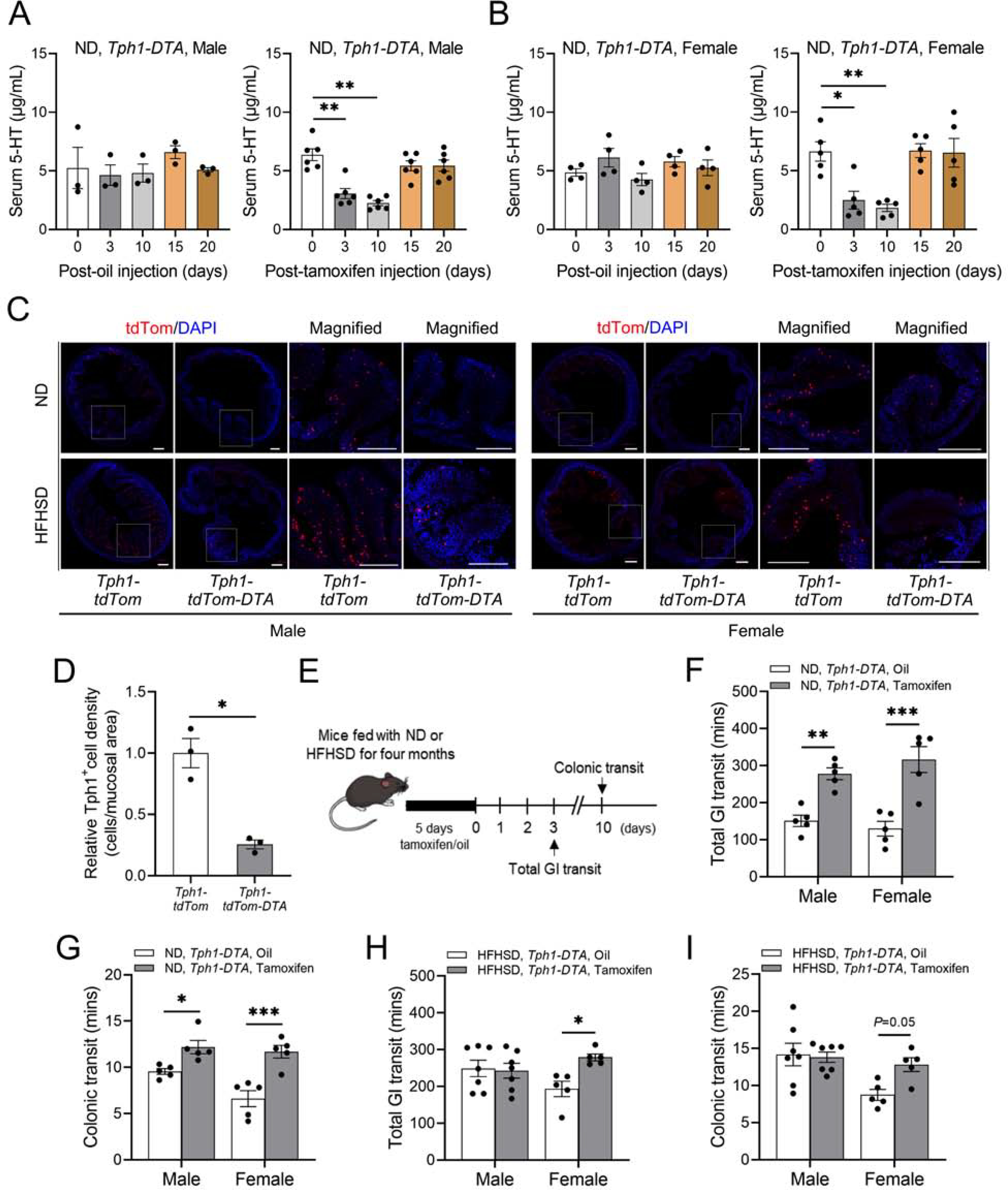
Colonic transit was delayed in males with diabetes, although colonic Tph1 cell density and 5-HT levels were increased. Colonic transit was not further reduced in diabetic mice by EC cell depletion. The HTR2B protein, predominantly expressed by colonic ICCs, was markedly decreased in the colonic muscles of males and ovariectomized females with diabetes. Ca activity in colonic ICCs was decreased in diabetic males. Treatment with an HTR2B antagonist impaired CMMCs and colonic motility in healthy males, whereas treatment with an HTR2B agonist improved CMMCs and colonic motility in males with diabetes. Colonic transit in ovariectomized females with diabetes was also improved significantly by the HTR2B agonist treatment.
Impaired colonic motility in mice with diabetes was improved by enhancing HTR2B signaling. The HTR2B agonist may provide therapeutic benefits for constipation associated with diabetes.
便秘通常与糖尿病有关。血清素(5-HT)主要由色氨酸羟化酶 1(TPH1)产生的肠嗜铬细胞(EC)产生,是胃肠道(GI)运动的关键调节剂。然而,5-羟色胺能信号在与糖尿病相关的便秘中的作用尚不清楚。
我们生成了 EC 细胞报告基因 Tph1-tdTom、EC 细胞耗竭 Tph1-DTA、组合 Tph1-tdTom-DTA 和间质细胞 Cajal(ICC)特异性 Kit-GCaMP6 小鼠。雄性小鼠和手术去卵巢的雌性小鼠喂食高脂肪高蔗糖饮食以诱导糖尿病。通过检查 5-HT 受体在结肠中的表达以及在体内 GI 转运、结肠移行性运动复合物(CMMC)和用 5-HT 受体(HTR2B)拮抗剂或激动剂处理的小鼠的钙成像来研究 5-羟色胺能信号对 GI 运动的影响。
糖尿病雄性小鼠的结肠转运延迟,尽管结肠 Tph1 细胞密度和 5-HT 水平增加。EC 细胞耗竭并未进一步降低糖尿病小鼠的结肠转运。HTR2B 蛋白主要由结肠 ICC 表达,在糖尿病雄性和去卵巢雌性的结肠肌肉中明显减少。糖尿病雄性结肠 ICC 中的 Ca 活性降低。HTR2B 拮抗剂治疗会损害健康雄性的 CMMC 和结肠运动,而 HTR2B 激动剂治疗可改善糖尿病雄性的 CMMC 和结肠运动。糖尿病去卵巢雌性的结肠转运也明显改善了 HTR2B 激动剂治疗。
增强 HTR2B 信号可改善糖尿病小鼠的结肠运动障碍。HTR2B 激动剂可能为糖尿病相关便秘提供治疗益处。