Helt Molly S, Sorensen Taylor M, Scheub Rachel J, Nakhle Mira B, Luddy Anna C
Departments of Psychology and Neuroscience, Trinity College, Hartford, CT, United States.
New England Center for Children, Southborough, MA, United States.
Front Psychol. 2021 Apr 9;12:645310. doi: 10.3389/fpsyg.2021.645310. eCollection 2021.
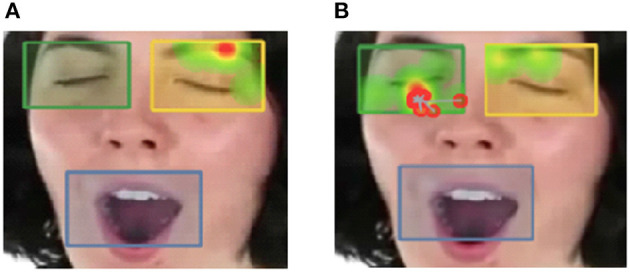
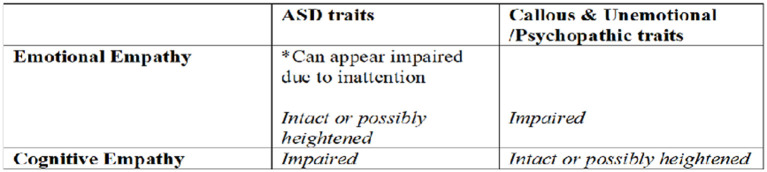
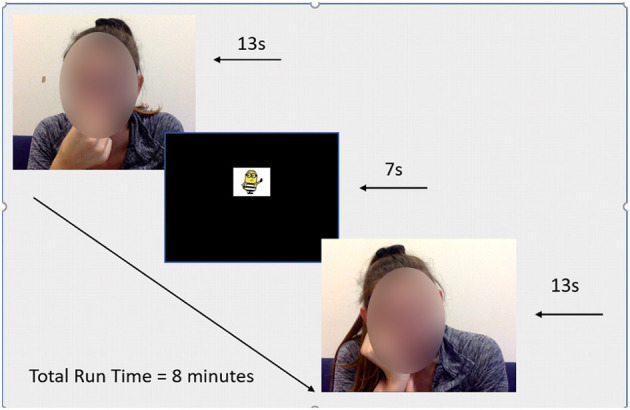
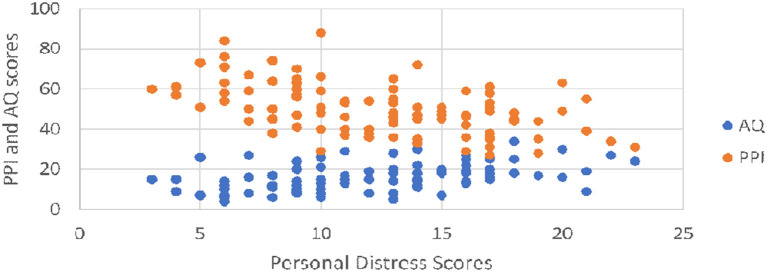
Both individuals with diagnosed with Autism Spectrum Disorder (ASD) and individuals high in psychopathic traits show reduced susceptibility to that is, yawning after seeing or hearing another person yawn. Yet it is unclear whether the same underlying processes (e.g., reduced eye gaze) are responsible for the relationship between reduced contagion and these very different types of clinical traits. College Students ( = 97) watched videos of individuals yawning or scratching (a form of contagion not reliant on eye gaze for transmission) while their eye movements were tracked. They completed the Interpersonal Reactivity Index (IRI), the Autism-Spectrum Quotient (AQ), the Psychopathy Personality Inventory-Revised (PPI-R), and the Adolescent and Adult Sensory Processing Disorder Checklist. Both psychopathic traits and autistic traits showed an inverse relationship to contagious yawning, consistent with previous research. However, the relationship between autistic (but not psychopathic) traits and contagious yawning was moderated by eye gaze. Furthermore, participants high in autistic traits showed typical levels of contagious itching whereas adults high in psychopathic traits showed diminished itch contagion. Finally, only psychopathic traits were associated with lower overall levels of empathy. The findings imply that the underlying processes contributing to the disruptions in contagious yawning amongst individuals high in autistic vs. psychopathic traits are distinct. In contrast to adults high in psychopathic traits, diminished contagion may appear amongst people with high levels of autistic traits secondary to diminished attention to the faces of others, and in the absence of a background deficit in emotional empathy.
被诊断患有自闭症谱系障碍(ASD)的个体以及具有高度精神病态特征的个体,对他人打哈欠(即看到或听到他人打哈欠后自己也打哈欠)的易感性都有所降低。然而,尚不清楚相同的潜在过程(例如减少眼神注视)是否导致了这种传染性降低与这些截然不同的临床特征之间的关系。97名大学生观看了他人打哈欠或抓挠(一种不依赖眼神注视传播的传染形式)的视频,同时他们的眼球运动被追踪。他们完成了人际反应指数(IRI)、自闭症谱系商数(AQ)、精神病态人格问卷修订版(PPI-R)以及青少年和成人感觉处理障碍检查表。精神病态特征和自闭症特征都与传染性打哈欠呈负相关,这与先前的研究一致。然而,自闭症(而非精神病态)特征与传染性打哈欠之间的关系受到眼神注视的调节。此外,自闭症特征高的参与者表现出典型水平的传染性瘙痒,而精神病态特征高的成年人表现出瘙痒传染性降低。最后,只有精神病态特征与较低的总体共情水平相关。研究结果表明,导致自闭症特征高的个体与精神病态特征高的个体在传染性打哈欠方面出现障碍的潜在过程是不同的。与精神病态特征高的成年人不同,自闭症特征高的人传染性降低可能是由于对他人面部的关注减少,且不存在情感共情方面的背景缺陷。