Stem Cell Institute at James Graham Brown Cancer Center, University of Louisville, Louisville, Kentucky, USA.
Department of Regenerative Medicine, Center for Preclinical Research and Technology, Medical University of Warsaw, Warsaw, Poland.
Curr Opin Hematol. 2021 Jul 1;28(4):251-261. doi: 10.1097/MOH.0000000000000658.
Hematopoiesis is co-regulated by innate immunity, which is an ancient evolutionary defense mechanism also involved in the development and regeneration of damaged tissues. This review seeks to shed more light on the workings of the Nlrp3 inflammasome, which is an intracellular innate immunity pattern recognition receptor and sensor of changes in the hematopoietic microenvironment, and focus on its role in hematopoieisis.
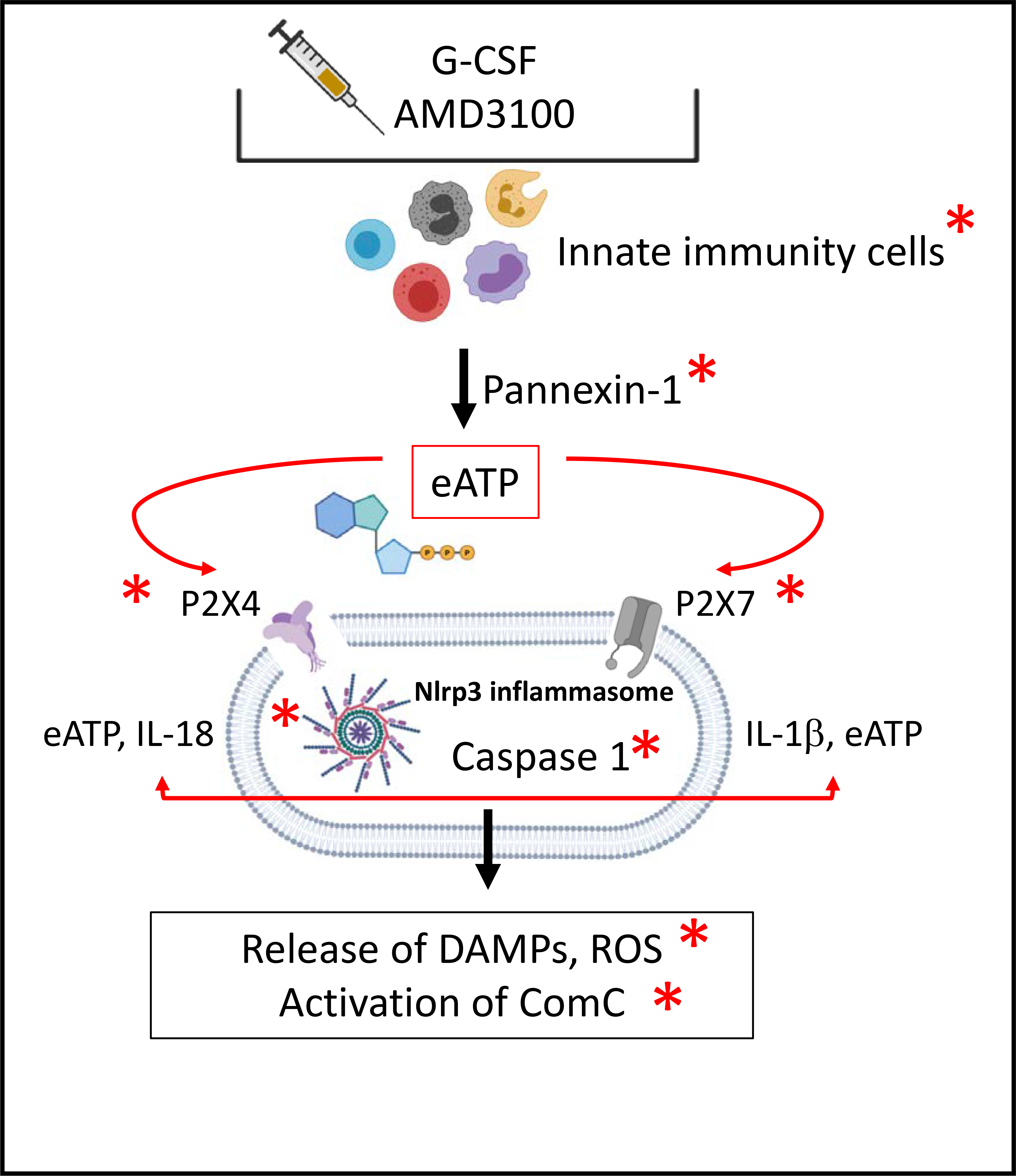
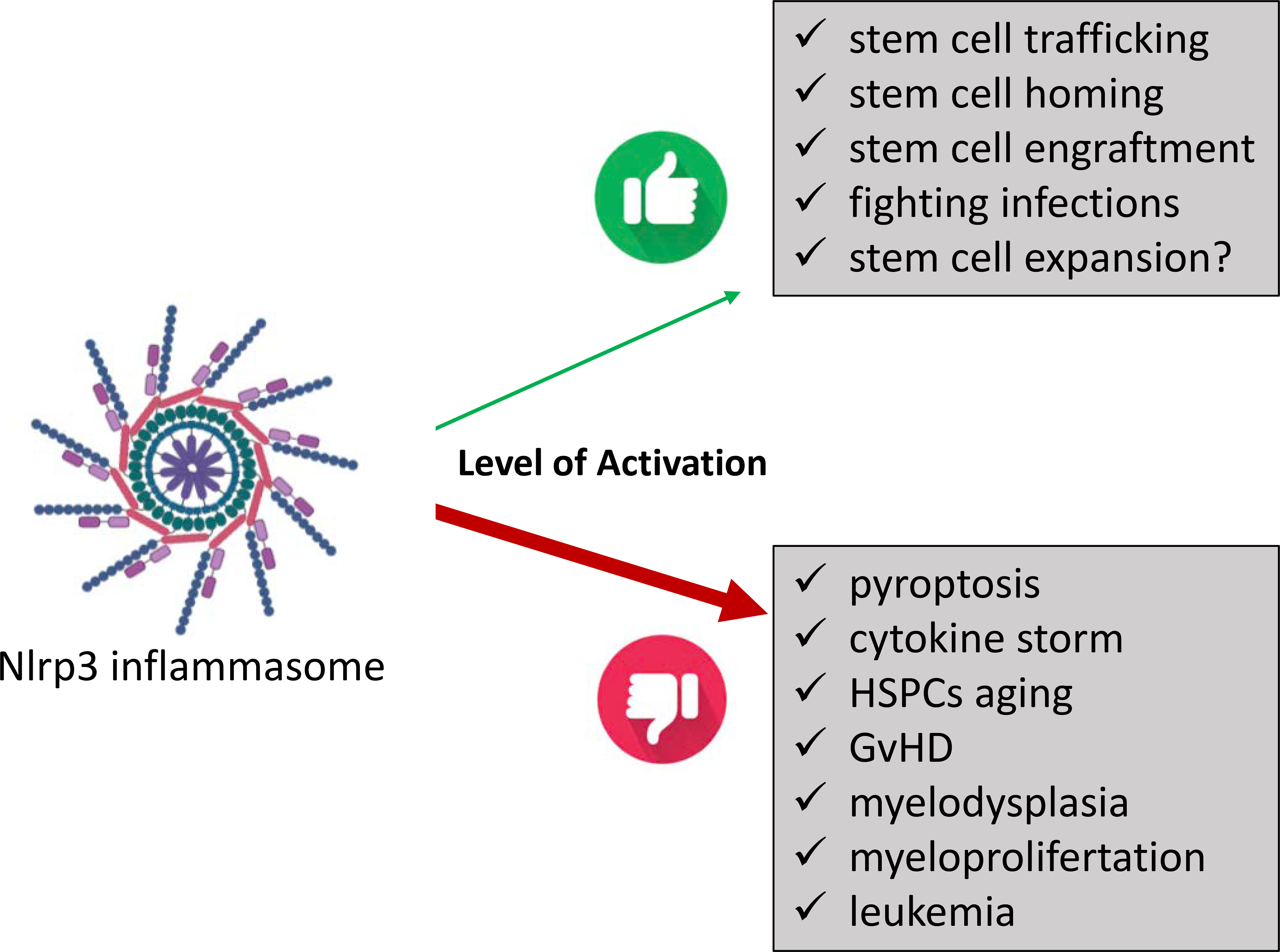
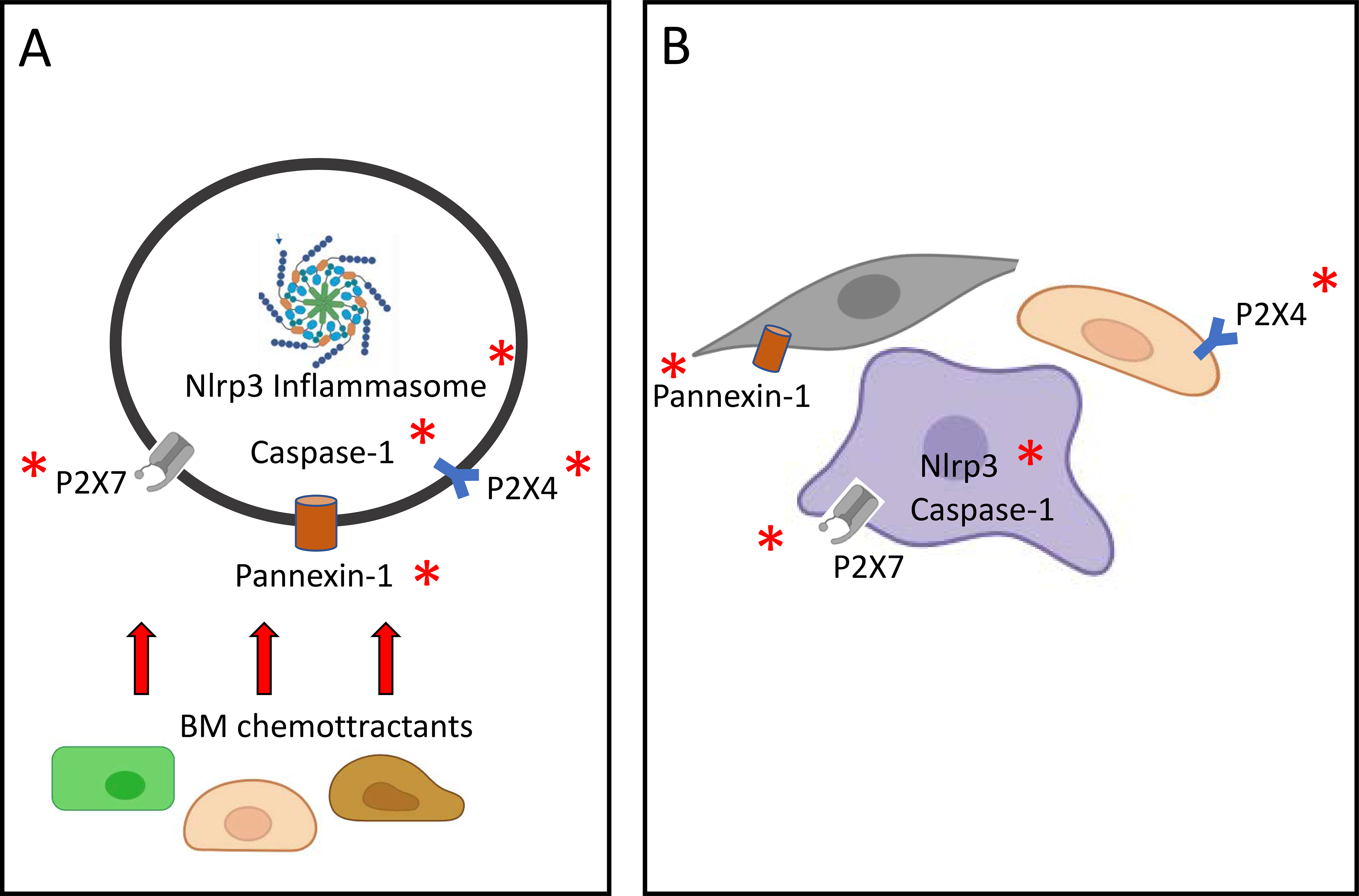
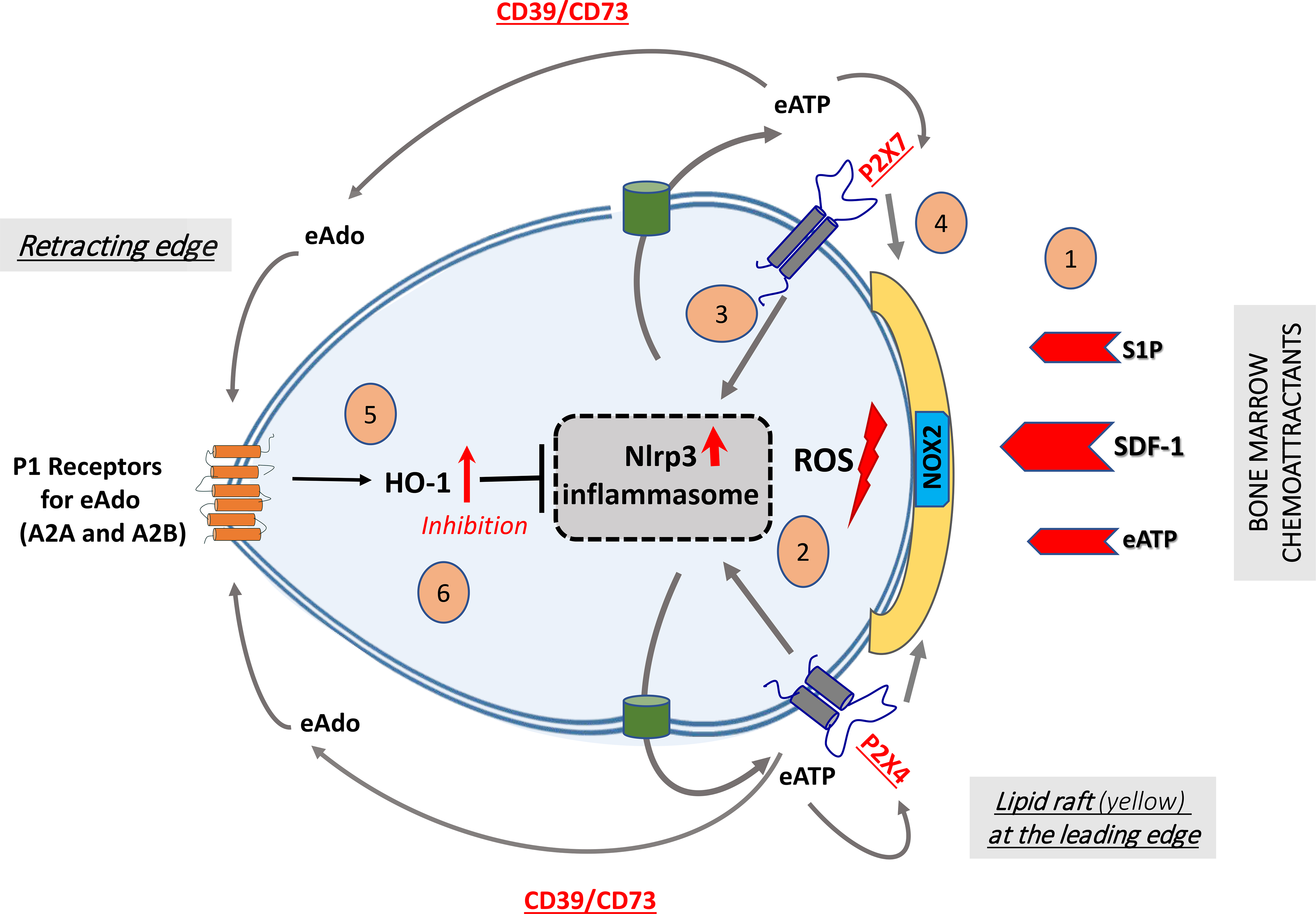
Hematopoietic stem progenitor cells (HSPCs) are exposed to several external mediators of innate immunity. Moreover, since hemato/lymphopoietic cells develop from a common stem cell, their behavior and fate are coregulated by intracellular innate immunity pathways. Therefore, the Nlrp3 inflammasome is functional both in immune cells and in HSPCs and affects hematopoiesis in either a positive or negative way, depending on its activity level. Specifically, while a physiological level of activation regulates the trafficking of HSPCs and most likely maintains their pool in the bone marrow, hyperactivation may lead to irreversible cell damage by pyroptosis and HSPC senescence and contribute to the origination of myelodysplasia and hematopoietic malignancies.
Modulation of the level of Nrp3 inflammasome activation will enable improvements in HSPC mobilization, homing, and engraftment strategies. It may also control pathological activation of this protein complex during HSPC senescence, graft-versus-host disease, the induction of cytokine storms, and the development of hematopoietic malignancies.
造血受到固有免疫的共同调控,固有免疫是一种古老的进化防御机制,也参与受损组织的发育和再生。这篇综述旨在更深入地了解 Nlrp3 炎性小体的作用机制,Nlrp3 炎性小体是一种细胞内固有免疫模式识别受体,能够感知造血微环境的变化,并专注于其在造血中的作用。
造血干细胞祖细胞 (HSPCs) 暴露于多种固有免疫的外部介质中。此外,由于造血/淋巴细胞来源于共同的干细胞,它们的行为和命运受到细胞内固有免疫途径的共同调控。因此,Nlrp3 炎性小体在免疫细胞和 HSPCs 中都具有功能,并且根据其活性水平以积极或消极的方式影响造血。具体而言,虽然生理水平的激活可调节 HSPC 的迁移,并且很可能维持其在骨髓中的池,但过度激活可能通过细胞焦亡和 HSPC 衰老导致不可逆的细胞损伤,并有助于骨髓增生异常和造血恶性肿瘤的发生。
调节 Nlrp3 炎性小体激活水平将能够改善 HSPC 的动员、归巢和植入策略。它还可能控制 HSPC 衰老、移植物抗宿主病、细胞因子风暴诱导和造血恶性肿瘤发展过程中该蛋白复合物的病理性激活。