Department of Physiology, Alcohol and Drug Abuse Center of Excellence, Louisiana State University Health Sciences Center, New Orleans, Louisiana.
Am J Physiol Cell Physiol. 2021 Jul 1;321(1):C104-C116. doi: 10.1152/ajpcell.00039.2021. Epub 2021 Apr 28.
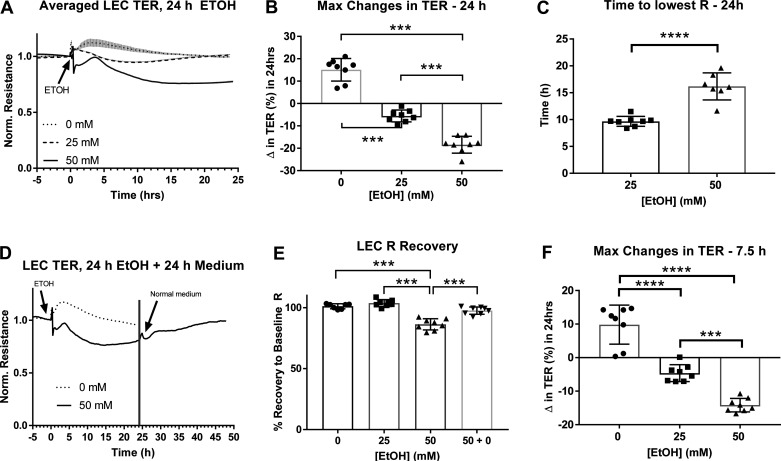
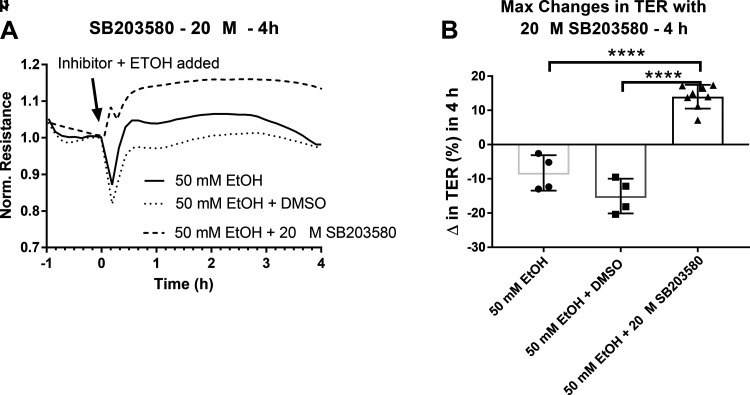
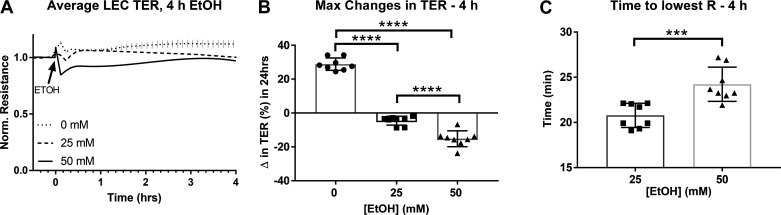
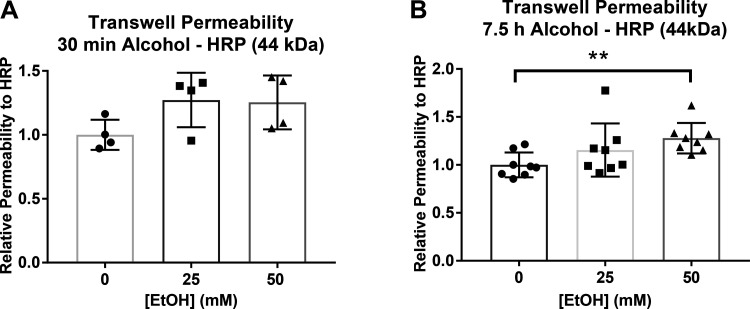
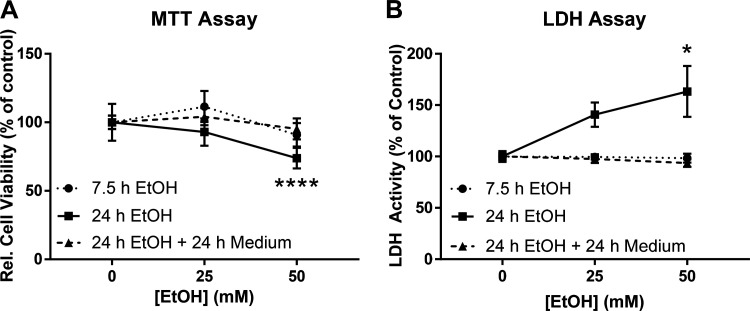
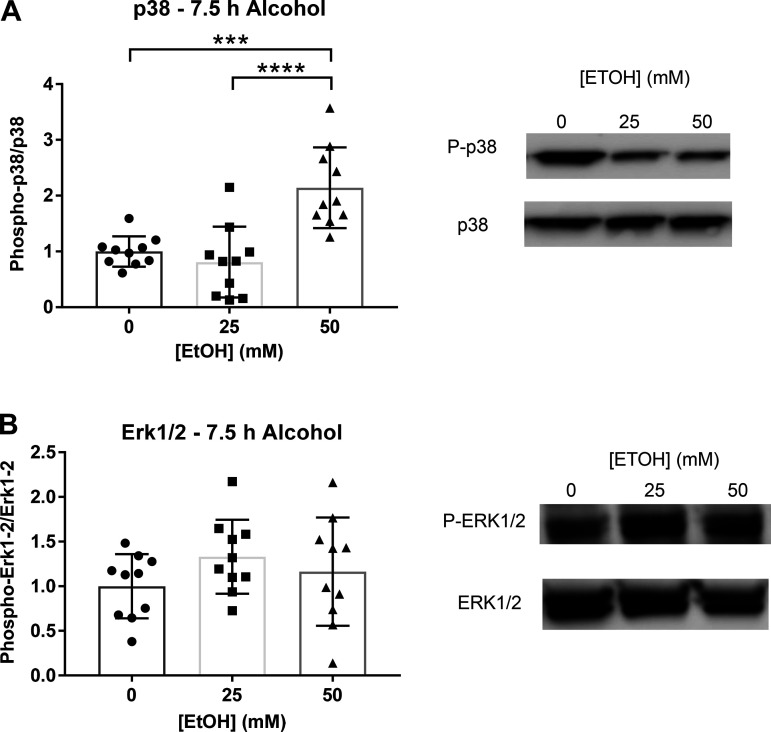
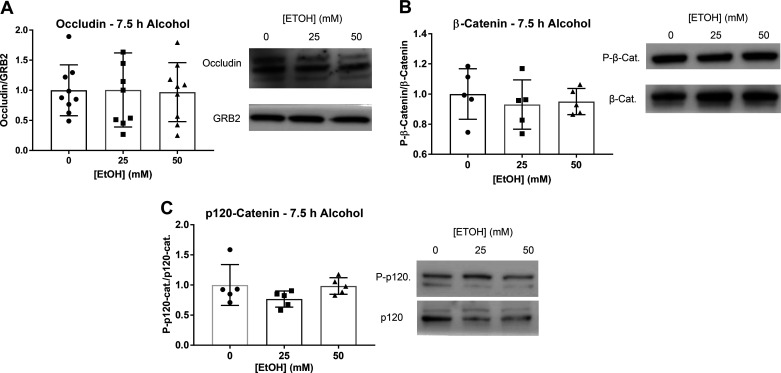
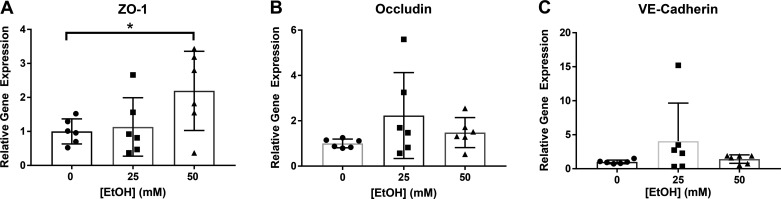
Chronic alcohol alters the immune system enhancing the susceptibility to inflammation, bacterial, and viral infections in alcohol users. We have shown that alcohol causes increased permeability of mesenteric lymphatic vessels in alcohol-fed rats. The mechanisms of alcohol-induced lymphatic leakage are unknown. Endothelial cell monolayer permeability is controlled by junctional proteins complexes called tight junctions (TJ) and adherens junctions (AJ), and each can be regulated by MAPK activation. We hypothesize that ethanol induces lymphatic endothelial cell (LEC) permeability via disruption of LEC TJ through MAPK activation. An in vitro model of rat LECs was used. Ethanol-supplemented medium was added at concentrations of 0, 25, and 50 mM to confluent cells. Resistance-based barrier function, transwell permeability, cell viability, TJ, AJ, and MAPK protein activity, TJ and AJ gene expressions, and the role of p38 MAPK in barrier function regulation were measured. Ethanol increased the permeability of LECs compared to controls that was not associated with decreased cell viability. LECs treated with 50 mM ethanol showed an increase in phosphorylated levels of p38. No significant changes in TJ and AJ gene or protein expressions were observed after ethanol treatment. p38 inhibition prevented ethanol-induced increases in permeability. These findings suggest that p38 may play a role in the regulation of ethanol-induced LEC permeability, but altered permeability may not be associated with decreased TJ or AJ protein expression. Further investigation into junctional protein localization is needed to better understand the effects of ethanol on lymphatic endothelial cell-to-cell contacts and hyperpermeability.
慢性酒精摄入会改变免疫系统,使酒精使用者更容易受到炎症、细菌和病毒感染。我们已经表明,酒精会导致酒精喂养大鼠肠系膜淋巴管通透性增加。酒精引起的淋巴渗漏的机制尚不清楚。内皮细胞单层的通透性由称为紧密连接 (TJ) 和黏附连接 (AJ) 的连接蛋白复合物控制,并且 MAPK 激活可以分别调节它们。我们假设乙醇通过激活 MAPK 破坏 LEC 的 TJ 来诱导淋巴内皮细胞 (LEC) 的通透性。使用了大鼠 LEC 的体外模型。将补充有乙醇的培养基以 0、25 和 50 mM 的浓度添加到汇合细胞中。基于电阻的屏障功能、Transwell 通透性、细胞活力、TJ、AJ 和 MAPK 蛋白活性、TJ 和 AJ 基因表达以及 p38 MAPK 在屏障功能调节中的作用进行了测量。与对照相比,乙醇增加了 LEC 的通透性,而细胞活力没有降低。用 50 mM 乙醇处理的 LEC 显示 p38 的磷酸化水平增加。乙醇处理后,TJ 和 AJ 基因或蛋白表达没有明显变化。p38 抑制可防止乙醇诱导的通透性增加。这些发现表明 p38 可能在调节乙醇诱导的 LEC 通透性中发挥作用,但通透性的改变可能与 TJ 或 AJ 蛋白表达减少无关。需要进一步研究连接蛋白的定位,以更好地了解乙醇对淋巴内皮细胞-细胞接触和高通透性的影响。