Musumeci Beatrice, Tini Giacomo, Russo Domitilla, Sclafani Matteo, Cava Francesco, Tropea Alessandro, Adduci Carmen, Palano Francesca, Francia Pietro, Autore Camillo
Cardiology, Department of Clinical and Molecular Medicine, Faculty of Medicine and Psychology, Sapienza University of Rome, 00189 Rome, Italy.
J Clin Med. 2021 Apr 7;10(8):1547. doi: 10.3390/jcm10081547.
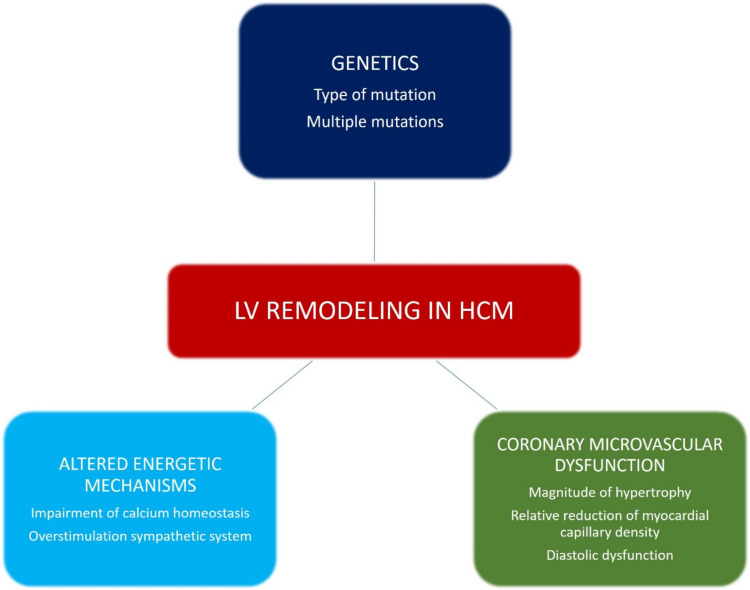
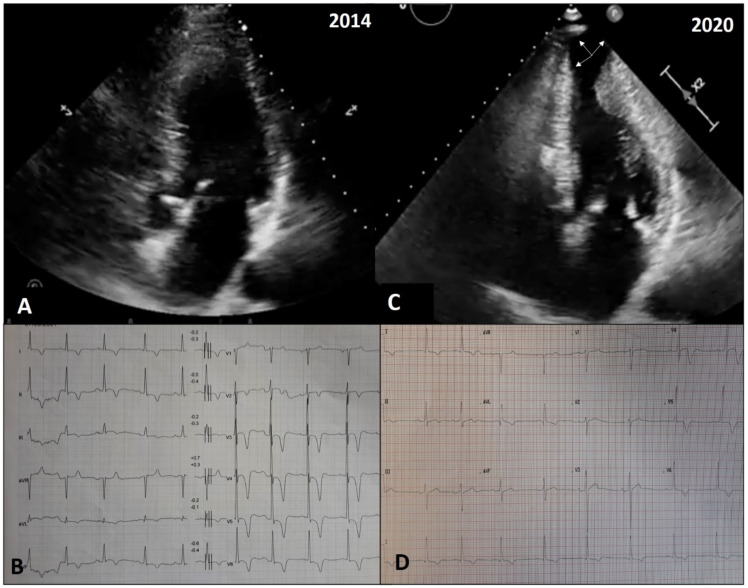
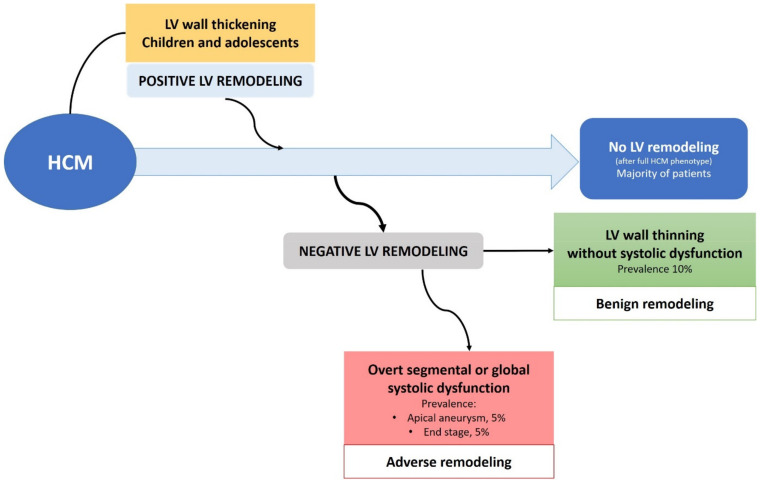
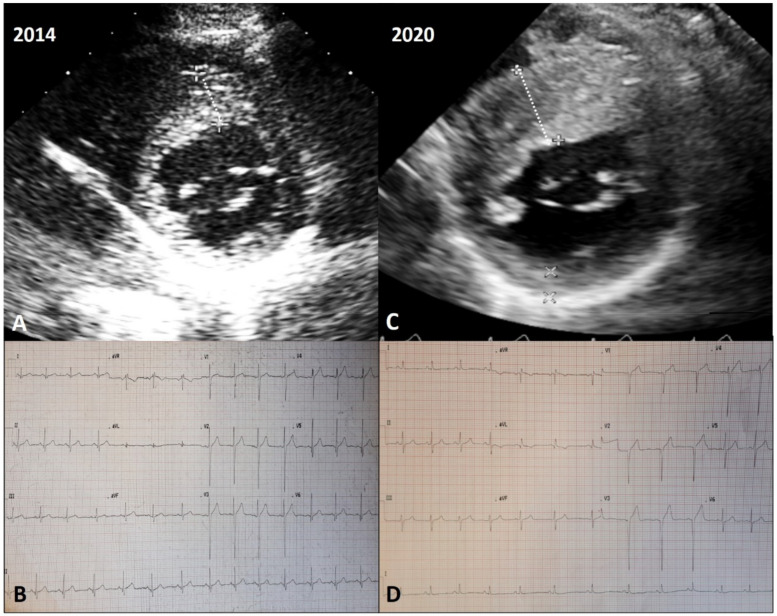
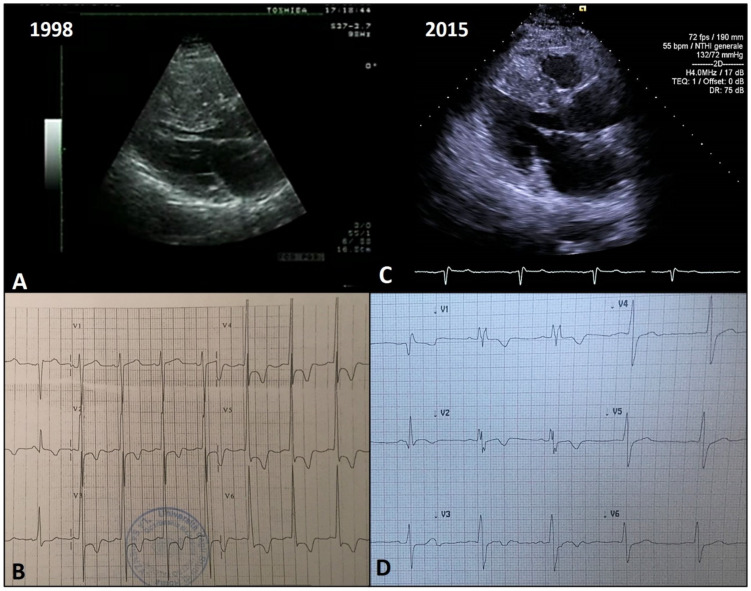
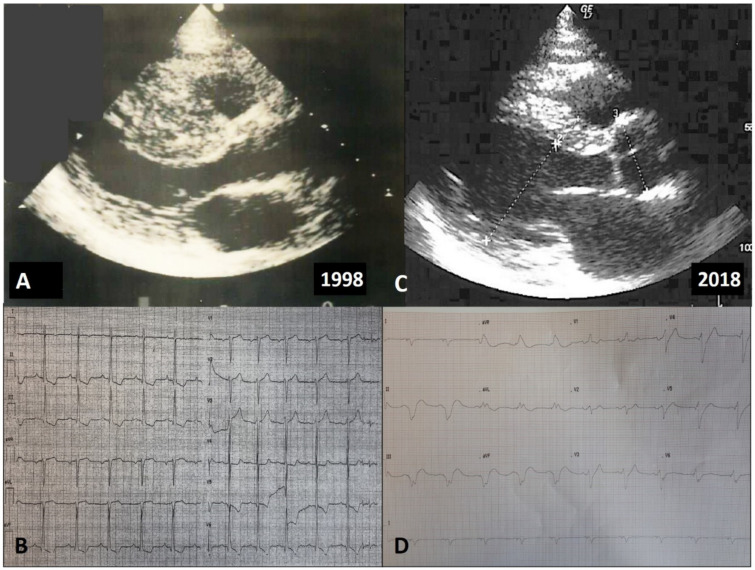
While most patients with hypertrophic cardiomyopathy (HCM) show a relatively stable morphologic and clinical phenotype, in some others, progressive changes in the left ventricular (LV) wall thickness, cavity size, and function, defined, overall, as "LV remodeling", may occur. The interplay of multiple pathophysiologic mechanisms, from genetic background to myocardial ischemia and fibrosis, is implicated in this process. Different patterns of LV remodeling have been recognized and are associated with a specific impact on the clinical course and management of the disease. These findings underline the need for and the importance of serial multimodal clinical and instrumental evaluations to identify and further characterize the LV remodeling phenomenon. A more complete definition of the stages of the disease may present a chance to improve the management of HCM patients.
虽然大多数肥厚型心肌病(HCM)患者表现出相对稳定的形态学和临床表型,但在其他一些患者中,左心室(LV)壁厚度、腔大小和功能的渐进性变化(总体上定义为“LV重塑”)可能会发生。从遗传背景到心肌缺血和纤维化的多种病理生理机制的相互作用与这一过程有关。已认识到不同的LV重塑模式,并且它们对疾病的临床病程和管理有特定影响。这些发现强调了进行系列多模式临床和仪器评估以识别和进一步表征LV重塑现象的必要性和重要性。对疾病阶段更完整的定义可能为改善HCM患者的管理提供机会。