Wala Marta, Simka Wojciech
Faculty of Chemistry, Silesian University of Technology, B. Krzywoustego Str. 6, 44-100 Gliwice, Poland.
Molecules. 2021 Apr 9;26(8):2144. doi: 10.3390/molecules26082144.
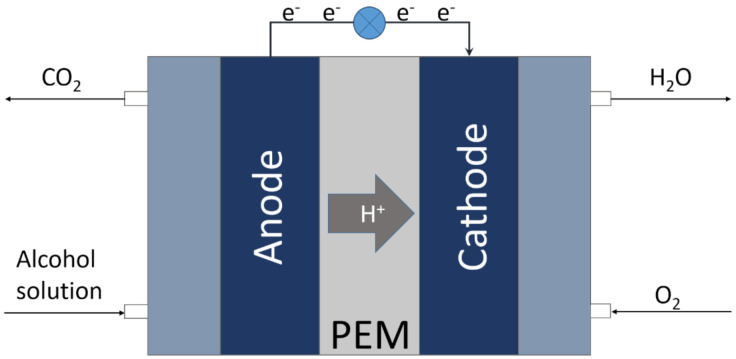
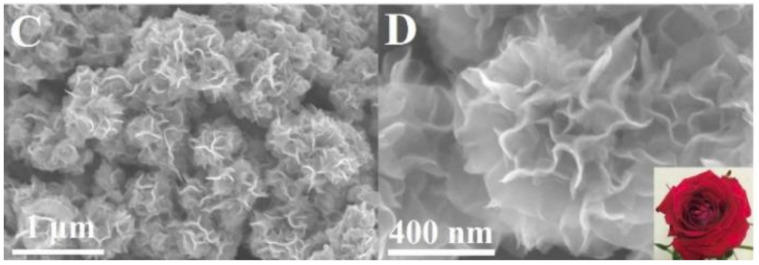
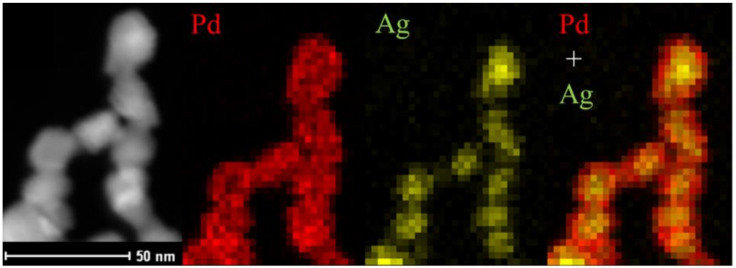
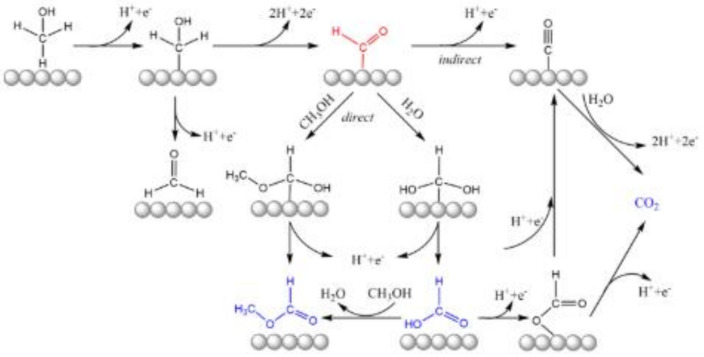
The growing climate crisis inspires one of the greatest challenges of the 21st century-developing novel power sources. One of the concepts that offer clean, non-fossil electricity production is fuel cells, especially when the role of fuel is played by simple organic molecules, such as low molecular weight alcohols. The greatest drawback of this technology is the lack of electrocatalytic materials that would enhance reaction kinetics and good stability under process conditions. Currently, electrodes for direct alcohol fuel cells (DAFCs) are mainly based on platinum, which not only provides a poor reaction rate but also readily deactivates because of poisoning by reaction products. Because of these disadvantages, many researchers have focused on developing novel electrode materials with electrocatalytic properties towards the oxidation of simple alcohols, such as methanol, ethanol, ethylene glycol or propanol. This paper presents the development of electrode materials and addresses future challenges that still need to be overcome before direct alcohol fuel cells can be commercialized.
日益严重的气候危机引发了21世纪最大的挑战之一——开发新型能源。燃料电池是一种能够提供清洁、非化石电力生产的概念,特别是当燃料由简单有机分子(如低分子量醇类)扮演时。这项技术最大的缺点是缺乏能够增强反应动力学并在工艺条件下具有良好稳定性的电催化材料。目前,直接醇类燃料电池(DAFC)的电极主要基于铂,这不仅提供了较差的反应速率,而且由于被反应产物中毒而容易失活。由于这些缺点,许多研究人员专注于开发对简单醇类(如甲醇、乙醇、乙二醇或丙醇)氧化具有电催化性能的新型电极材料。本文介绍了电极材料的发展,并探讨了在直接醇类燃料电池商业化之前仍需克服的未来挑战。