Department of Environmental and Infectious Disease Sciences, Division of Biophysical Toxicology, Armed Forces Institute of Pathology, Washington, DC 20306, USA.
Department of Plastic Surgery, VU University Medical Centre, P.O. Box 7057, 1007 MB Amsterdam, The Netherlands.
Int J Environ Res Public Health. 2021 Apr 24;18(9):4526. doi: 10.3390/ijerph18094526.
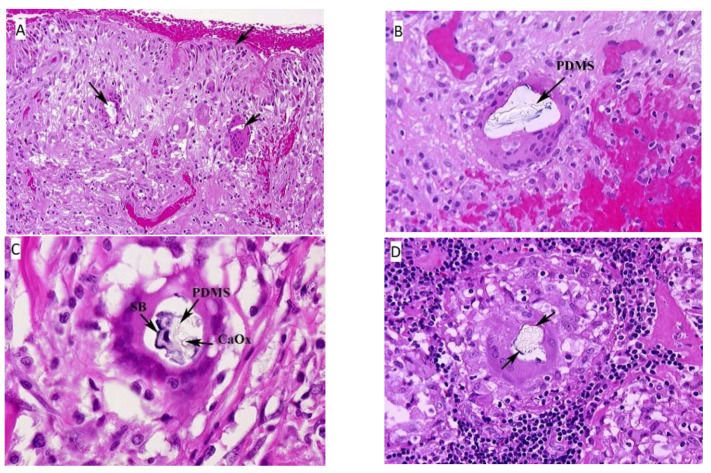
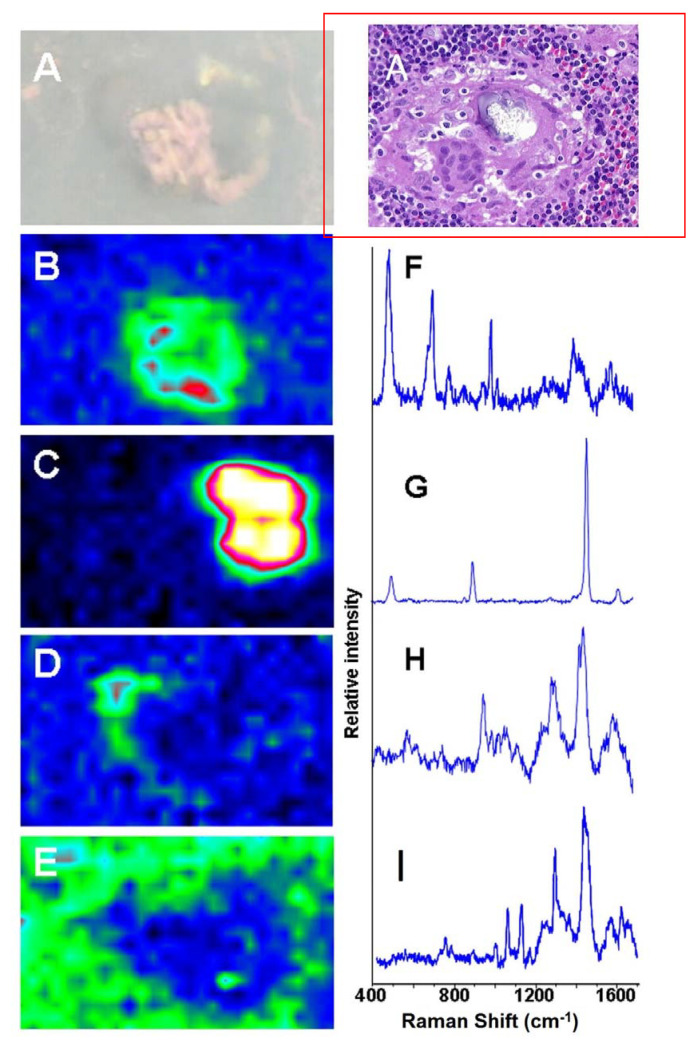
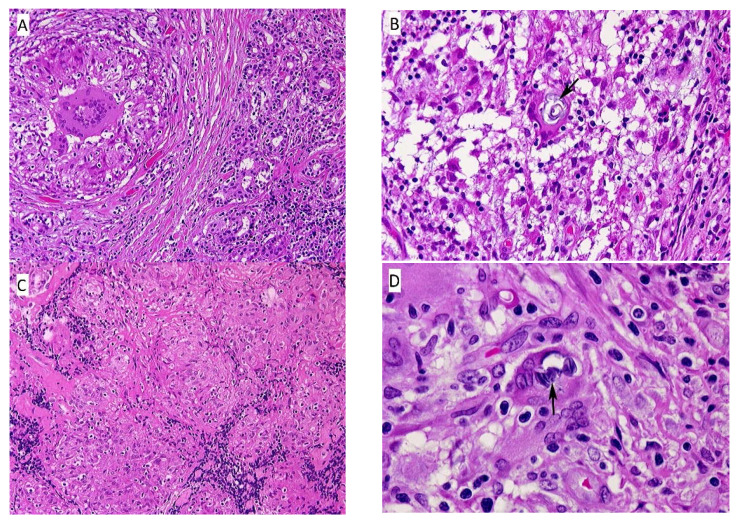
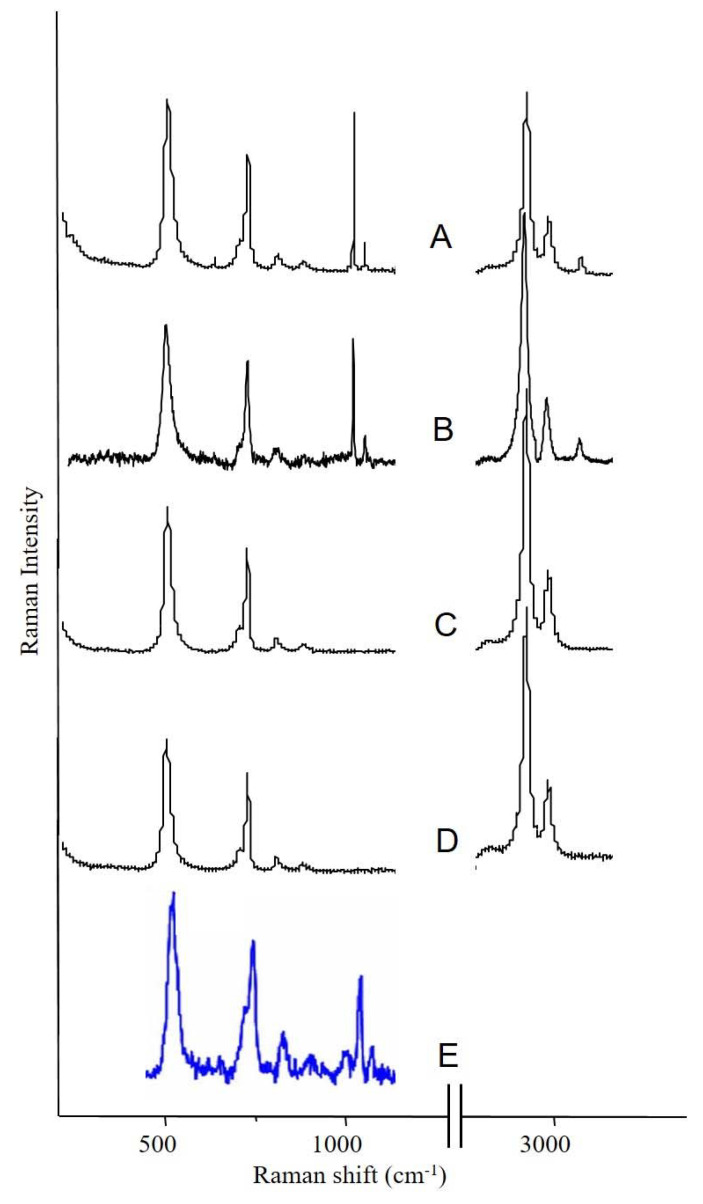
Foreign body giant cell (FBGC) reaction to silicone material in the lymph nodes of patients with silicone breast implants has been documented in the literature, with a number of case reports dating back to 1978. Many of these case reports describe histologic features of silicone lymphadenopathy in regional lymph nodes from patients with multiple sets of different types of implants, including single lumen smooth surface gel, single lumen textured surface gel, single lumen with polyethylene terephthalate patch, single lumen with polyurethane coating, and double lumen smooth surface. Only one other case report described a patient with highly-cohesive breast implants and silicone granulomas of the skin. In this article, we describe a patient with a clinical presentation of systemic sarcoidosis following highly cohesive breast implant placement. Histopathologic analysis and Confocal Laser Raman Microprobe (CLRM) examination were used to confirm the presence of silicone in the axillary lymph node and capsular tissues. This is the first report where chemical spectroscopic mapping has been used to establish and identify the coexistence of Schaumann bodies, consisting of calcium oxalate and calcium phosphate minerals, together with silicone implant material.
已在文献中记录了硅酮乳房植入物患者淋巴结中的异物巨细胞(FBGC)对硅酮材料的反应,早在 1978 年就有许多病例报告。这些病例报告中的许多都描述了来自多组不同类型植入物的患者的区域淋巴结中硅酮淋巴结病的组织学特征,包括单腔光滑表面凝胶、单腔纹理表面凝胶、带聚对苯二甲酸乙二醇酯补片的单腔、带聚氨酯涂层的单腔和双腔光滑表面。只有另一份病例报告描述了一位具有高粘性乳房植入物和皮肤硅酮肉芽肿的患者。在本文中,我们描述了一位具有高粘性乳房植入物后全身类肉瘤病临床表现的患者。组织病理学分析和共焦激光拉曼微探针(CLRM)检查用于确认腋窝淋巴结和包膜组织中存在硅酮。这是首次使用化学光谱映射来建立和识别肖曼体(由草酸钙和磷酸钙矿物质组成)与硅酮植入物材料共存的报告。