Christensen Søren Brøgger
The Museum of Natural Medicine & The Pharmacognostic Collection, University of Copenhagen, DK-2100 Copenhagen, Denmark.
Biomedicines. 2021 Apr 26;9(5):472. doi: 10.3390/biomedicines9050472.
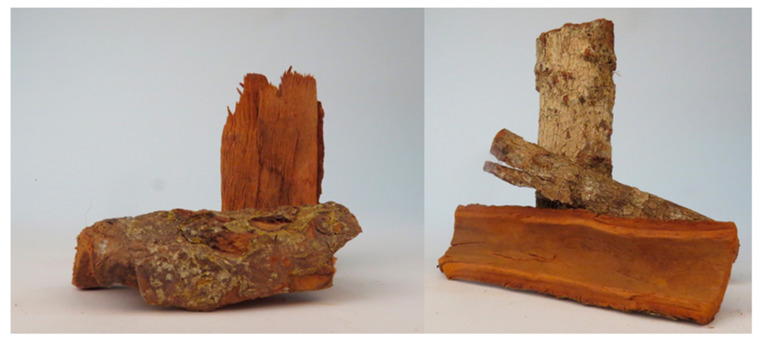
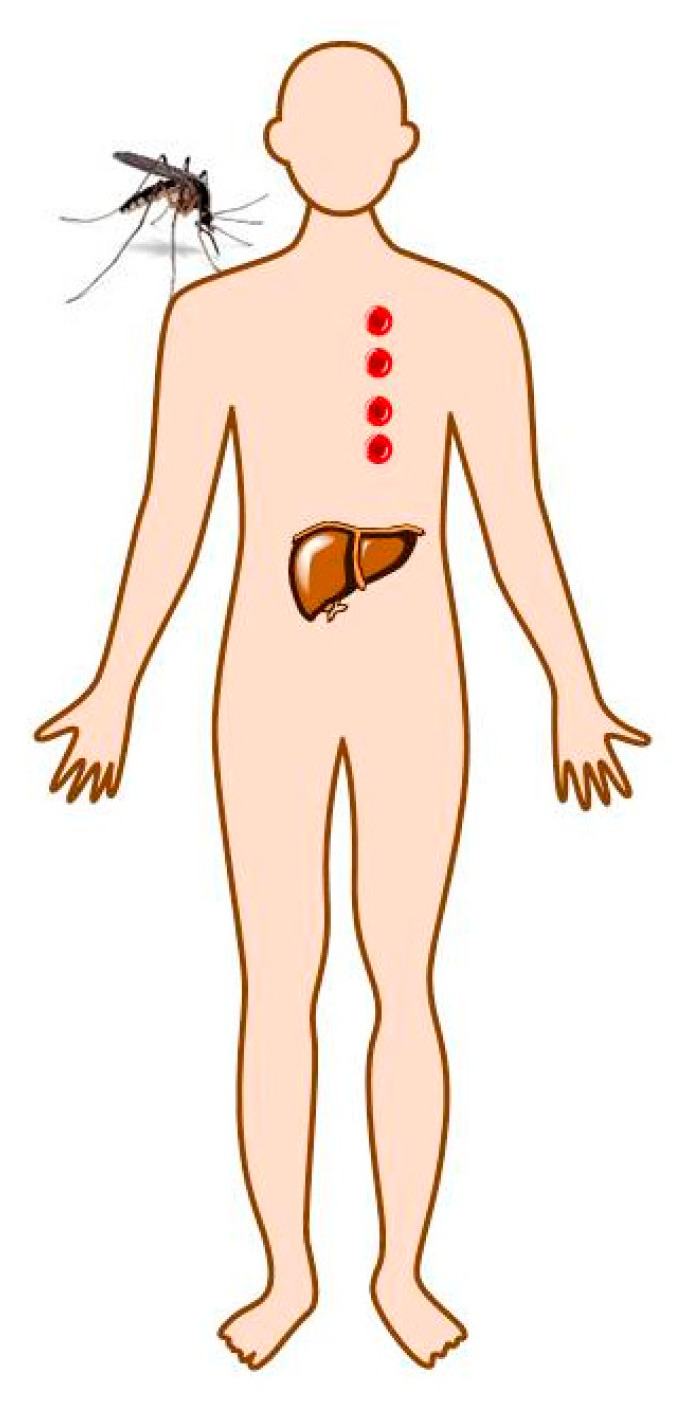
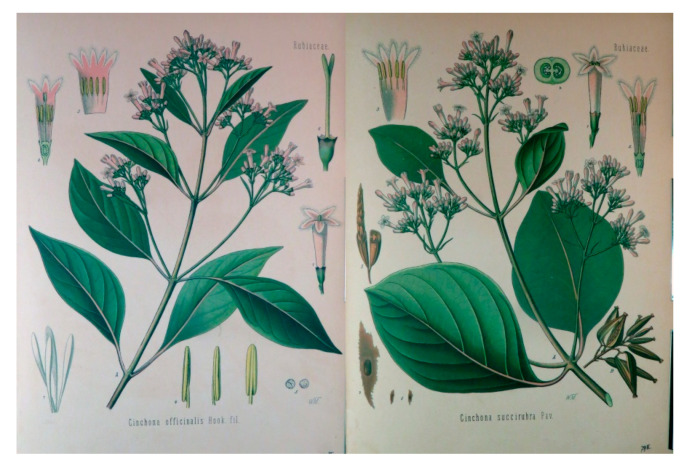
Until the end of the 19th century all drugs were natural products or minerals. During the 19th century chemists succeeded in isolating pure natural products such as quinine, morphine, codeine and other compounds with beneficial effects. Pure compounds enabled accurate dosing to achieve serum levels within the pharmacological window and reproducible clinical effects. During the 20th and the 21st century synthetic compounds became the major source of drugs. In spite of the impressive results achieved within the art of synthetic chemistry, natural products or modified natural products still constitute almost half of drugs used for treatment of cancer and diseases like malaria, onchocerciasis and lymphatic filariasis caused by parasites. A turning point in the fight against the devastating burden of malaria was obtained in the 17th century by the discovery that bark from trees belonging to the genus could be used for treatment with varying success. However isolation and use of the active principle, quinine, in 1820, afforded a breakthrough in the treatment. In the 20th century the synthetic drug chloroquine severely reduced the burden of malaria. However, resistance made this drug obsolete. Subsequently artemisinin isolated from traditional Chinese medicine turned out to be an efficient antimalarial drug overcoming the problem of chloroquine resistance for a while. The use of synthetic analogues such as chloroquine or semisynthetic drugs such as artemether or artesunate further improved the possibilities for healing malaria. Onchocerciasis (river blindness) made life in large parts of Africa and South America miserable. The discovery of the healing effects of the macrocyclic lactone ivermectin enabled control and partly elimination of the disease by annual mass distribution of the drug. Also in the case of ivermectin improved semisynthetic derivatives have found their way into the clinic. Ivermectin also is an efficient drug for treatment of lymphatic filariasis. The serendipitous discovery of the ability of the spindle toxins to control the growth of fast proliferating cancer cells armed physicians with a new efficient tool for treatment of some cancer diseases. These possibilities have been elaborated through preparation of semisynthetic analogues. Today vincristine and vinblastine and semisynthetic analogues are powerful weapons against cancer diseases.
直到19世纪末,所有药物都是天然产物或矿物质。在19世纪,化学家成功分离出了纯天然产物,如奎宁、吗啡、可待因以及其他具有有益作用的化合物。纯化合物能够实现精确给药,以达到药理学窗口内的血清水平并产生可重复的临床效果。在20世纪和21世纪,合成化合物成为药物的主要来源。尽管合成化学领域取得了令人瞩目的成果,但天然产物或修饰的天然产物仍然构成了用于治疗癌症以及由寄生虫引起的疟疾、盘尾丝虫病和淋巴丝虫病等疾病的药物的近一半。17世纪,发现属于该属的树木的树皮可用于治疗疟疾,且效果各异,这成为抗击疟疾毁灭性负担的一个转折点。然而,1820年活性成分奎宁的分离和使用为治疗带来了突破。20世纪,合成药物氯喹大幅减轻了疟疾负担。然而,耐药性使这种药物过时。随后,从传统中药中分离出的青蒿素被证明是一种有效的抗疟药物,一度克服了氯喹耐药性问题。使用氯喹等合成类似物或蒿甲醚、青蒿琥酯等半合成药物进一步改善了治愈疟疾的可能性。盘尾丝虫病(河盲症)使非洲和南美洲大部分地区的人们生活悲惨。大环内酯类伊维菌素治疗效果的发现,使得通过每年大规模分发该药物来控制并部分消除这种疾病成为可能。同样,在伊维菌素的情况下,改良的半合成衍生物也已进入临床应用。伊维菌素也是治疗淋巴丝虫病的有效药物。纺锤体毒素控制快速增殖癌细胞生长能力的意外发现,为医生提供了一种治疗某些癌症疾病的新有效工具。通过制备半合成类似物,这些可能性得到了进一步拓展。如今,长春新碱、长春碱及其半合成类似物是对抗癌症疾病的有力武器。