Department of Medicine, University of Alabama at Birmingham, Birmingham, AL, USA.
Genes Immun. 2021 Jun;22(2):65-74. doi: 10.1038/s41435-021-00130-y. Epub 2021 May 1.
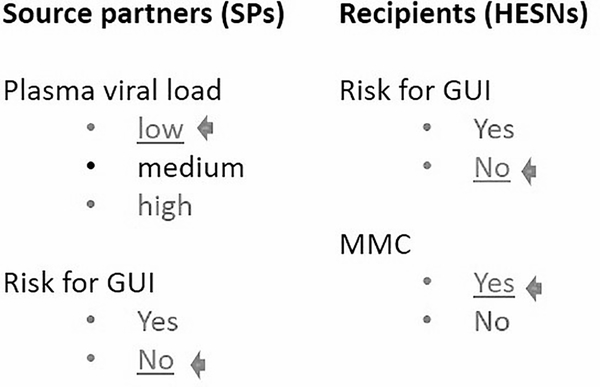
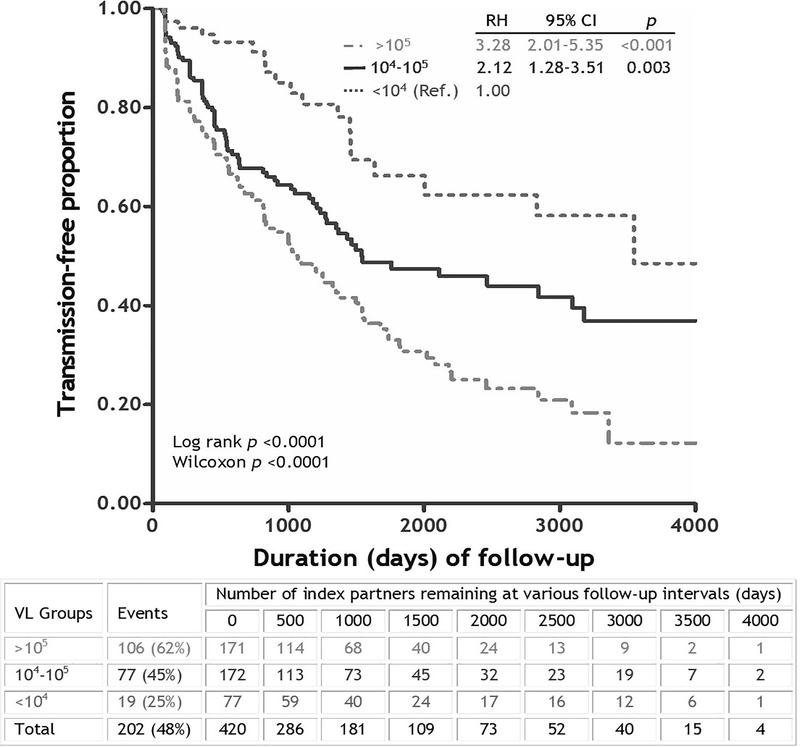
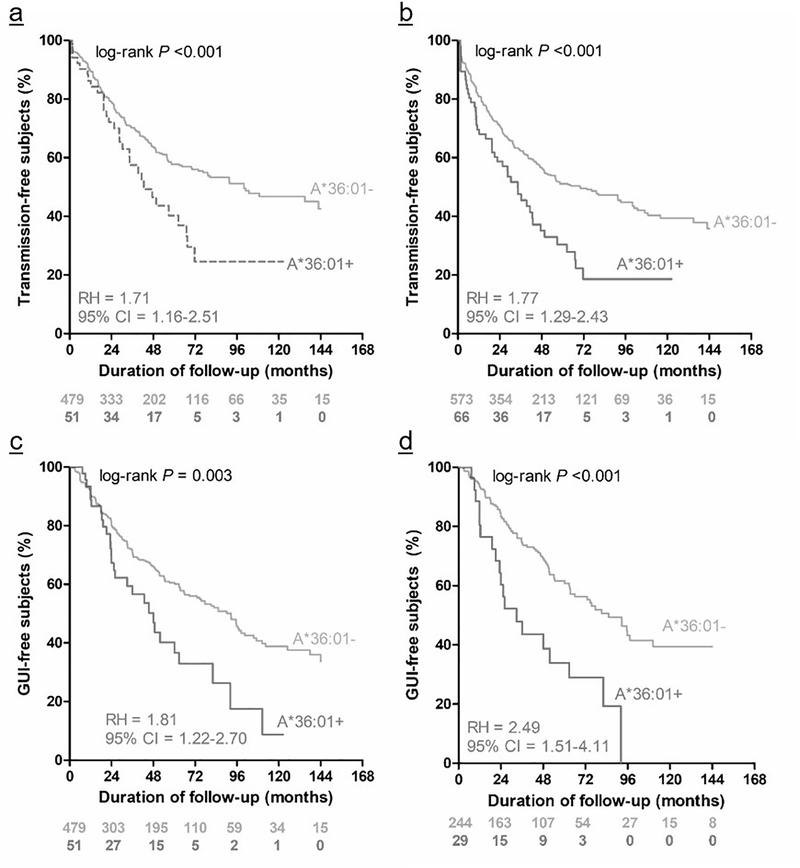
Immunogenetic studies in the past three decades have uncovered a broad range of human genetic factors that seem to influence heterosexual HIV-1 transmission in one way or another. In our own work that jointly evaluated both genetic and nongenetic factors in two African cohorts of cohabiting, HIV-1-discordant couples (donor and recipient pairs) at risk of transmission during quarterly follow-up intervals, relatively consistent findings have been seen with three loci (IL19, HLA-A, and HLA-B), although the effect size (i.e., odds ratio or hazards ratio) of each specific variant was quite modest. These studies offered two critical lessons that should benefit future research on sexually transmitted infections. First, in donor partners, immunogenetic factors (e.g., HLA-B57 and HLA-A36:01) that operate directly through HIV-1 viral load or indirectly through genital coinfections are equally important. Second, thousands of single-nucleotide polymorphisms previously recognized as "causal" factors for human autoimmune disorders did not appear to make much difference, which is somewhat puzzling as these variants are predicted or known to influence the expression of many immune response genes. Replicating these observations in additional cohorts is no longer feasible as the field has shifted its focus to early diagnosis, universal treatment, and active management of comorbidities.
在过去的三十年中,免疫遗传学研究揭示了广泛的人类遗传因素,这些因素似乎以某种方式影响异性恋 HIV-1 的传播。在我们的共同研究中,评估了两个非洲同居、HIV-1 不一致的夫妇队列(供体和受体对)的遗传和非遗传因素,这些夫妇在季度随访期间有传播风险,在三个基因座(IL19、HLA-A 和 HLA-B)中观察到了相对一致的发现,尽管每个特定变体的效应大小(即比值比或风险比)相当小。这些研究提供了两个关键的经验教训,应该有助于未来对性传播感染的研究。首先,在供体伴侣中,通过 HIV-1 病毒载量直接作用或通过生殖器合并感染间接作用的免疫遗传因素(例如 HLA-B57 和 HLA-A36:01)同样重要。其次,数千个先前被认为是人类自身免疫性疾病“因果”因素的单核苷酸多态性似乎并没有太大的影响,这有点令人费解,因为这些变体被预测或已知会影响许多免疫反应基因的表达。由于该领域已将重点转移到早期诊断、普遍治疗和合并症的积极管理,因此在其他队列中复制这些观察结果已不再可行。