DiMuzio Jillian M, Heimbach Baron C, Howanski Raymond J, Dowling John P, Patel Nirja B, Henriquez Noeleya, Nicolescu Chris, Nath Mitchell, Polley Antonio, Bingaman Jamie L, Smith Todd, Harman Benjamin C, Robinson Matthew K, Morin Michael J, Nikitin Pavel A
Immunome, Inc., 665 Stockton Drive, Suite 300, Exton, PA 19341, USA.
Vaccine X. 2021 Aug;8:100098. doi: 10.1016/j.jvacx.2021.100098. Epub 2021 Apr 24.
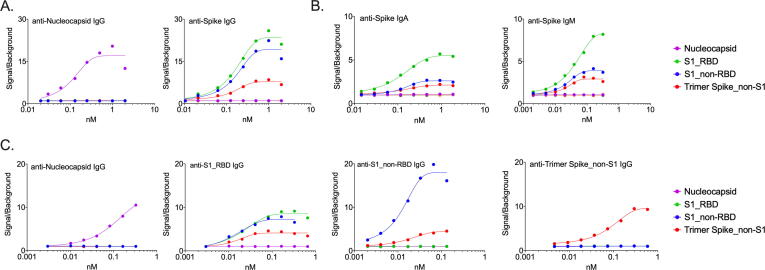
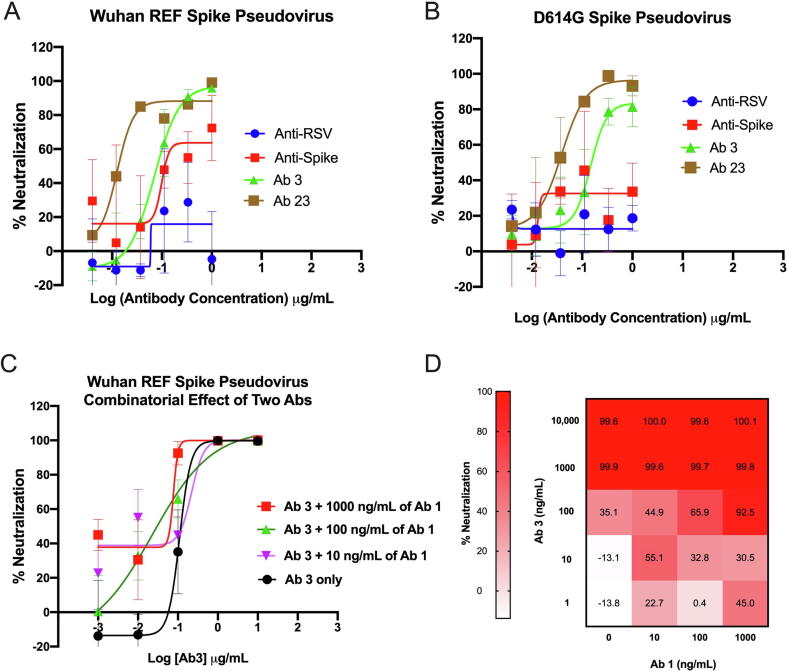
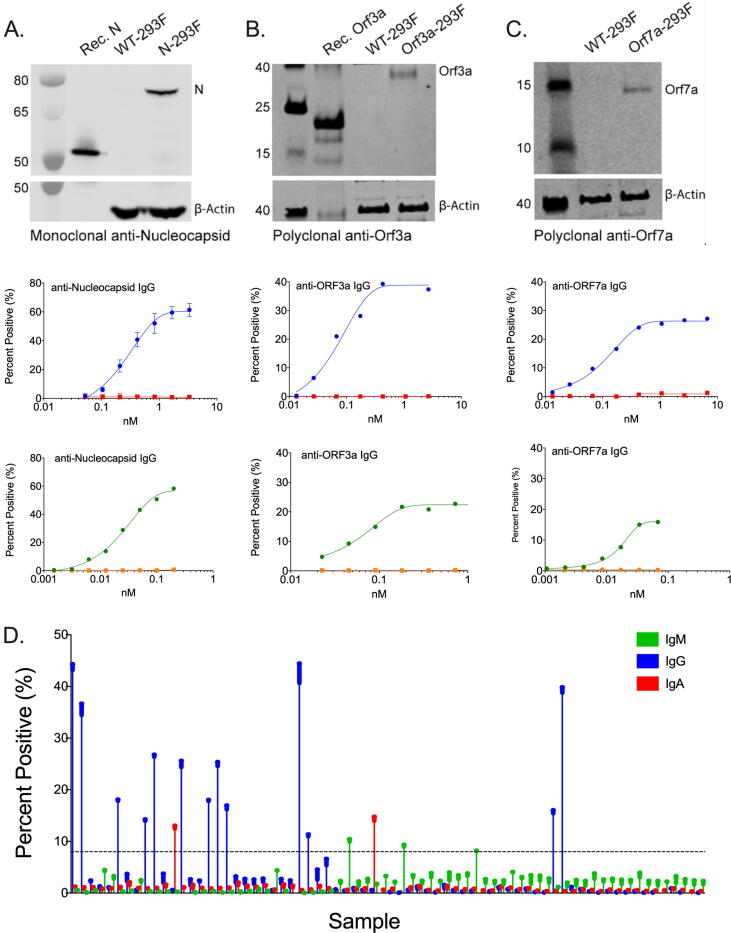
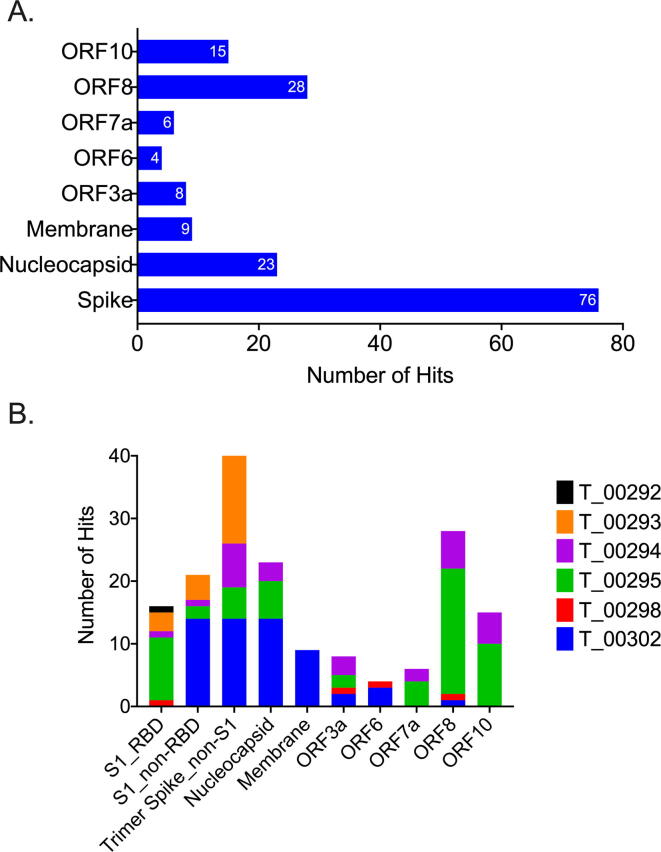
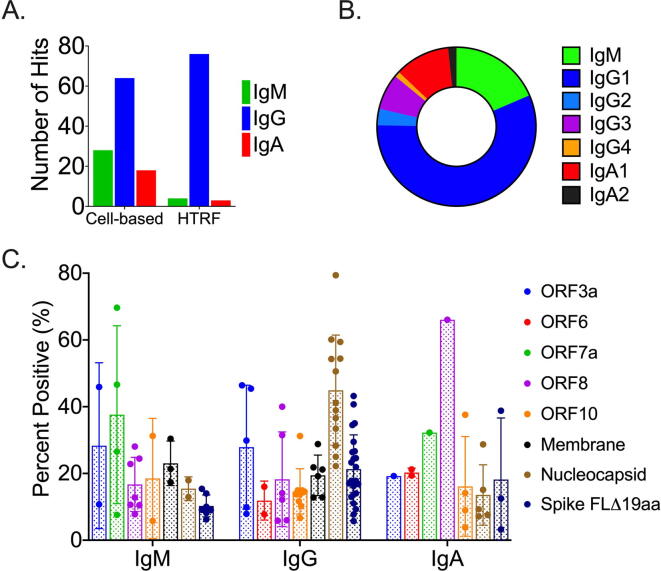
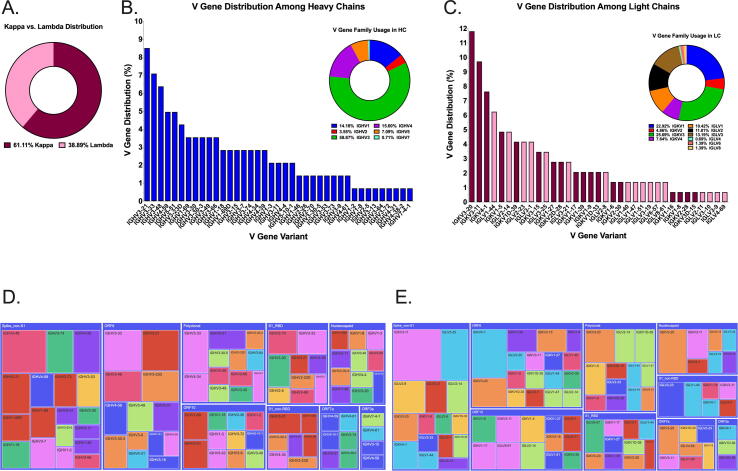
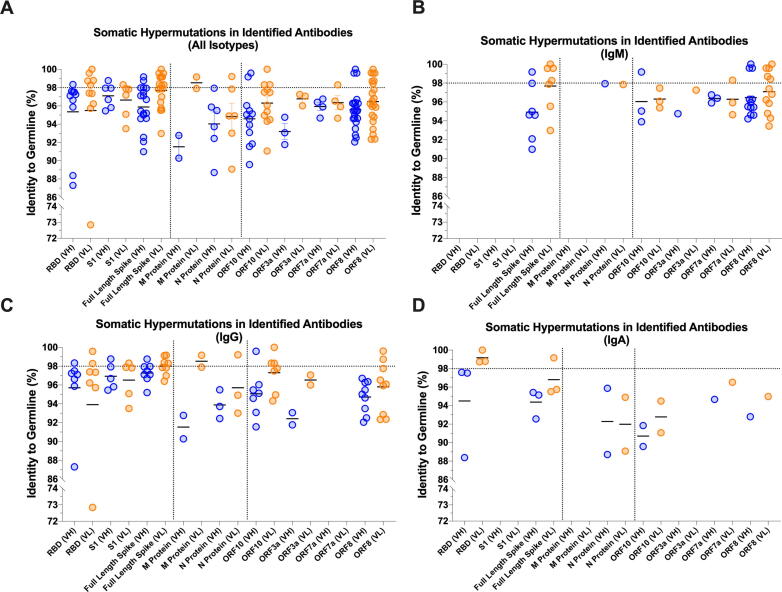
Patients who recover from SARS-CoV-2 infections produce antibodies and antigen-specific T cells against multiple viral proteins. Here, an unbiased interrogation of the anti-viral memory B cell repertoire of convalescent patients has been performed by generating large, stable hybridoma libraries and screening thousands of monoclonal antibodies to identify specific, high-affinity immunoglobulins (Igs) directed at distinct viral components. As expected, a significant number of antibodies were directed at the Spike (S) protein, a majority of which recognized the full-length protein. These full-length Spike specific antibodies included a group of somatically hypermutated IgMs. Further, all but one of the six COVID-19 convalescent patients produced class-switched antibodies to a soluble form of the receptor-binding domain (RBD) of S protein. Functional properties of anti-Spike antibodies were confirmed in a pseudovirus neutralization assay. Importantly, more than half of all of the antibodies generated were directed at non-S viral proteins, including structural nucleocapsid (N) and membrane (M) proteins, as well as auxiliary open reading frame-encoded (ORF) proteins. The antibodies were generally characterized as having variable levels of somatic hypermutations (SHM) in all Ig classes and sub-types, and a diversity of V and V gene usage. These findings demonstrated that an unbiased, function-based approach towards interrogating the COVID-19 patient memory B cell response may have distinct advantages relative to genomics-based approaches when identifying highly effective anti-viral antibodies directed at SARS-CoV-2.
从新冠病毒感染中康复的患者会产生针对多种病毒蛋白的抗体和抗原特异性T细胞。在此,通过构建大型、稳定的杂交瘤文库并筛选数千种单克隆抗体,以鉴定针对不同病毒成分的特异性、高亲和力免疫球蛋白(Ig),对康复患者的抗病毒记忆B细胞库进行了无偏差研究。正如预期的那样,大量抗体针对刺突(S)蛋白,其中大多数识别全长蛋白。这些全长刺突特异性抗体包括一组体细胞高频突变的IgM。此外,六名新冠康复患者中除一人外,均产生了针对S蛋白受体结合域(RBD)可溶性形式的类别转换抗体。在假病毒中和试验中证实了抗刺突抗体的功能特性。重要的是,所产生的所有抗体中,超过一半针对非S病毒蛋白,包括结构核衣壳(N)蛋白和膜(M)蛋白,以及辅助开放阅读框编码(ORF)蛋白。这些抗体的总体特征是,在所有Ig类别和亚型中体细胞高频突变(SHM)水平各异,且V基因和V基因的使用具有多样性。这些发现表明,在鉴定针对新冠病毒的高效抗病毒抗体时,相对于基于基因组学的方法,采用无偏差、基于功能的方法研究新冠患者的记忆B细胞反应可能具有明显优势。