From the School of Public Health.
Lister Hill Library of Health Sciences.
Sex Transm Dis. 2021 Aug 1;48(8S):S58-S65. doi: 10.1097/OLQ.0000000000001461.
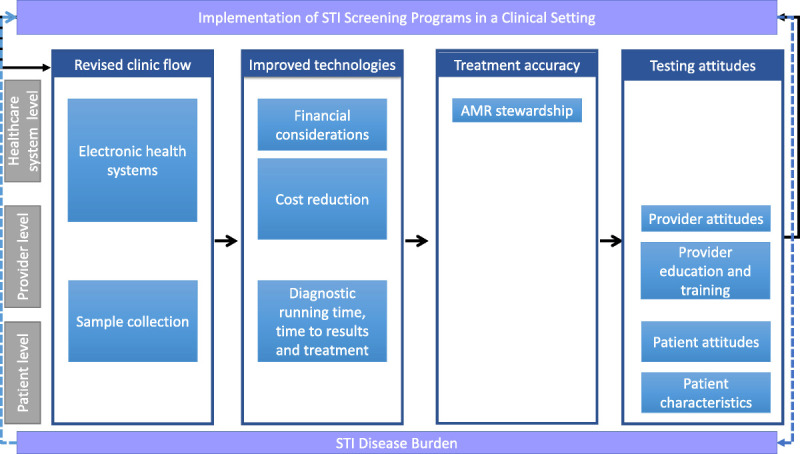
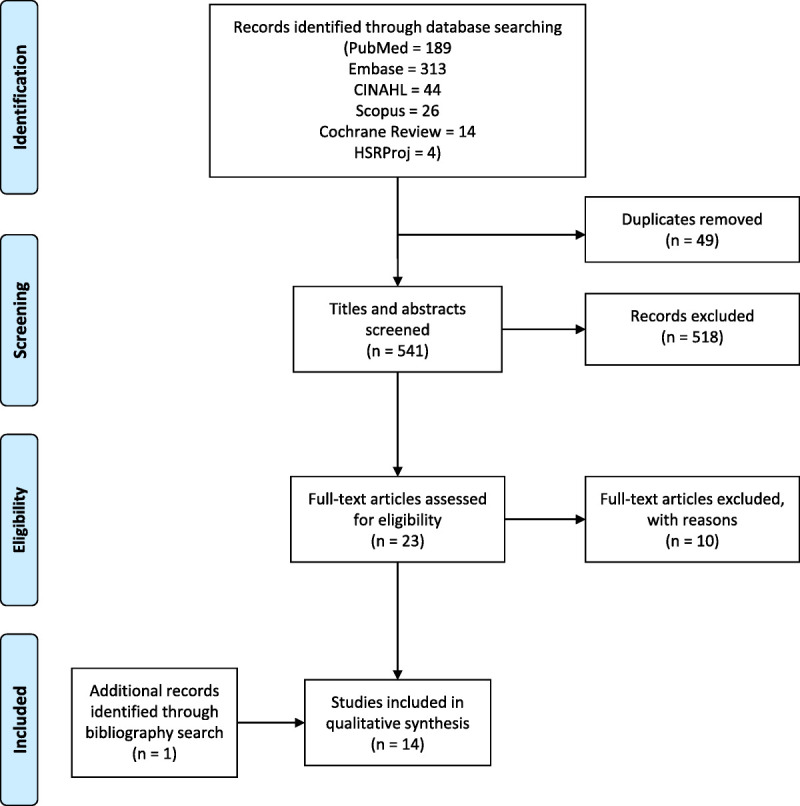
Chlamydia and gonorrhea are 2 of the most common bacterial sexually transmitted infections (STIs) worldwide. Rising chlamydia and gonorrhea rates along with increased closing of STI clinics has led many to seek STI testing in clinical settings such as urgent cares and walk-in clinics. However, with competing priorities, providing effective and efficient STI care can be difficult in these settings. This has left a growing need for the implementation of novel STI screening programs in other clinical settings. This review summarizes previous studies that have evaluated the clinical implementation of chlamydia and gonorrhea screening programs in these settings. Literature from January 2015 to February 2020 regarding the implementation or evaluation of STI screening programs in clinical settings was reviewed. Constructs from the Capability, Opportunity, Motivation, and Behavior model were used to organize results, as this model can aid in identifying specific strategies for behavior/process change interventions. We found that multiple STI screening programs have been implemented and evaluated in 5 different countries and multiple health care facilities including sexual health clinics, urgent cares, walk-in clinics, and university health clinics. When implementing new STI screening programs, sample-first, test-and-go services and molecular point-of-care (POC) testing approaches were found to be effective in increasing screening and reducing costs and time to treatment. At the health care systems level, these programs can help reduce STI screening costs and generate additional revenue for clinics. At the provider level, clear communication and guidance can help clinical and administrative staff in adopting new screening programs. Finally, at the patient level, new programs can reduce time to treatment and travel costs in visiting clinics multiple times for testing and treatment services.
淋病和衣原体是世界上最常见的两种细菌性性传播感染(STI)。淋病和衣原体感染率的上升以及性传播感染诊所的关闭,导致许多人在临床环境中,如急诊和门诊诊所寻求性传播感染检测。然而,由于需要优先处理其他事项,在这些环境中提供有效的性传播感染护理可能具有挑战性。这就需要在其他临床环境中实施新的性传播感染筛查计划。本综述总结了以前评估这些环境中淋病和衣原体筛查计划临床实施的研究。回顾了 2015 年 1 月至 2020 年 2 月期间关于临床环境中性传播感染筛查计划的实施或评估的文献。利用能力、机会、动机和行为模型的结构来组织结果,因为该模型可以帮助确定行为/过程改变干预措施的具体策略。我们发现,在 5 个不同的国家和多个医疗保健机构,包括性健康诊所、急诊、门诊诊所和大学健康诊所,已经实施和评估了多个性传播感染筛查计划。在实施新的性传播感染筛查计划时,发现样本优先、测试后放行服务和分子即时检测(POC)检测方法可有效增加筛查率,降低成本并缩短治疗时间。在医疗保健系统层面,这些计划有助于降低性传播感染筛查成本并为诊所带来额外收入。在提供者层面,明确的沟通和指导可以帮助临床和行政人员采用新的筛查计划。最后,在患者层面,新的计划可以减少多次就诊进行检测和治疗服务的治疗时间和旅行成本。