Genetics and Biochemistry Branch, National Institute of Diabetes and Digestive and Kidney Diseases, National Institutes of Health, Bethesda, Maryland, USA.
Genetics and Biochemistry Branch, National Institute of Diabetes and Digestive and Kidney Diseases, National Institutes of Health, Bethesda, Maryland, USA
mBio. 2021 May 4;12(3):e00597-21. doi: 10.1128/mBio.00597-21.
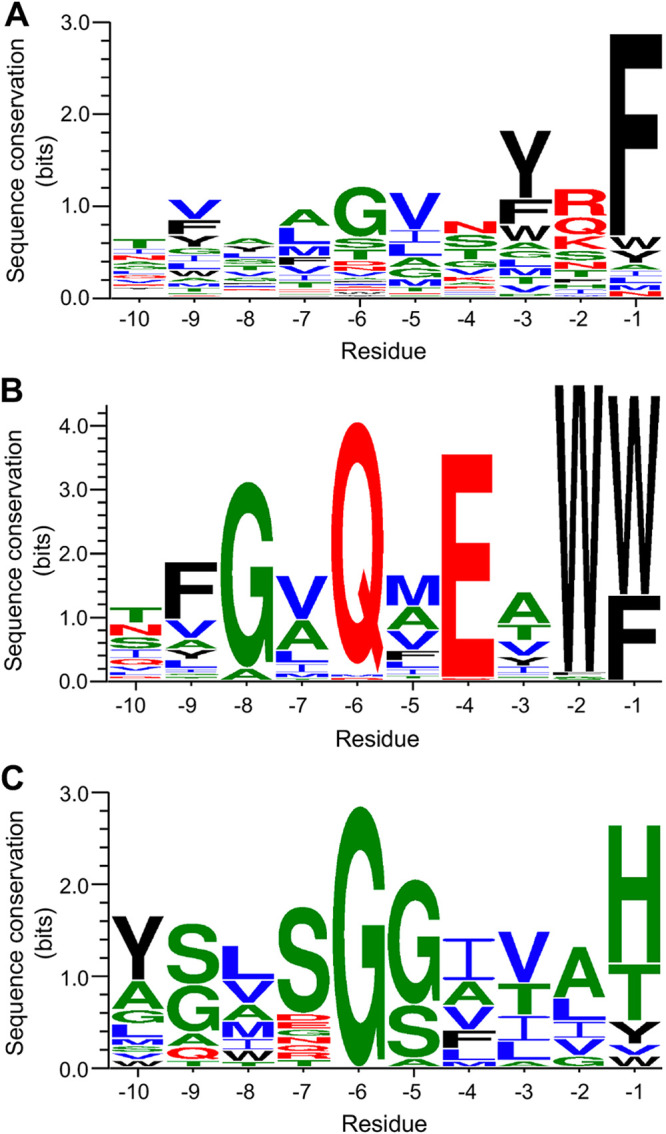
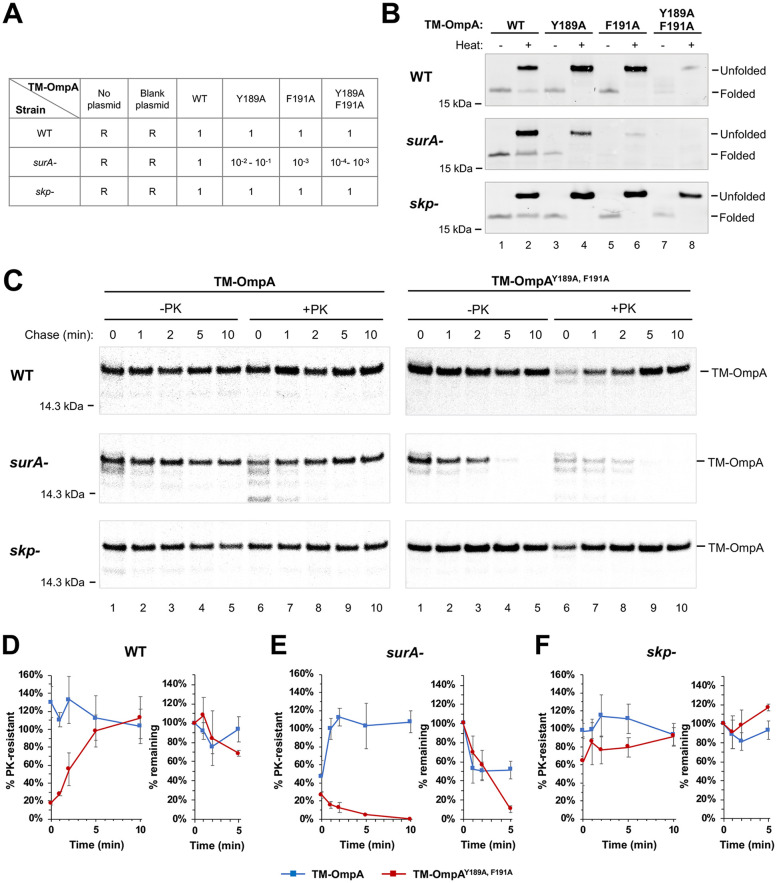
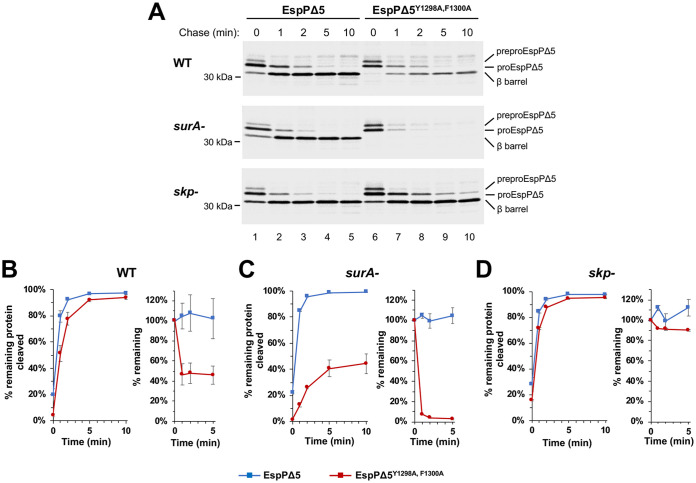
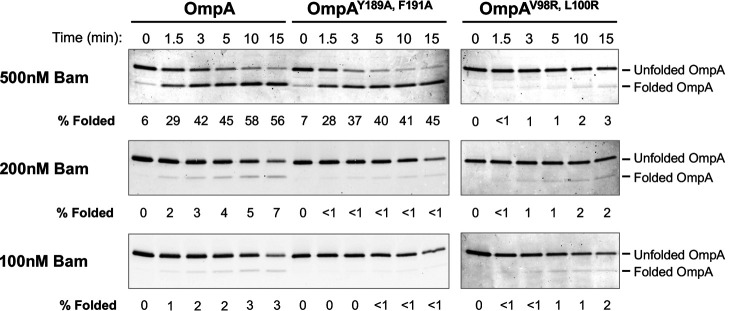
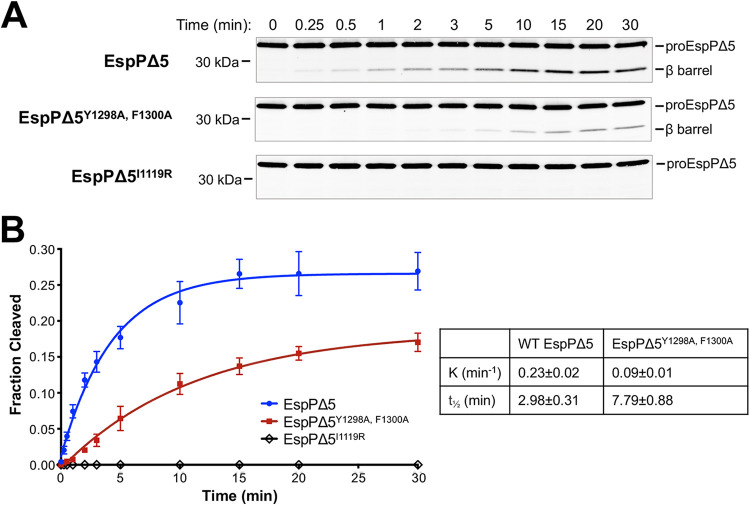
Membrane proteins that are integrated into the outer membrane of Gram-negative bacteria typically contain a unique "β barrel" structure that serves as a membrane spanning segment. A conserved "β signal" motif is located at the C terminus of the β barrel of many outer membrane proteins (OMPs), but the function of this sequence is unclear. We found that mutations in the β signal slightly delayed the assembly of three model OMPs by reducing their affinity for the arrel ssembly achinery (Bam) complex, a heterooligomer that catalyzes β barrel insertion, and led to the degradation of a fraction of the protein in the periplasm. Interestingly, the absence of the periplasmic chaperone SurA amplified the effect of the mutations and caused the complete degradation of the mutant proteins. In contrast, the absence of another periplasmic chaperone (Skp) suppressed the effect of the mutations and considerably enhanced the efficiency of assembly. Our results reveal the existence of two parallel OMP targeting mechanisms that rely on a -acting peptide (the β signal) and a -acting factor (SurA), respectively. Our results also challenge the long-standing view that periplasmic chaperones are redundant and provide evidence that they have specialized functions. Proteins that are embedded in the outer membrane of Gram-negative bacteria (OMPs) play an important role in protecting the cell from harmful chemicals. OMPs share a common architecture and often contain a conserved sequence motif (β motif) of unknown function. Although OMPs are escorted to the outer membrane by proteins called chaperones, the exact function of the chaperones is also unclear. Here, we show that the β motif and the chaperone SurA both target OMPs to the β barrel insertion machinery in the outer membrane. In contrast, the chaperone Skp delivers unintegrated OMPs to protein degradation complexes. Our results challenge the long-standing view that chaperones are functionally redundant and strongly suggest that they have specialized roles in OMP targeting and quality control.
膜蛋白整合到革兰氏阴性细菌的外膜中,通常含有独特的“β桶”结构,作为跨膜片段。许多外膜蛋白(OMP)的β桶的 C 末端存在保守的“β信号”基序,但该序列的功能尚不清楚。我们发现,β信号中的突变通过降低它们与 arrel ssembly 机制(Bam)复合物的亲和力来稍微延迟三种模型 OMP 的组装,Bam 复合物是一种催化β桶插入的异源寡聚体,并导致蛋白质在周质中的一部分降解。有趣的是,周质伴侣 SurA 的缺失放大了突变的影响,并导致突变蛋白完全降解。相比之下,另一种周质伴侣(Skp)的缺失抑制了突变的影响,并大大提高了组装效率。我们的结果揭示了两种平行的 OMP 靶向机制的存在,它们分别依赖于一个作用肽(β信号)和一个作用因子(SurA)。我们的结果还挑战了周质伴侣是冗余的长期观点,并提供了它们具有专门功能的证据。嵌入革兰氏阴性细菌外膜的蛋白质(OMP)在保护细胞免受有害化学物质的侵害方面起着重要作用。OMP 具有共同的结构,并且经常包含一个未知功能的保守序列基序(β基序)。尽管 OMP 被称为伴侣蛋白护送到达外膜,但伴侣蛋白的确切功能也不清楚。在这里,我们表明β基序和伴侣蛋白 SurA 都将 OMP 靶向到外膜中的β桶插入机制。相比之下,伴侣蛋白 Skp 将未整合的 OMP 递送到蛋白降解复合物。我们的结果挑战了伴侣蛋白在功能上是冗余的长期观点,并强烈表明它们在 OMP 靶向和质量控制中具有专门的作用。