Engelke D S, Zhang X O, O'Malley J J, Fernandez-Leon J A, Li S, Kirouac G J, Beierlein M, Do-Monte F H
Department of Neurobiology and Anatomy, The University of Texas Health Science Center, Houston, TX, USA.
Department of Oral Biol., University of Manitoba, Winnipeg, MB, Canada.
Nat Commun. 2021 May 4;12(1):2517. doi: 10.1038/s41467-021-22730-y.
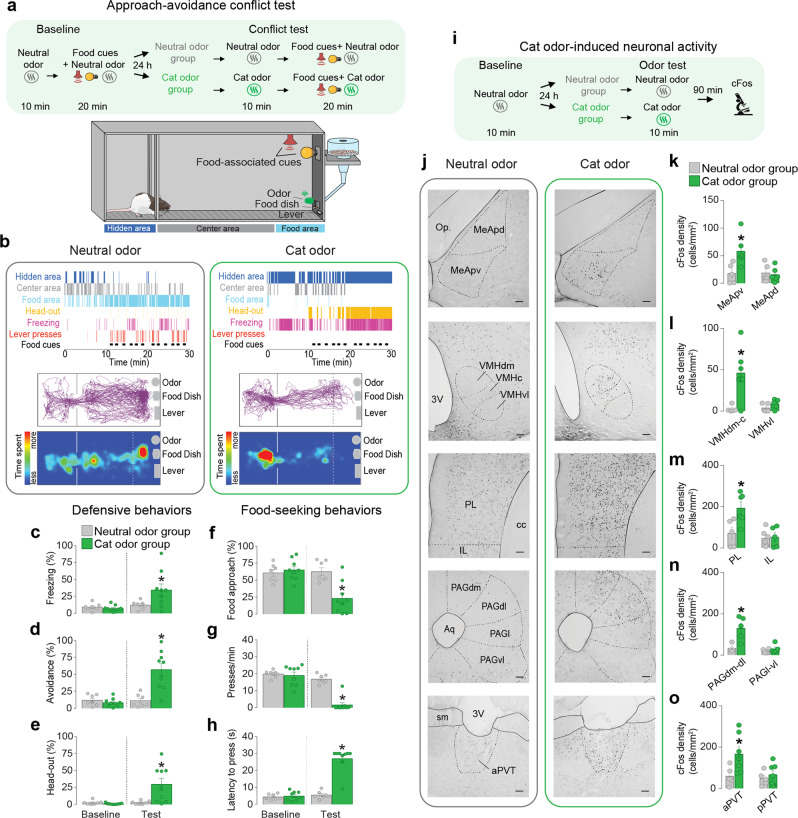
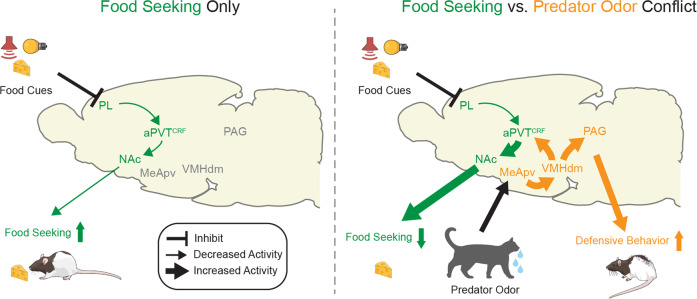
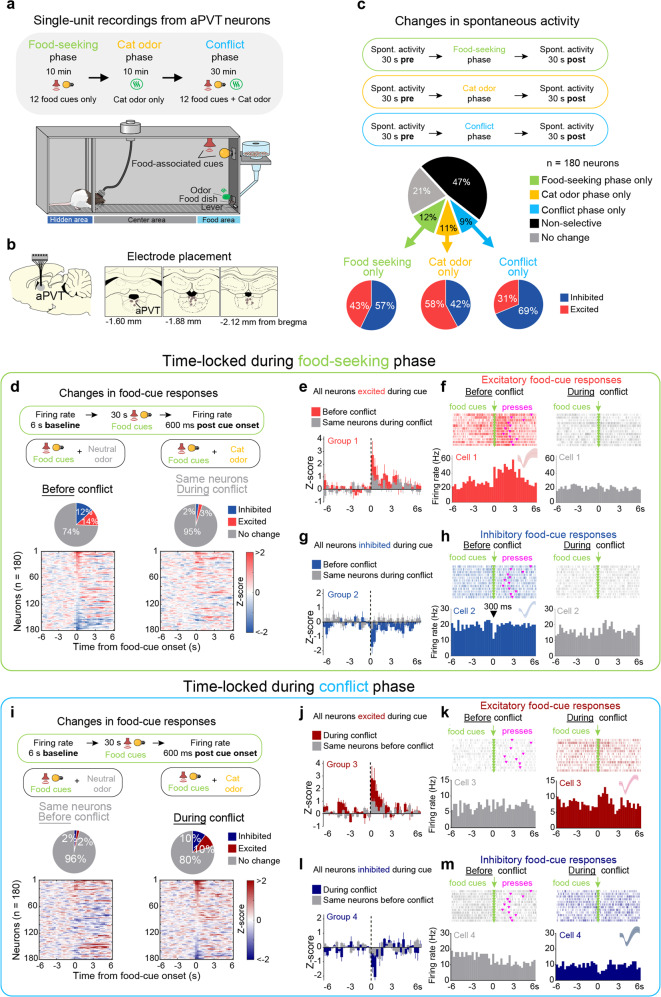
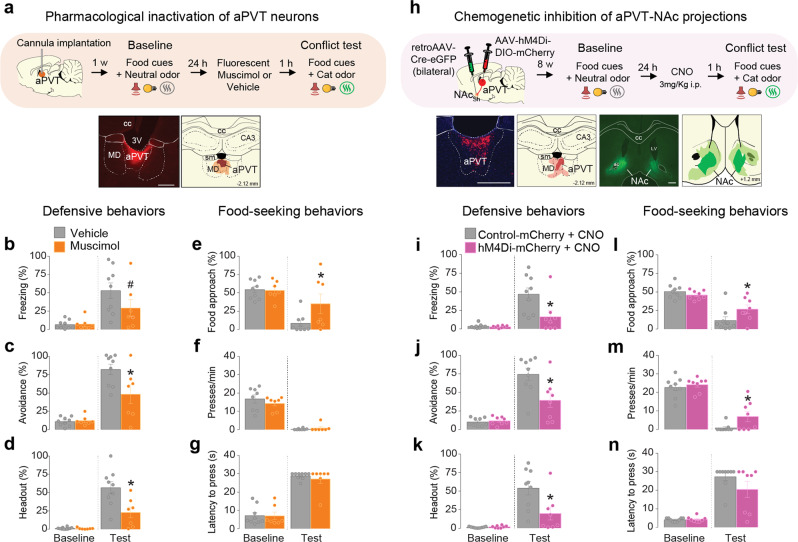
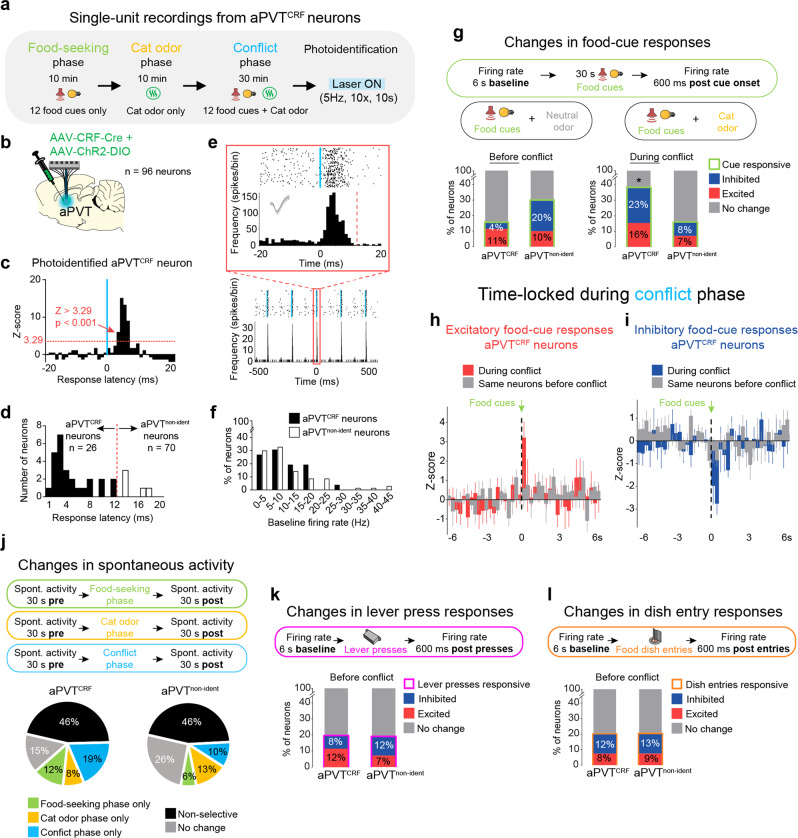
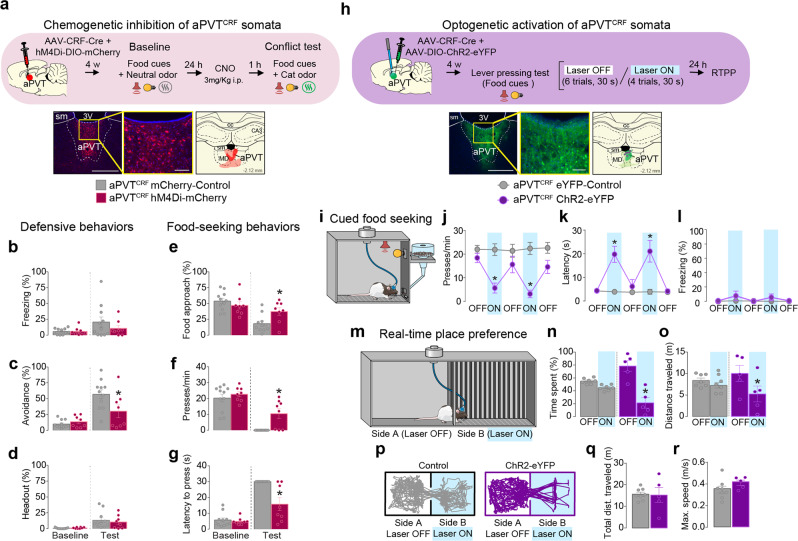
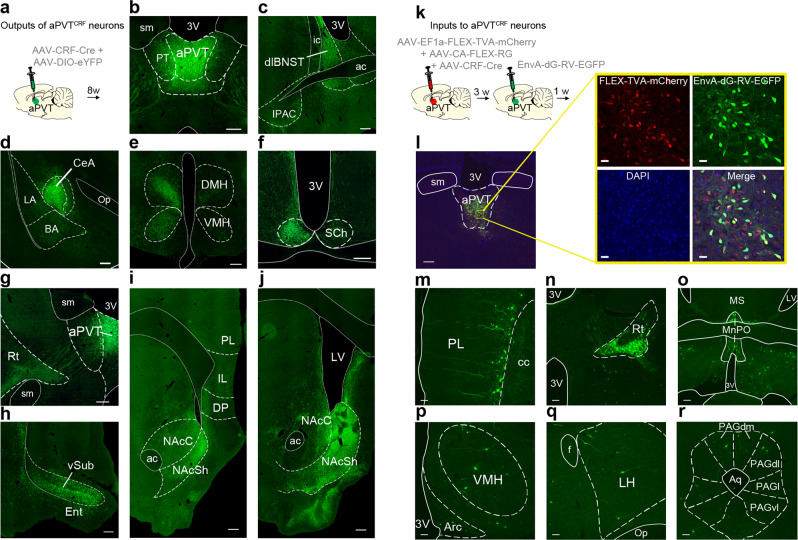
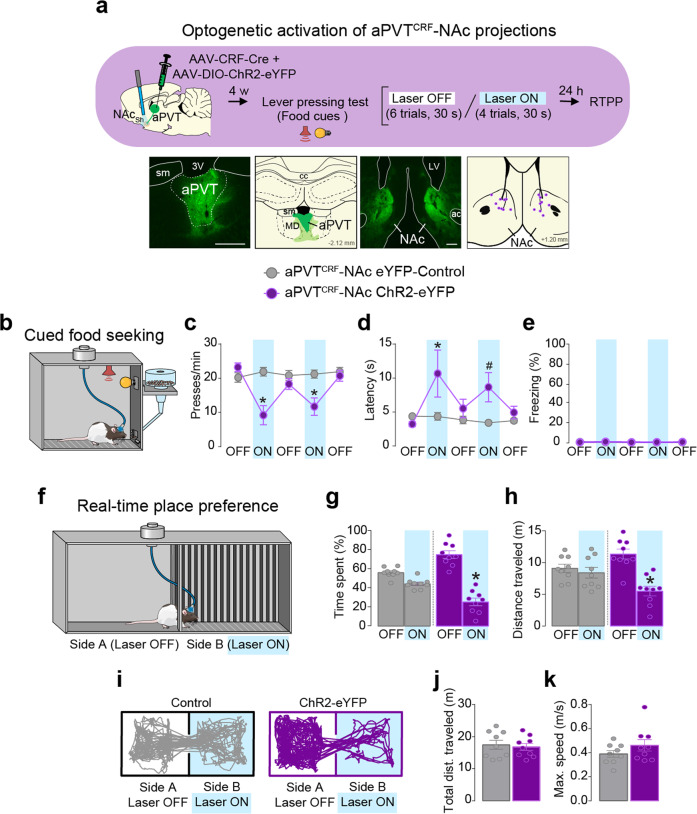
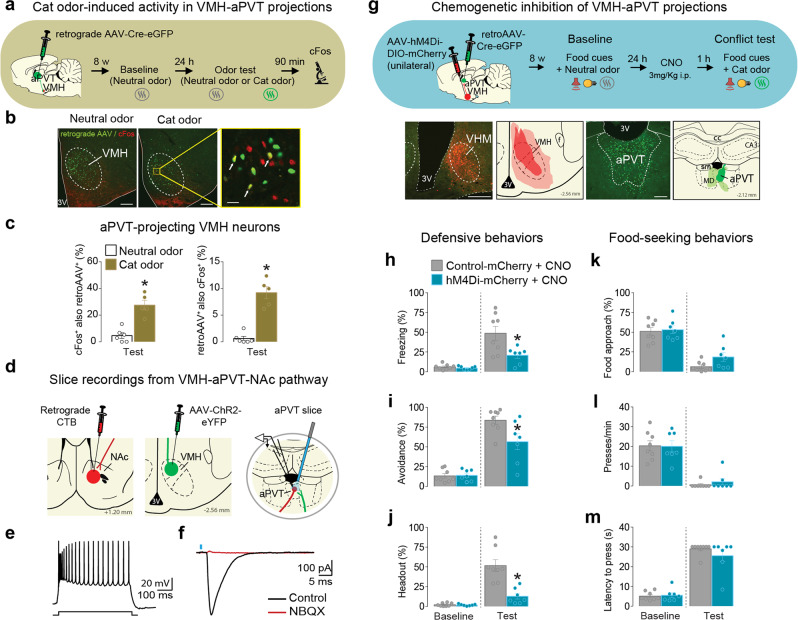
Survival depends on a balance between seeking rewards and avoiding potential threats, but the neural circuits that regulate this motivational conflict remain largely unknown. Using an approach-food vs. avoid-predator threat conflict test in rats, we identified a subpopulation of neurons in the anterior portion of the paraventricular thalamic nucleus (aPVT) which express corticotrophin-releasing factor (CRF) and are preferentially recruited during conflict. Inactivation of aPVT neurons during conflict biases animal's response toward food, whereas activation of these cells recapitulates the food-seeking suppression observed during conflict. aPVT neurons project densely to the nucleus accumbens (NAc), and activity in this pathway reduces food seeking and increases avoidance. In addition, we identified the ventromedial hypothalamus (VMH) as a critical input to aPVT neurons, and demonstrated that VMH-aPVT neurons mediate defensive behaviors exclusively during conflict. Together, our findings describe a hypothalamic-thalamostriatal circuit that suppresses reward-seeking behavior under the competing demands of avoiding threats.
生存取决于寻求奖励和避免潜在威胁之间的平衡,但调节这种动机冲突的神经回路在很大程度上仍不为人知。通过在大鼠中进行食物与躲避捕食者威胁冲突测试的方法,我们在室旁丘脑核前部(aPVT)中鉴定出了一群表达促肾上腺皮质激素释放因子(CRF)的神经元亚群,它们在冲突期间被优先激活。在冲突期间使aPVT神经元失活会使动物对食物的反应产生偏差,而激活这些细胞则会重现冲突期间观察到的对食物寻求的抑制。aPVT神经元密集投射到伏隔核(NAc),该通路的活动会减少对食物的寻求并增加躲避行为。此外,我们确定腹内侧下丘脑(VMH)是aPVT神经元的关键输入,并证明VMH-aPVT神经元仅在冲突期间介导防御行为。总之,我们的研究结果描述了一种下丘脑-丘脑纹状体回路,该回路在避免威胁的竞争需求下抑制寻求奖励的行为。