Haight Joshua L, Fuller Zachary L, Fraser Kurt M, Flagel Shelly B
Neuroscience Graduate Program, The University of Michigan, Ann Arbor, MI, United States.
Undergraduate Program in Neuroscience, The University of Michigan, Ann Arbor, MI, United States.
Neuroscience. 2017 Jan 6;340:135-152. doi: 10.1016/j.neuroscience.2016.10.043. Epub 2016 Oct 25.
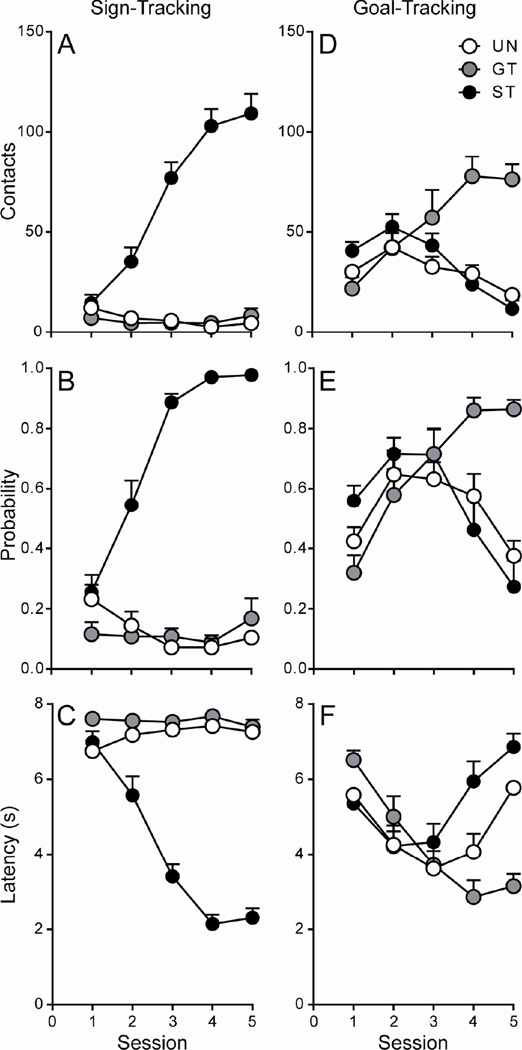
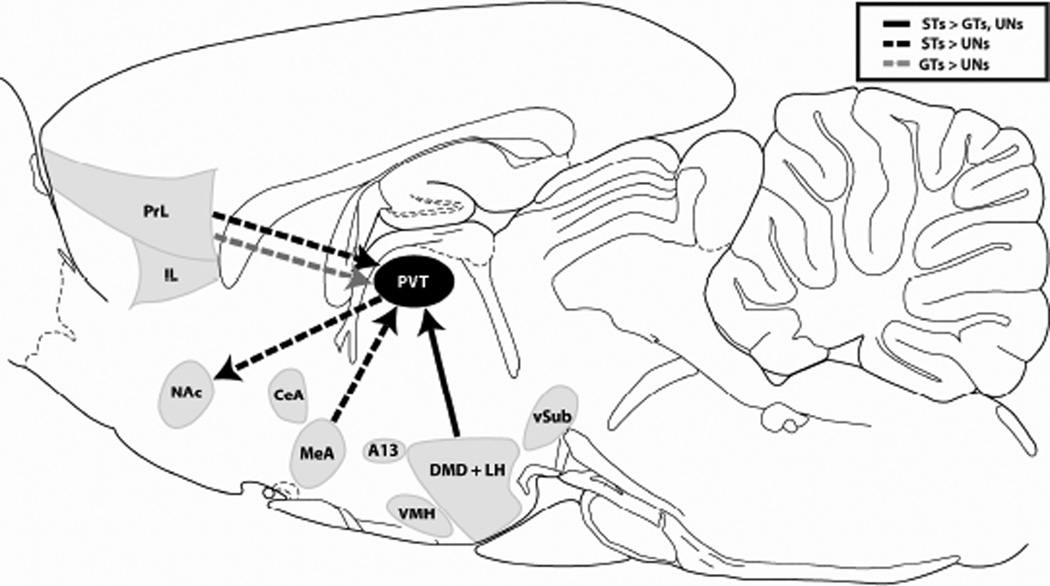
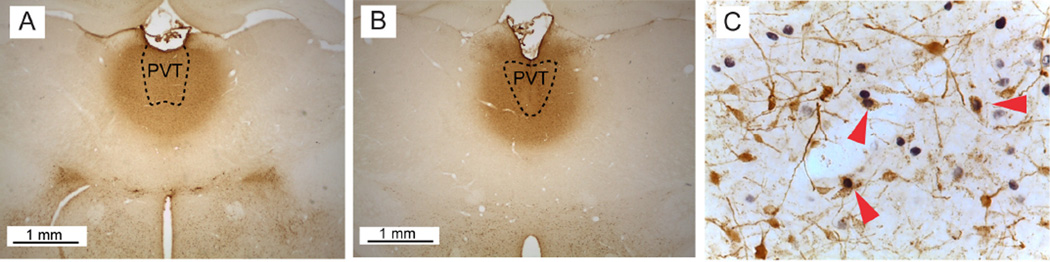
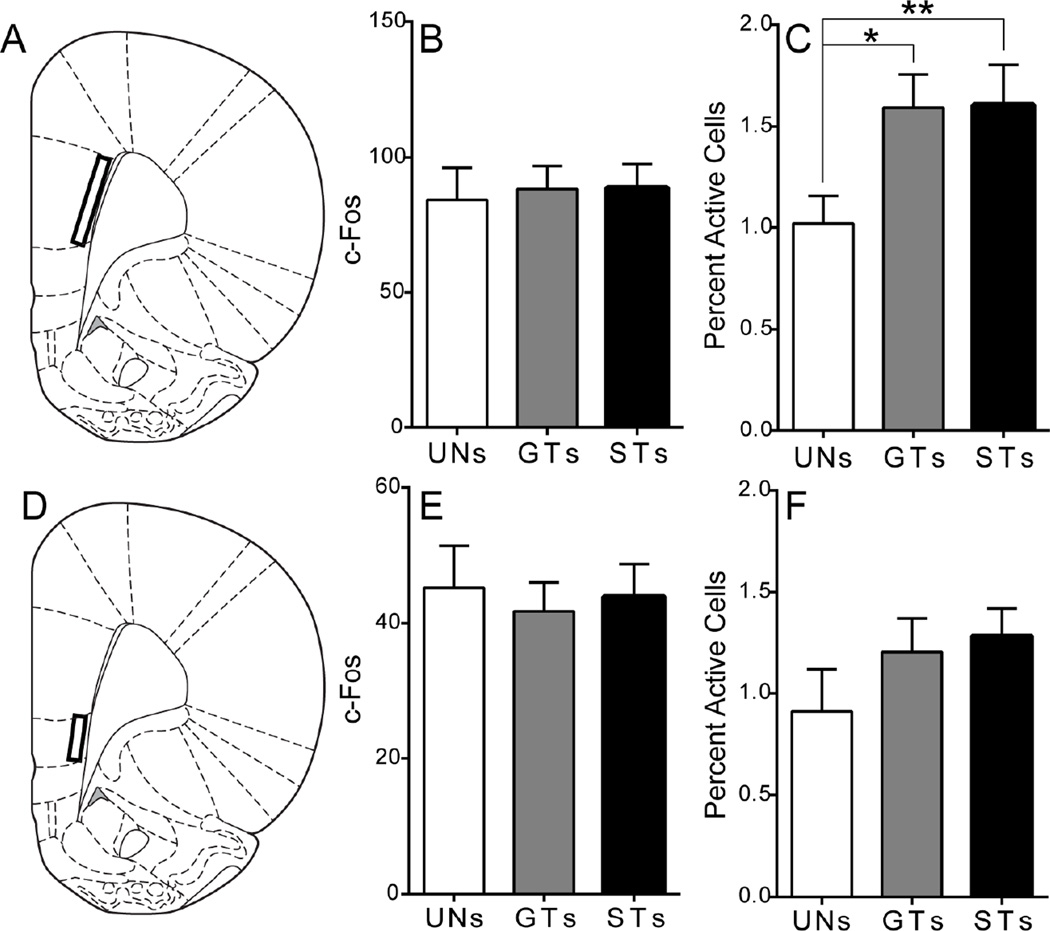
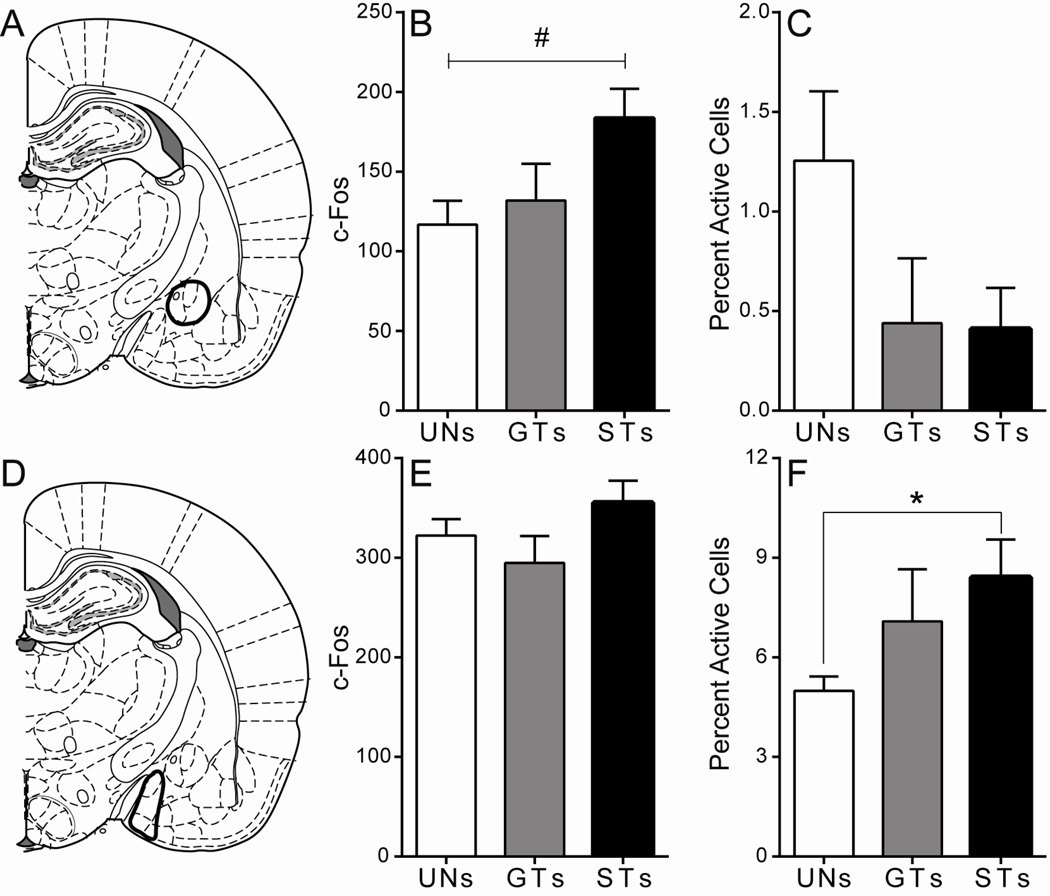
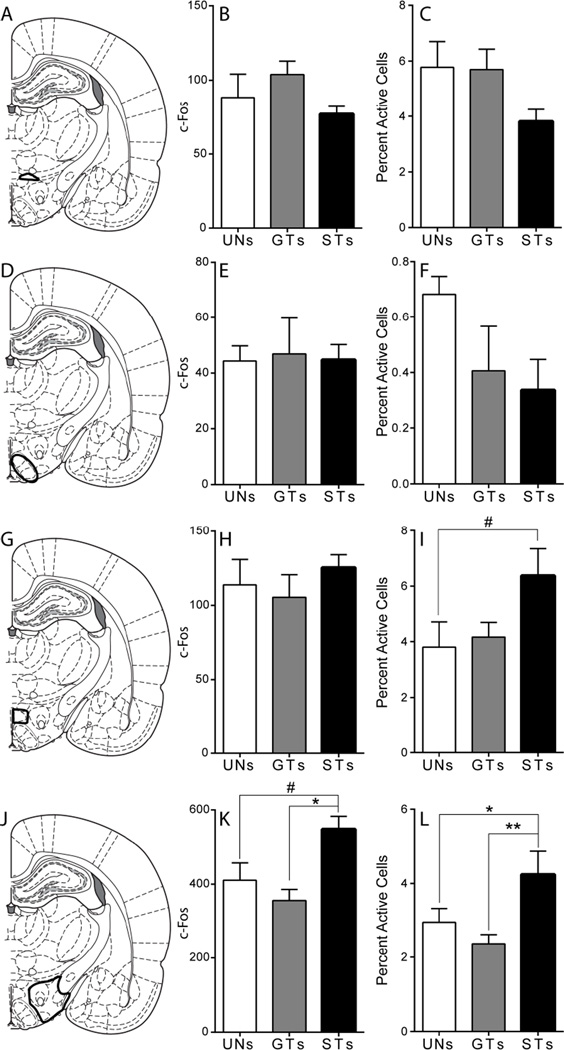
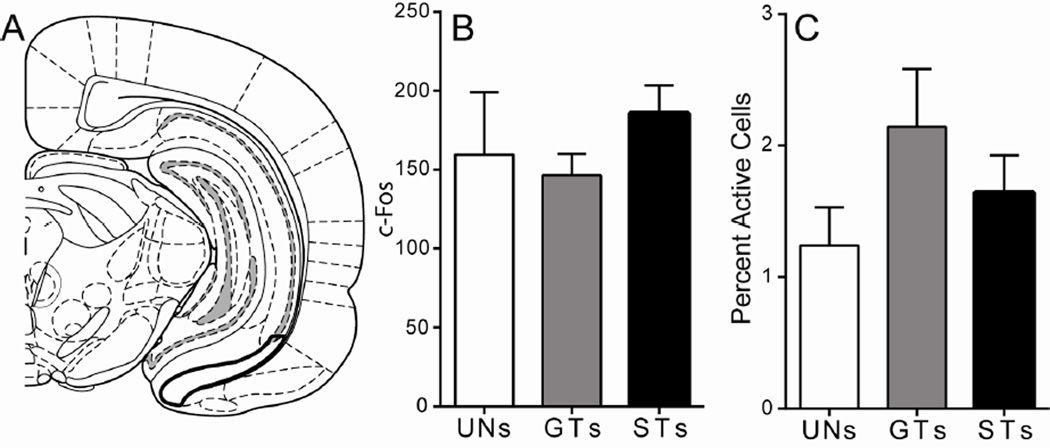
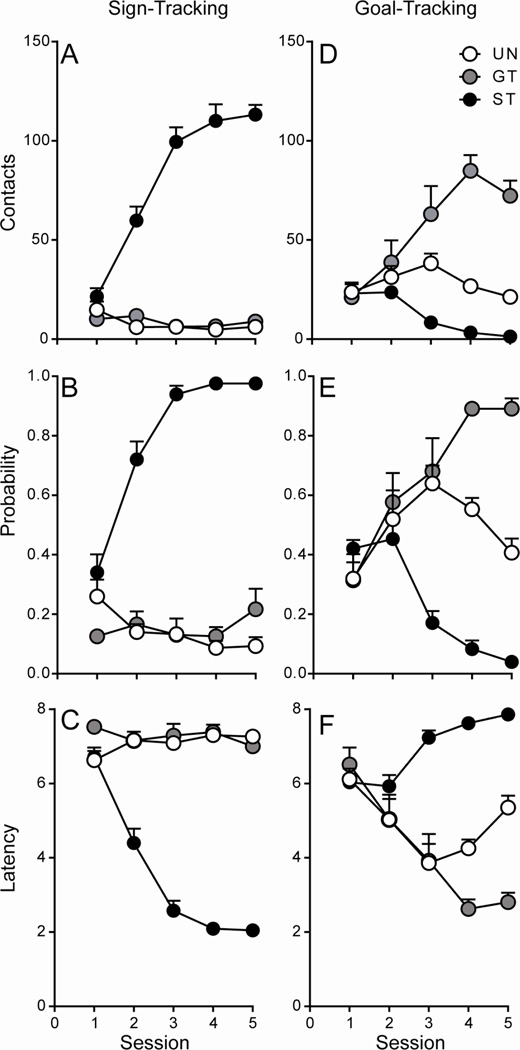
The paraventricular nucleus of the thalamus (PVT) has been implicated in behavioral responses to reward-associated cues. However, the precise role of the PVT in these behaviors has been difficult to ascertain since Pavlovian-conditioned cues can act as both predictive and incentive stimuli. The "sign-tracker/goal-tracker" rat model has allowed us to further elucidate the role of the PVT in cue-motivated behaviors, identifying this structure as a critical component of the neural circuitry underlying individual variation in the propensity to attribute incentive salience to reward cues. The current study assessed differences in the engagement of specific PVT afferents and efferents in response to presentation of a food-cue that had been attributed with only predictive value or with both predictive and incentive value. The retrograde tracer fluorogold (FG) was injected into the PVT or the nucleus accumbens (NAc) of rats, and cue-induced c-Fos in FG-labeled cells was quantified. Presentation of a predictive stimulus that had been attributed with incentive value elicited c-Fos in PVT afferents from the lateral hypothalamus, medial amygdala (MeA), and the prelimbic cortex (PrL), as well as posterior PVT efferents to the NAc. PVT afferents from the PrL also showed elevated c-Fos levels following presentation of a predictive stimulus alone. Thus, presentation of an incentive stimulus results in engagement of subcortical brain regions; supporting a role for the hypothalamic-thalamic-striatal axis, as well as the MeA, in mediating responses to incentive stimuli; whereas activity in the PrL to PVT pathway appears to play a role in processing the predictive qualities of reward-paired stimuli.
丘脑室旁核(PVT)与对奖赏相关线索的行为反应有关。然而,由于经典条件作用线索既可以作为预测性刺激,也可以作为激励性刺激,PVT在这些行为中的确切作用一直难以确定。“信号追踪者/目标追踪者”大鼠模型使我们能够进一步阐明PVT在线索驱动行为中的作用,确定该结构是神经回路的关键组成部分,该神经回路是个体在将激励显著性归因于奖赏线索的倾向方面存在差异的基础。本研究评估了特定PVT传入和传出神经在对仅具有预测价值或同时具有预测和激励价值的食物线索呈现时的参与差异。将逆行示踪剂荧光金(FG)注入大鼠的PVT或伏隔核(NAc),并对FG标记细胞中线索诱导的c-Fos进行定量。呈现具有激励价值的预测性刺激会在下丘脑外侧、杏仁核内侧(MeA)和前边缘皮层(PrL)的PVT传入神经以及PVT向后NAc的传出神经中引发c-Fos。仅呈现预测性刺激后,来自PrL的PVT传入神经也显示出c-Fos水平升高。因此,呈现激励性刺激会导致皮层下脑区的参与;支持下丘脑-丘脑-纹状体轴以及MeA在介导对激励性刺激的反应中发挥作用;而PrL到PVT通路的活动似乎在处理奖赏配对刺激的预测特性中发挥作用。