Leishmaniasis Research Center, Kerman University of Medical Sciences, Kerman, Iran.
Department of Electrical and Computer Engineering, Graduate University of Advanced Technology, Kerman, Iran.
PLoS One. 2021 May 5;16(5):e0250904. doi: 10.1371/journal.pone.0250904. eCollection 2021.
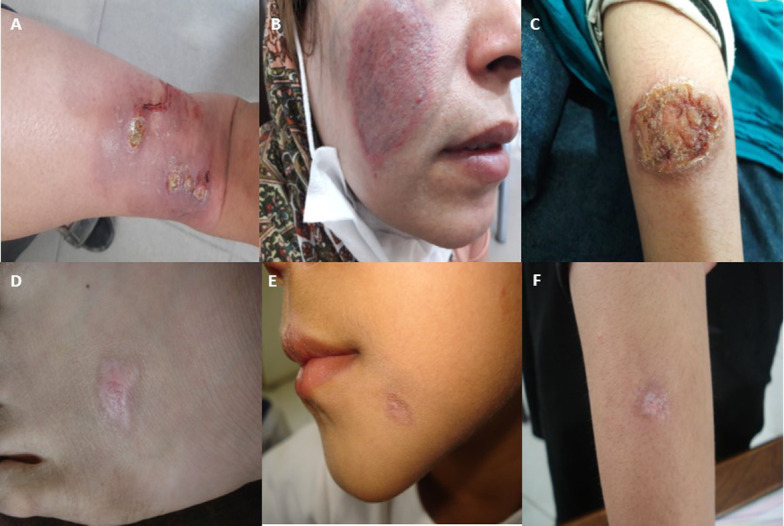
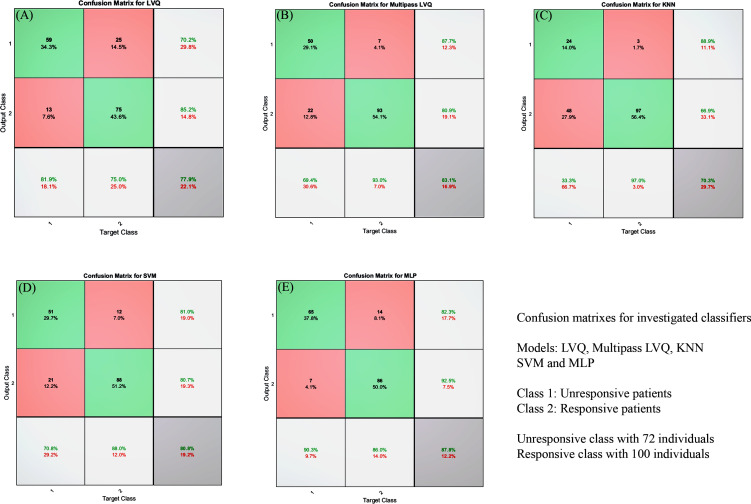
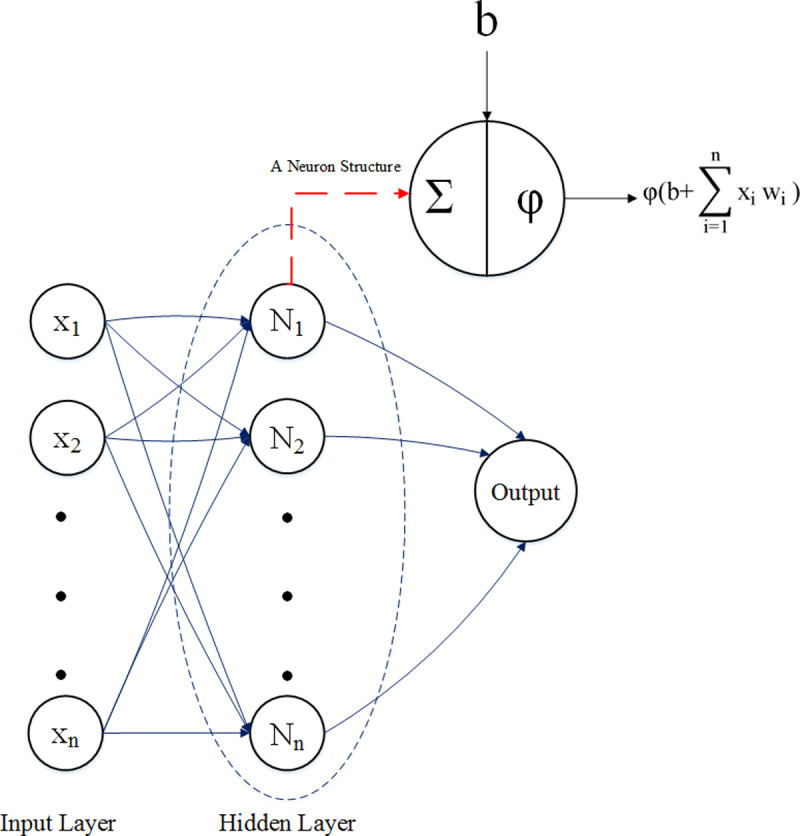
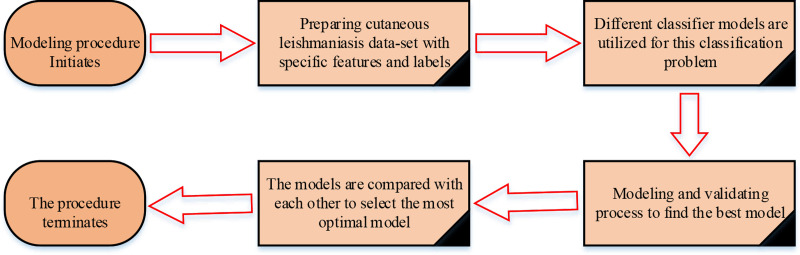
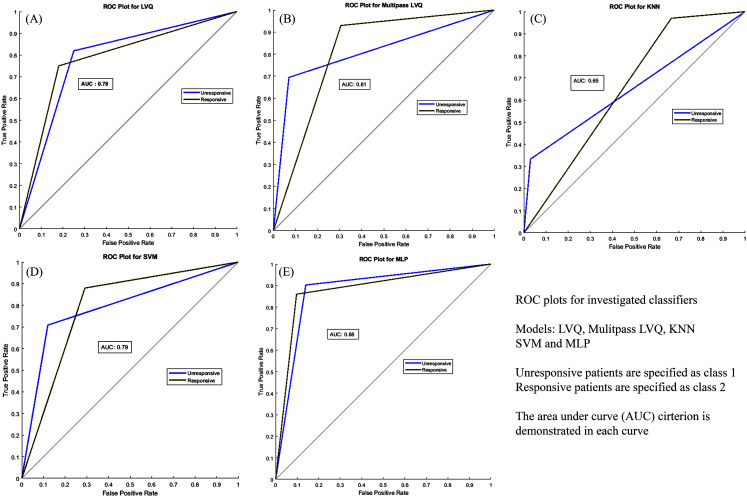
Cutaneous leishmaniasis (CL) imposes a major health burden throughout the tropical and subtropical regions of the globe. Unresponsive cases are common phenomena occurred upon exposure to the standard drugs. Therefore, rapid detection, prognosis and classification of the disease are crucial for selecting the proper treatment modality. Using machine learning (ML) techniques, this study aimed to detect unresponsive cases of ACL, caused by Leishmania tropica, which will consequently be used for a more effective treatment modality. This study was conducted as a case-control setting. Patients were selected in a major ACL focus from both unresponsive and responsive cases. Nine unique and relevant features of patients with ACL were selected. To categorize the patients, different classifier models such as k-nearest neighbors (KNN), support vector machines (SVM), multilayer perceptron (MLP), learning vector quantization (LVQ) and multipass LVQ were applied and compared for this supervised learning task. Comparison of the receiver operating characteristic graphs (ROC) and confusion plots for the above models represented that MLP was a fairly accurate prediction model to solve this problem. The overall accuracy in terms of sensitivity, specificity and area under ROC curve (AUC) of MLP classifier were 87.8%, 90.3%, 86% and 0.88%, respectively. Moreover, the duration of the skin lesion was the most influential feature in MLP classifier, while gender was the least. The present investigation demonstrated that MLP model could be utilized for rapid detection, accurate prognosis and effective treatment of unresponsive patients with ACL. The results showed that the major feature affecting the responsiveness to treatments is the duration of the lesion. This novel approach is unique and can be beneficial in developing diagnostic, prophylactic and therapeutic measures against the disease. This attempt could be a preliminary step towards the expansion of ML application in future directions.
皮肤利什曼病(CL)在全球热带和亚热带地区造成了重大的健康负担。在接触标准药物后,无反应病例很常见。因此,快速检测、预后和疾病分类对于选择适当的治疗方式至关重要。本研究使用机器学习(ML)技术,旨在检测由利什曼原虫引起的无反应性 ACL 病例,从而为更有效的治疗方式提供依据。本研究采用病例对照设计。从无反应和有反应的病例中选择 ACL 患者。选择了 9 个与 ACL 患者相关的独特特征。为了对患者进行分类,应用了不同的分类器模型,如 k-最近邻(KNN)、支持向量机(SVM)、多层感知机(MLP)、学习向量量化(LVQ)和多遍 LVQ,并将其应用于监督学习任务。比较上述模型的接收者操作特征图(ROC)和混淆图表明,MLP 是解决该问题的一种相当准确的预测模型。MLP 分类器的整体准确率在灵敏度、特异性和 ROC 曲线下面积(AUC)方面分别为 87.8%、90.3%、86%和 0.88%。此外,MLP 分类器中,病变持续时间是最具影响力的特征,而性别是最不具影响力的特征。本研究表明,MLP 模型可用于快速检测、准确预后和有效治疗 ACL 无反应患者。结果表明,影响治疗反应的主要特征是病变的持续时间。这种新方法是独特的,可以有益于开发针对该疾病的诊断、预防和治疗措施。这一尝试可能是未来向 ML 应用扩展的初步步骤。