Laboratoire de Génie Chimique, Université de Toulouse, CNRS, INPT, UPS, Fac. Sci. Pharmaceutique, 31062, Toulouse, France.
Laboratoire de Génie Chimique, Université de Toulouse, CNRS, INPT, UPS, 31432, Toulouse, France.
PLoS One. 2021 May 5;16(5):e0251273. doi: 10.1371/journal.pone.0251273. eCollection 2021.
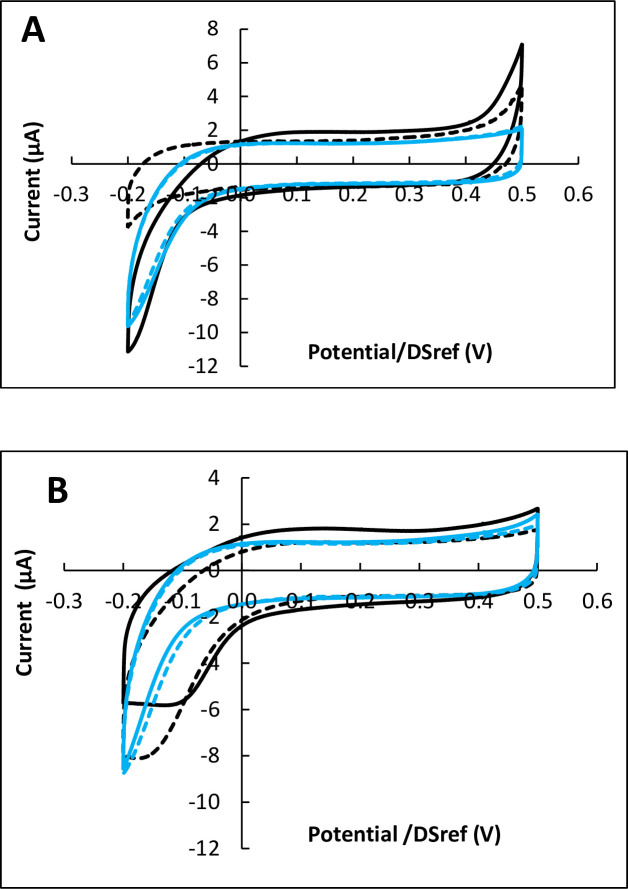
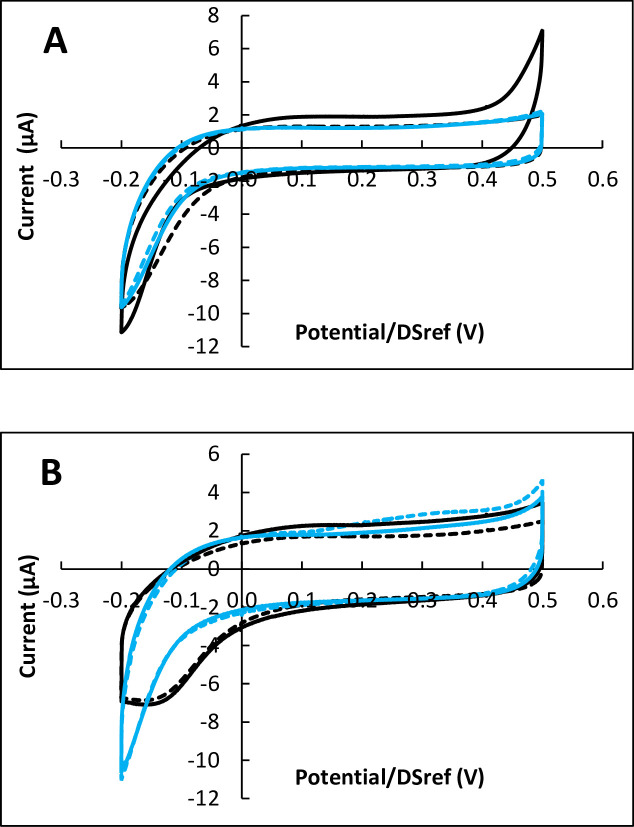
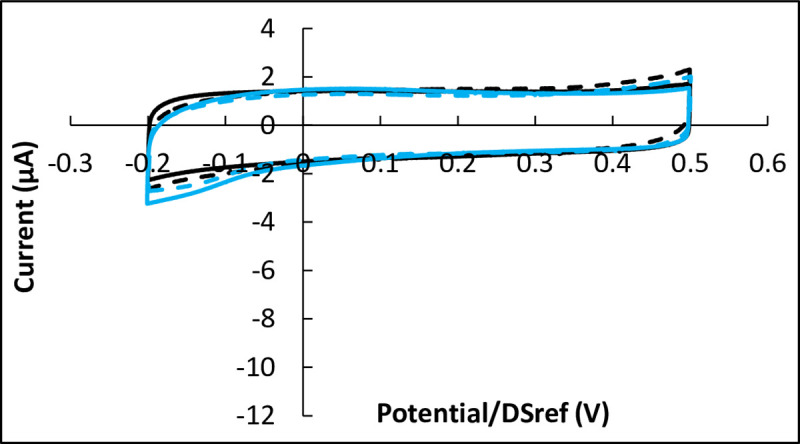
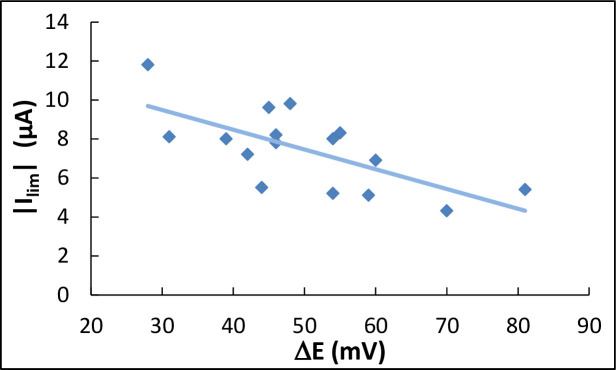
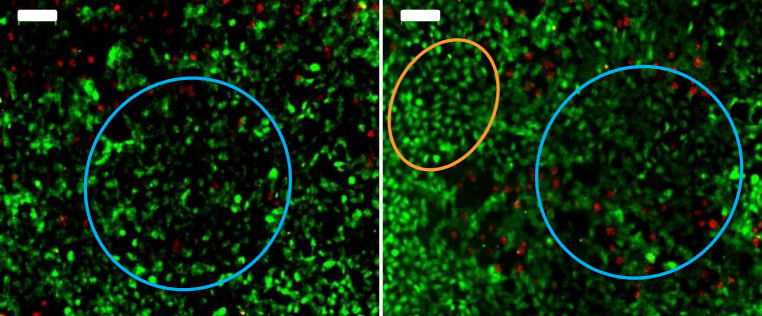
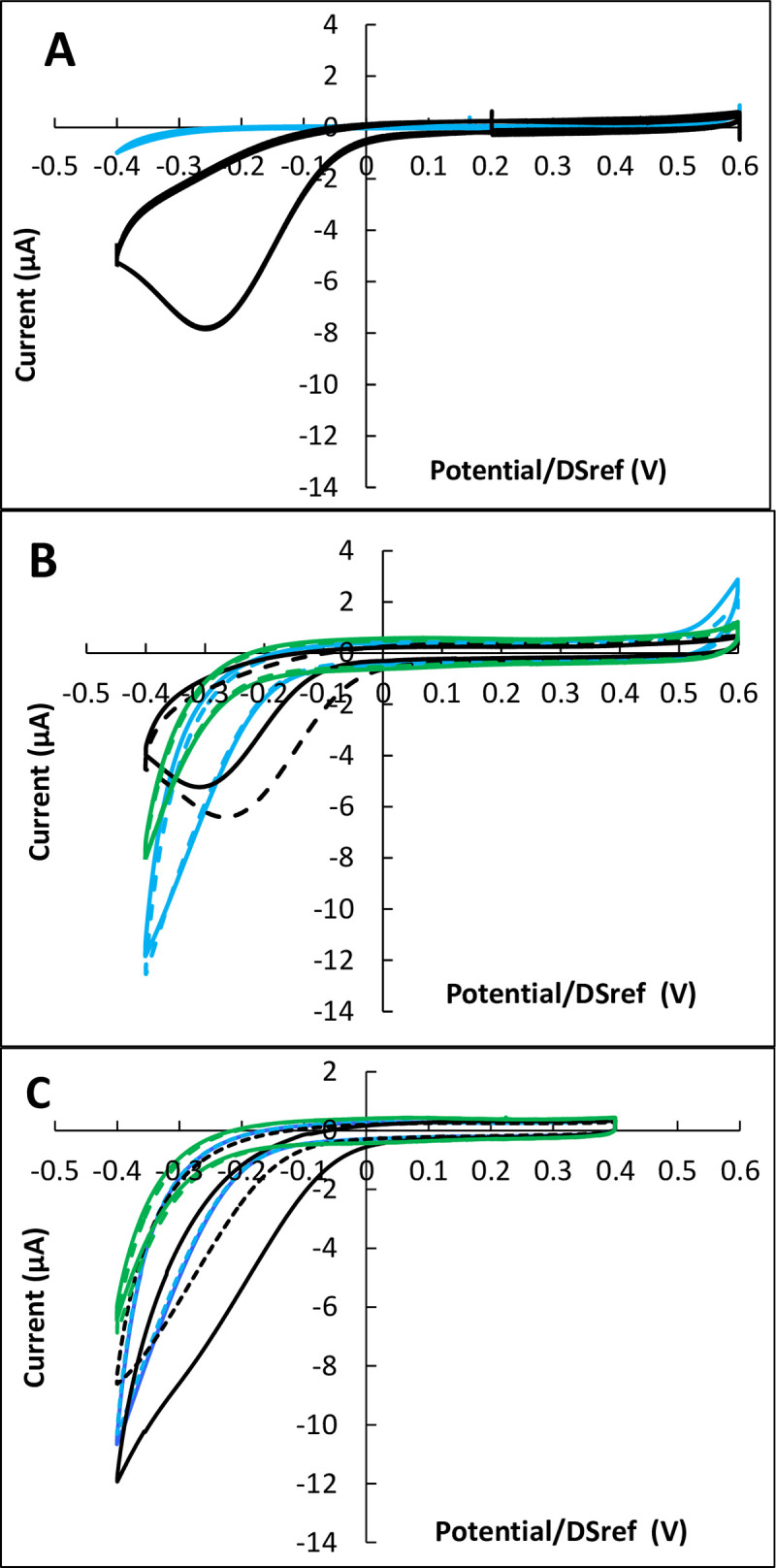
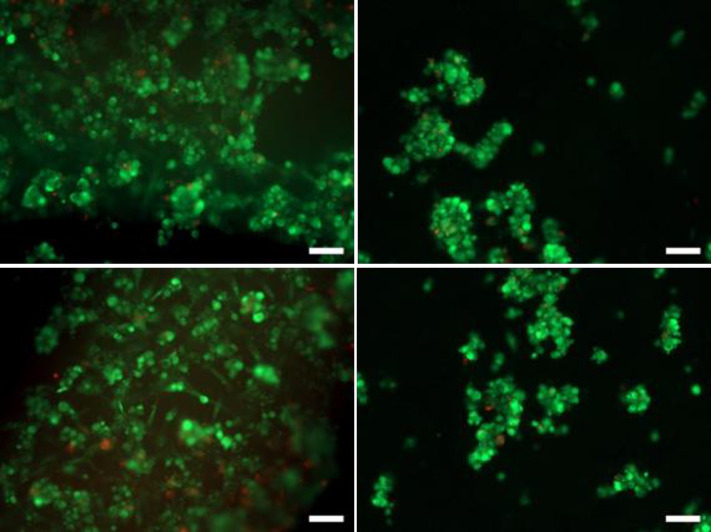
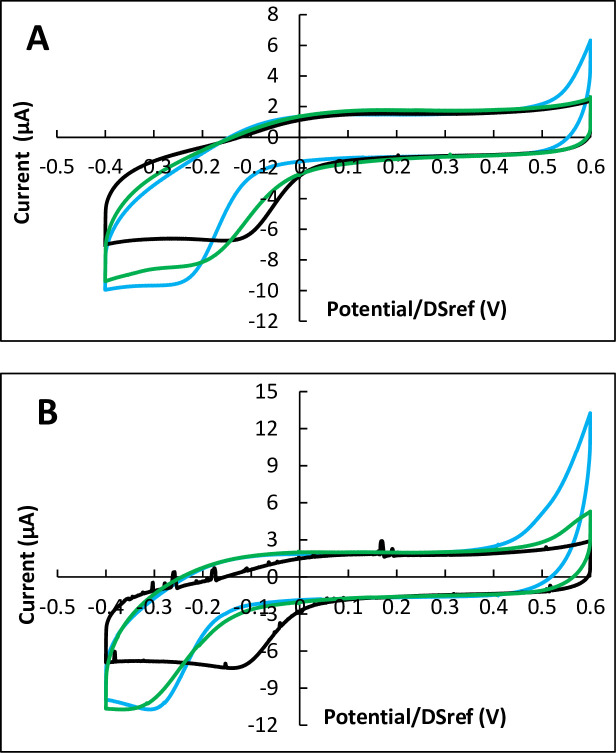
Animal cells from the Vero lineage and MRC5 human cells were checked for their capacity to catalyse the electrochemical oxygen reduction reaction (ORR). The Vero cells needed 72 hours' incubation to induce ORR catalysis. The cyclic voltammetry curves were clearly modified by the presence of the cells with a shift of ORR of 50 mV towards positive potentials and the appearance of a limiting current (59 μA.cm-2). The MRC5 cells induced considerable ORR catalysis after only 4 h of incubation with a potential shift of 110 mV but with large experimental deviation. A longer incubation time, of 24 h, made the results more reproducible with a potential shift of 90 mV. The presence of carbon nanotubes on the electrode surface or pre-treatment with foetal bovine serum or poly-D-lysine did not change the results. These data are the first demonstrations of the capability of animal and human cells to catalyse electrochemical ORR. The discussion of the possible mechanisms suggests that these pioneering observations could pave the way for electrochemical biosensors able to characterize the protective system of cells against oxidative stress and its sensitivity to external agents.
检测了 Vero 系动物细胞和 MRC5 人细胞催化电化学氧还原反应 (ORR) 的能力。Vero 细胞需要孵育 72 小时才能诱导 ORR 催化。循环伏安曲线明显因细胞的存在而发生变化,ORR 向正电势移动 50 mV,出现极限电流 (59 μA.cm-2)。MRC5 细胞孵育仅 4 小时后就引起了相当大的 ORR 催化,其电位移动 110 mV,但实验偏差较大。孵育时间延长至 24 小时,使结果更具重现性,电位移动 90 mV。电极表面存在碳纳米管或用胎牛血清或聚-D-赖氨酸预处理均未改变结果。这些数据首次证明了动物和人类细胞催化电化学 ORR 的能力。对可能机制的讨论表明,这些开创性的观察结果可能为电化学生物传感器铺平道路,使其能够表征细胞对抗氧化应激的保护系统及其对外部试剂的敏感性。