Ge Ming-Hao, Tian He, Mao Liang, Li Dao-Yong, Lin Jia-Quan, Hu Heng-Shuo, Huang Shuo-Cheng, Zhang Chuan-Jie, Mei Xi-Fan
Department of Orthopedics, The First Affiliated Hospital of Jinzhou Medical University, Jinzhou, China.
Department of Histology and Embryology, Jinzhou Medical University, Jinzhou, China.
CNS Neurosci Ther. 2021 May 5;27(9):1023-40. doi: 10.1111/cns.13657.
Spinal cord injury (SCI) involves multiple pathological processes. Ferroptosis has been shown to play a critical role in the injury process. We wanted to explore whether zinc can inhibit ferroptosis, reduce inflammation, and then exert a neuroprotective effect.
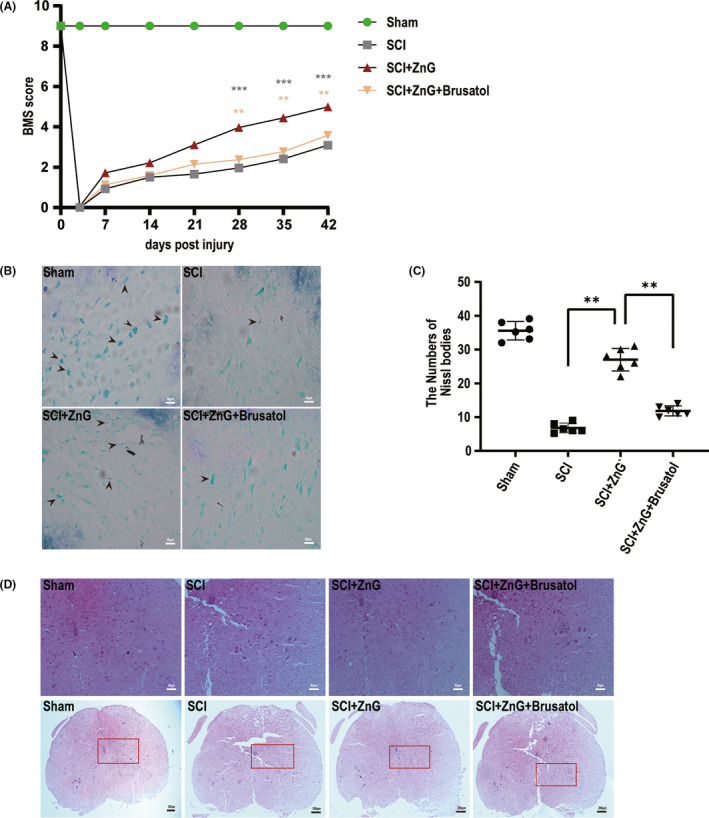
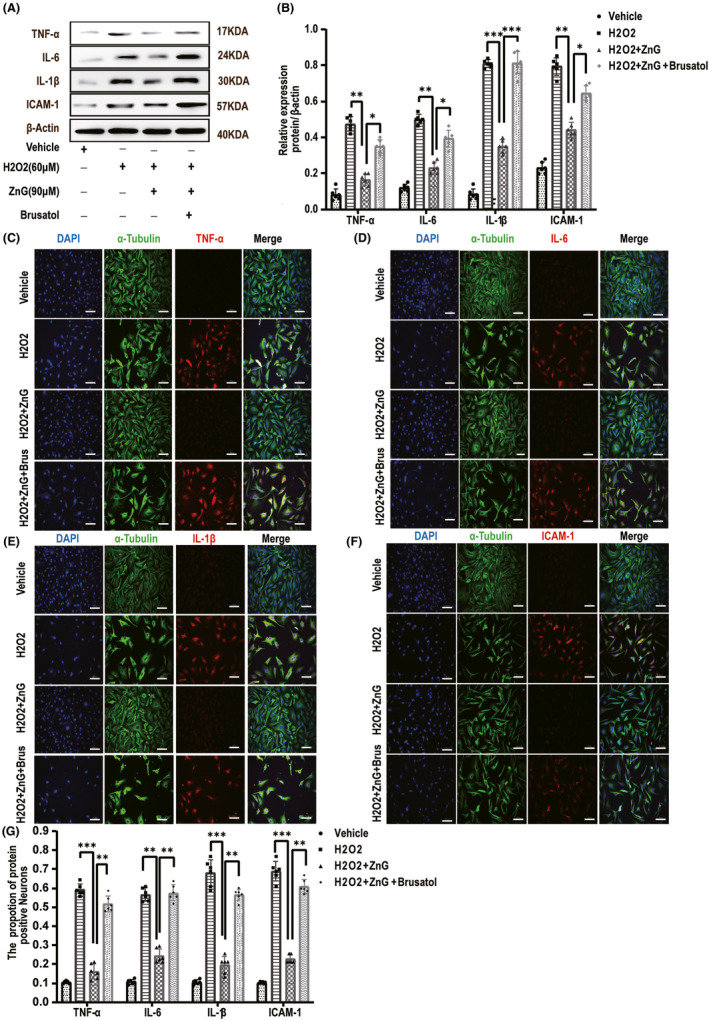
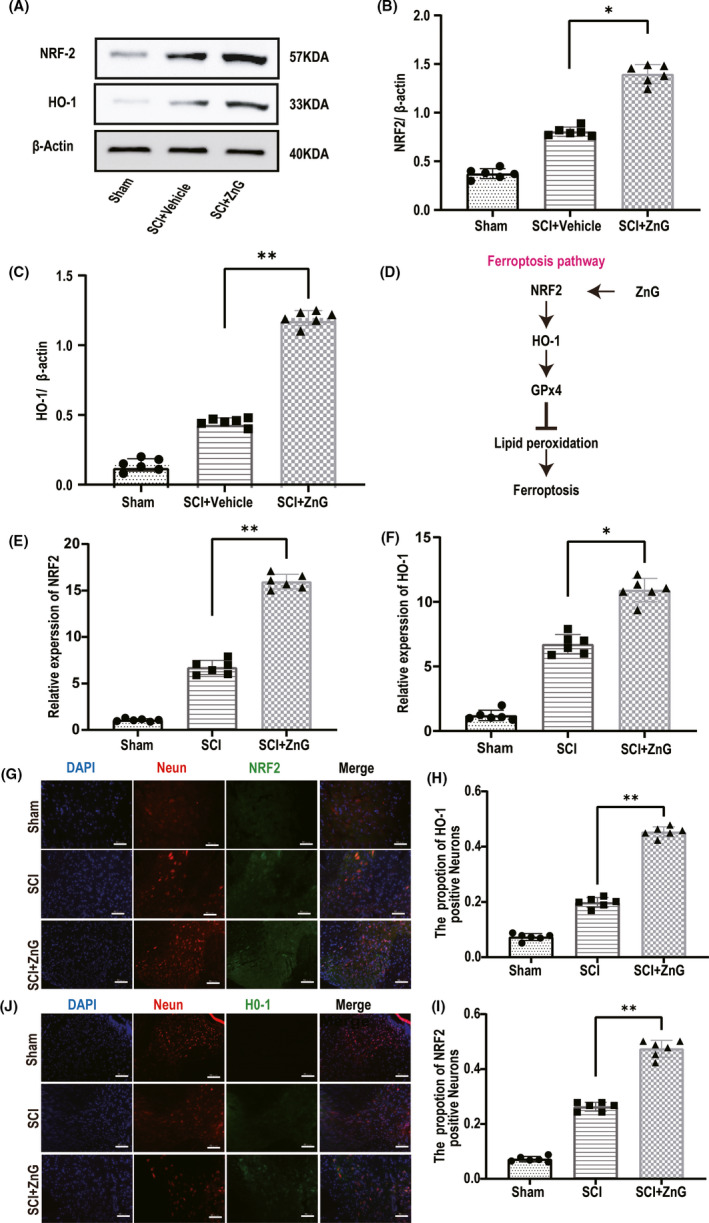
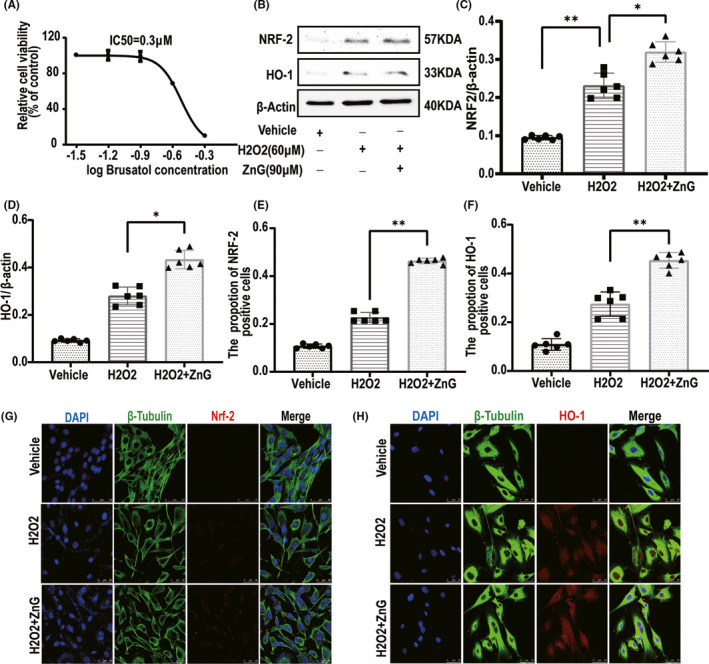
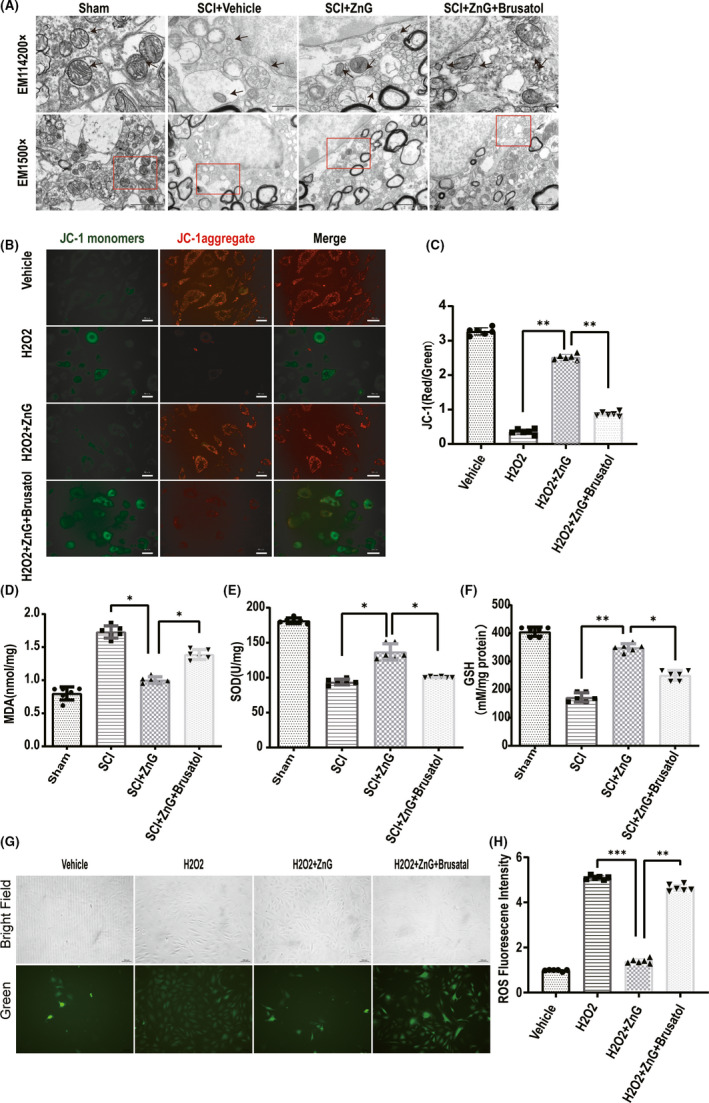
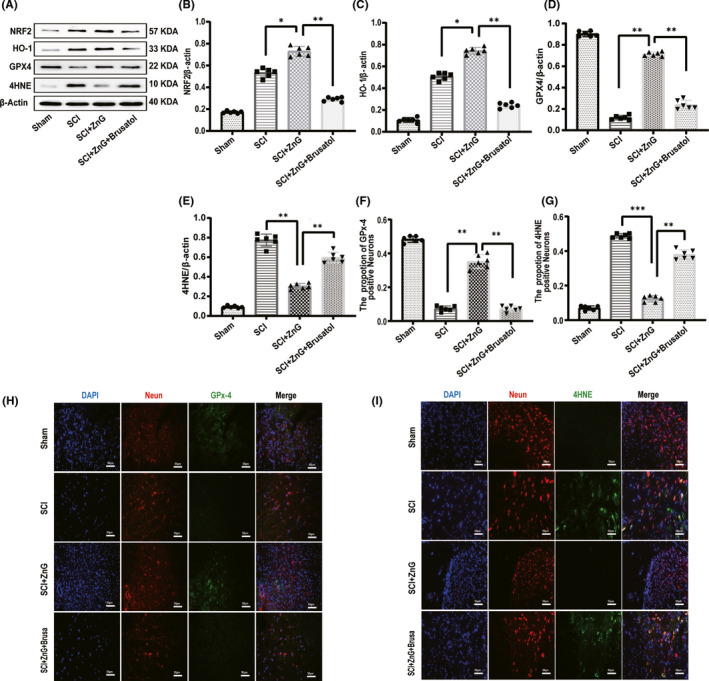
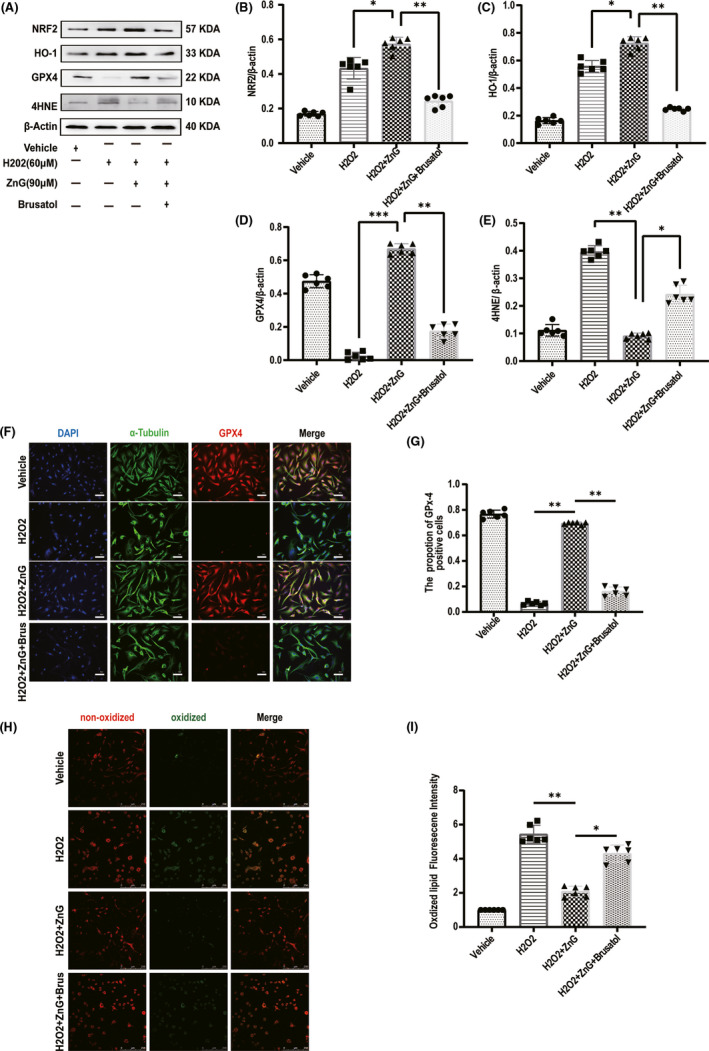
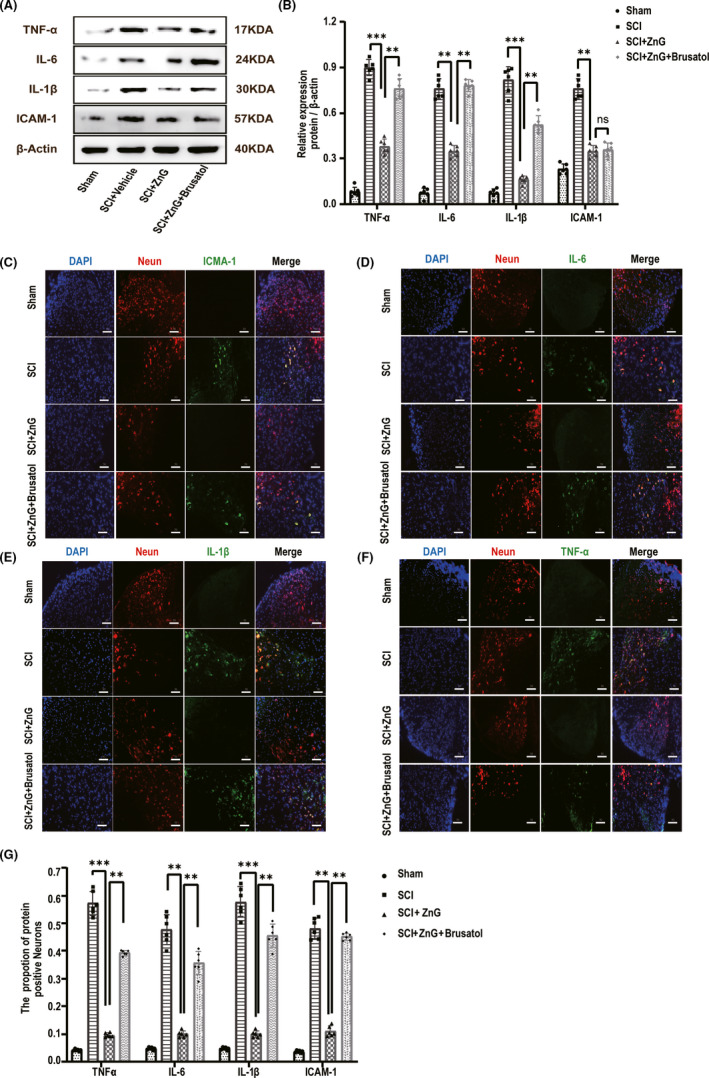
The Alice method was used to establish a spinal cord injury model. The Basso Mouse Scale (BMS), Nissl staining, hematoxylin-eosin staining, and immunofluorescence analysis were used to investigate the protective effect of zinc on neurons on spinal cord neurons and the recovery of motor function. The regulation of the nuclear factor E2/heme oxygenase-1 (NRF2/HO-1) pathway was assessed, the levels of essential ferroptosis proteins were measured, and the changes in mitochondria were confirmed by transmission electron microscopy and 5,5',6,6'-tetrachloro-1,1',3,3'-tetraethyl-imidacarbocyanine iodide (JC-1) staining. In vitro experiments using VSC4.1 (spinal cord anterior horn motor neuroma cell line), 4-hydroxynonenal (4HNE), reactive oxygen species (ROS), superoxide dismutase (SOD), malondialdehyde (MDA), glutathione (GSH), lipid peroxides, and finally the levels of inflammatory factors were detected to assess the effect of zinc.
Zinc reversed behavioral and structural changes after SCI. Zinc increased the expression of NRF2/HO-1, thereby increasing the content of glutathione peroxidase 4 (GPX4), SOD, and GHS and reducing the levels of lipid peroxides, MDA, and ROS. Zinc also rescued injured mitochondria and effectively reduced spinal cord injury and the levels of inflammatory factors, and the NRF2 inhibitor Brusatol reversed the effects of zinc.
Zinc promoted the degradation of oxidative stress products and lipid peroxides through the NRF2/HO-1 and GPX4 signaling pathways to inhibit ferroptosis in neurons.
脊髓损伤(SCI)涉及多个病理过程。已表明铁死亡在损伤过程中起关键作用。我们想探究锌是否能抑制铁死亡、减轻炎症,进而发挥神经保护作用。
采用艾丽斯法建立脊髓损伤模型。运用巴索小鼠评分(BMS)、尼氏染色、苏木精-伊红染色及免疫荧光分析,研究锌对脊髓神经元的保护作用及运动功能恢复情况。评估核因子E2/血红素加氧酶-1(NRF2/HO-1)通路的调节,检测关键铁死亡蛋白水平,通过透射电子显微镜和5,5',6,6'-四氯-1,1',3,3'-四乙基-碘化羰花青(JC-1)染色确认线粒体变化。使用VSC4.1(脊髓前角运动神经元瘤细胞系)进行体外实验,检测4-羟基壬烯醛(4HNE)、活性氧(ROS)、超氧化物歧化酶(SOD)、丙二醛(MDA)、谷胱甘肽(GSH)、脂质过氧化物,最后检测炎症因子水平以评估锌的作用。
锌逆转了脊髓损伤后的行为和结构变化。锌增加了NRF2/HO-1的表达,从而增加了谷胱甘肽过氧化物酶4(GPX4)、SOD和GHS的含量,降低了脂质过氧化物、MDA和ROS的水平。锌还挽救了受损的线粒体,有效减轻了脊髓损伤和炎症因子水平,且NRF2抑制剂布罗索尤单抗逆转了锌的作用。
锌通过NRF2/HO-1和GPX4信号通路促进氧化应激产物和脂质过氧化物的降解,以抑制神经元中的铁死亡。